Beyond beauty, what Visual Bite elements truly compel foodies to explore our recipes?
The Unseen Magnet: More Than Just Pretty Pictures
In the vibrant world of culinary content, stunning food photography is often lauded as the holy grail. We meticulously style dishes, adjust lighting, and compose shots to achieve visual perfection. Yet, while beauty certainly captures initial attention, it’s rarely the sole driver that compels a foodie to click, save, or even attempt a recipe. What hidden visual cues, often subconscious, truly resonate with an audience passionate about food? The answer lies in elements that tap into deeper desires: the promise of an experience, the whisper of a story, and the assurance of success.
The Sensory Invitation: Texture, Temperature, and Aroma
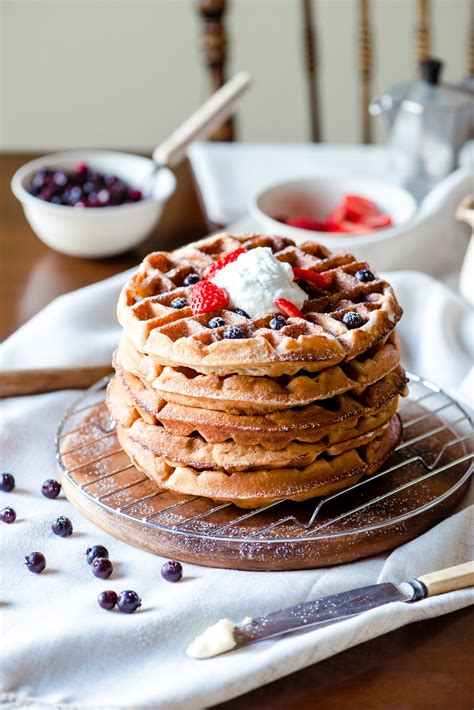
Food isn’t just seen; it’s tasted, smelled, and felt. A truly compelling visual bite translates these non-visual sensory experiences into something tangible on screen. Consider the crisp, golden crust of a perfectly baked bread, hinting at its satisfying crunch and fluffy interior. Or the molten cheese stretching tantalizingly from a warm sandwich, promising gooey indulgence. Steam rising from a freshly prepared dish conveys warmth and a comforting aroma. These aren’t just details; they are sensory invitations, activating the viewer’s imagination and almost allowing them to taste, smell, and feel the dish before they even begin to cook. Highlighting these textural and thermal cues makes the dish feel more real, more immediate, and utterly irresistible.
The Storyteller’s Lens: Authenticity and Narrative
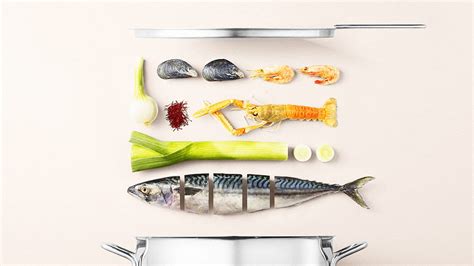
Beyond the technical perfection of a shot, visuals that tell a story foster a deeper connection. This could be a subtly rustic setting that evokes home cooking and comfort, or an imperfectly placed ingredient that suggests human touch and authenticity. Showing ingredients in their raw state alongside the finished product can build a narrative of transformation. A hand reaching into the frame, even a blurry one, can add a human element that speaks to shared experiences around food. Foodies are often seekers of stories, whether it’s the origin of an ingredient, the cultural context of a dish, or the simple joy of preparing a meal. Visuals that hint at these narratives, rather than just presenting a sterile perfection, create intrigue and invite exploration.

Achievability and Accessibility: Inspiring Confidence
A beautiful dish can be intimidating if it looks too complicated or unattainable. Truly compelling visuals also subtly communicate achievability. This isn’t about compromising on beauty, but about presenting it in a way that doesn’t overwhelm. For instance, a beautifully plated dish might still show a few ‘real’ crumbs or a less-than-perfect drizzle, suggesting that this level of deliciousness is within reach for the home cook. Ingredients laid out clearly in the background or a process shot that shows a key step can demystify a complex recipe. When foodies feel confident they can replicate a dish, their motivation to explore the recipe skyrockets. The visual message shifts from ‘look what I made’ to ‘look what *you* can make’.

Emotional Resonance: Nostalgia and Comfort
Finally, the most powerful visual bites tap into emotion. Certain colors, props, or even types of dishes can evoke feelings of nostalgia, comfort, celebration, or even adventure. A bowl of steaming soup on a cold day, a vibrant salad signaling freshness and health, or a decadent dessert promising pure joy – these visuals go beyond mere appeal to forge an emotional connection. This connection is often deeply personal and drives engagement by promising not just a meal, but a desired feeling or experience. Understanding the emotional landscape of your target audience allows you to craft visuals that speak directly to their hearts and stomachs, making them eager to dive into your recipes.
Cultivating Deeper Engagement
Moving beyond purely aesthetic considerations to integrate these deeper, compelling visual elements is crucial for truly resonating with foodies. By focusing on sensory invitation, narrative, achievability, and emotional resonance, our visual bites transform from static images into dynamic invitations. They become powerful tools that not only catch the eye but also stir the soul, driving curiosity, confidence, and ultimately, inspiring an eager exploration of our culinary creations.