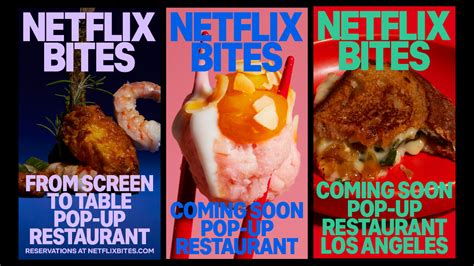
Beyond beauty, what “Visual Bites” detail sparks real foodie taste cravings?

The Science of Salivation: How Visuals Prime Our Palate
In the age of social media, food photography has ascended to an art form, captivating millions with its aesthetic allure. Yet, for the true foodie, a captivating image isn’t just about beauty; it’s about the visceral connection that bypasses the eyes and goes straight to the taste buds. We’re talking about those specific ‘visual bites’ details that don’t just look good, but actively make your mouth water and your stomach rumble with anticipation.
The human brain is wired to interpret visual cues as indicators of flavor, texture, and temperature. When we see food, our minds quickly process a myriad of subtle signals, subconsciously predicting the dining experience. It’s this powerful psychological link that transforms a mere picture into a craving catalyst, drawing us deeper into the culinary narrative.
Texture Talk: The Unspoken Language of Culinary Delight
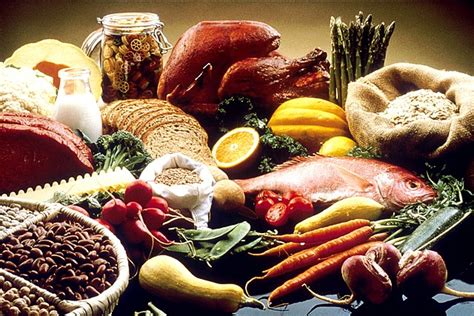
While color and composition provide the initial hook, it’s often the depiction of texture that truly ignites a foodie’s craving. Think about the glistening char on a perfectly grilled steak, suggesting a smoky crunch followed by tender succulence. Or the delicate flakiness of a croissant, promising buttery layers that melt in the mouth. These aren’t just pretty details; they’re direct transmissions to our sensory memory.
Consider the delicate balance between crisp and tender, gooey and firm. A perfectly golden-brown crust on a pie tells a story of caramelized sugars and flaky pastry. The oozing yolk of a poached egg hints at a rich, creamy texture. These visual cues for texture are paramount, as they directly inform our expectation of mouthfeel – a critical component of taste perception.
The Vivid Symphony of Color and Freshness
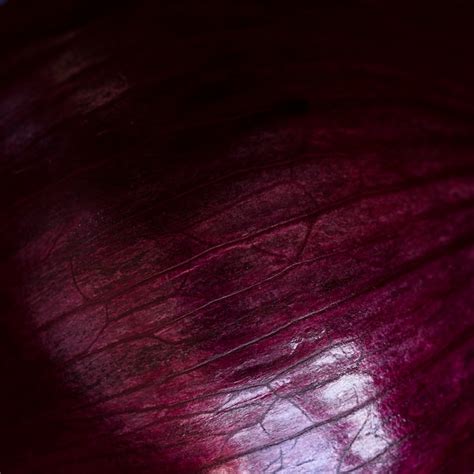
Beyond texture, the vibrancy and natural contrasts of colors play an instrumental role in sparking cravings. Bright, natural hues in fruits and vegetables instantly convey freshness and ripeness, implying a burst of flavor and essential nutrients. A dull, muted palette, conversely, might suggest staleness or a lack of zest.
The thoughtful use of contrasting colors—like the vivid green of fresh herbs against a rich, slow-cooked stew, or the crimson of ripe berries atop a creamy dessert—not only makes the dish visually appealing but also implies a complex interplay of flavors. These color contrasts speak to the quality of ingredients and the care in preparation, making the dish seem more enticing and palatable.
Mastering the Art of Implied Temperature and Aroma
A truly crave-worthy visual bite can even hint at temperature and aroma, stimulating senses beyond sight. Wisps of steam rising from a hot bowl of soup or a freshly baked bread evoke warmth and comfort, suggesting the perfect temperature for enjoyment. Conversely, droplets of condensation on a chilled glass or a frosty dessert convey refreshing coolness.
While aromas can’t be seen, certain visual cues can strongly imply them. A scattering of fragrant spices, a visible sprig of rosemary, or the gentle browning of garlic in oil can all trigger our imagination to ‘smell’ the dish. These subtle details transport us beyond the photograph, allowing us to mentally engage with the entire sensory experience.

The Unvarnished Truth: Authenticity and Imperfection
Sometimes, it’s not the flawless perfection but the authentic, slightly imperfect details that truly resonate with a foodie. A rustic smear of sauce, a perfectly placed crumb, or the handmade unevenness of fresh pasta can communicate a sense of craftsmanship, passion, and homemade goodness. These details suggest a story behind the food, a human touch that evokes warmth and authenticity.
This embrace of ‘realness’ over unattainable perfection makes the food feel more accessible and desirable. It tells us that this dish was lovingly prepared, perhaps with traditional methods, and is meant to be savored. These visual nudges towards authenticity are powerful craving generators, as they tap into our desire for genuine, heartfelt culinary experiences.
Conclusion: Beyond the Frame, Into the Palate
Ultimately, the power of a ‘visual bite’ to spark real foodie cravings lies in its ability to transcend mere imagery. It’s in the minute details—the interplay of texture, the vibrancy of color, the implied temperature, and the whisper of authenticity—that a photograph transforms into a multi-sensory invitation. These are the elements that don’t just show us food, but make us feel it, taste it, and yearn for it, proving that the most beautiful food photography is that which truly makes you hungry.