Beyond filters: How do real foodies make vibrant, healthy ingredients visually pop?
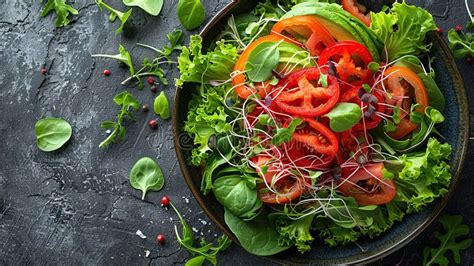
In an age dominated by social media feeds brimming with seemingly perfect culinary creations, it’s easy to assume that digital filters are the secret sauce. However, true food enthusiasts and culinary artists know that making vibrant, healthy ingredients visually pop is an art form rooted in technique, not just technology. This article delves into the tried-and-true methods real foodies employ to transform ordinary dishes into extraordinary visual feasts, celebrating the inherent beauty of fresh, wholesome ingredients.
The Magic of Natural Light: Your Best Friend
Forget complex lighting rigs; the most powerful tool in a foodie’s arsenal is often staring them right in the face: natural light. Soft, diffused daylight can instantly elevate your food photography, enhancing colors and textures in a way artificial lights often struggle to replicate. Position your dish near a window, ideally one that isn’t in direct sunlight, or use a sheer curtain to diffuse harsh rays. This gentle illumination brings out the true vibrancy of greens, reds, and oranges, making your ingredients look as fresh as they taste.
Understanding the direction of light is also key. Backlighting can create a beautiful halo effect, emphasizing translucence in liquids or delicate greens, while side lighting can highlight textures and add depth. Experiment with angles to see how light interacts with your specific ingredients.
Curating Ingredients: Color, Texture, and Freshness
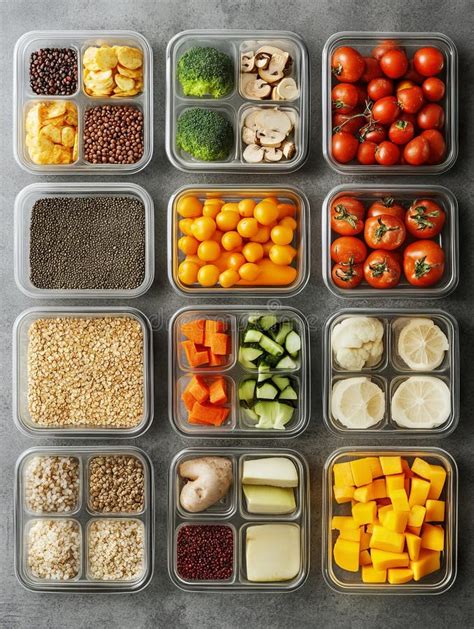
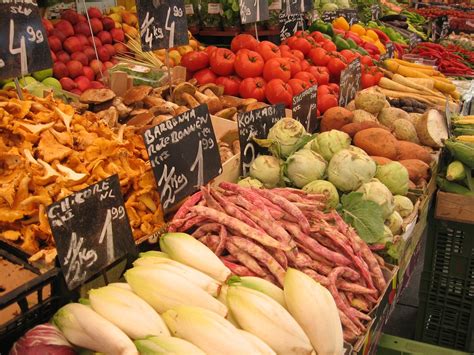
The journey to a visually stunning dish begins long before the camera comes out—it starts at the market. Real foodies meticulously select ingredients for their peak freshness, vibrant color, and interesting textures. Think about how a perfectly ripe avocado’s creamy green contrasts with ruby red cherry tomatoes, or how the crisp edges of a roasted vegetable can add visual interest. Bruised produce or dull-looking herbs simply won’t cut it when the goal is visual impact.
Preparation also plays a crucial role. A simple drizzle of olive oil can make vegetables gleam, while a quick blanch can intensify the color of greens. Consider how different cutting techniques can expose inner patterns or create appealing shapes. These small details aggregate to create a powerful visual statement.
Mastering Composition and Thoughtful Plating
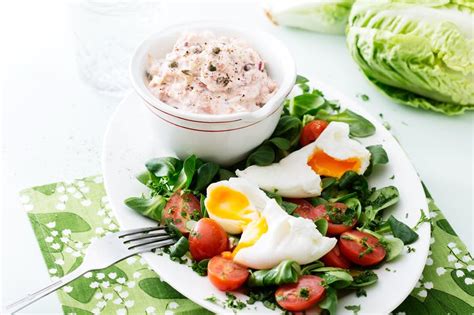
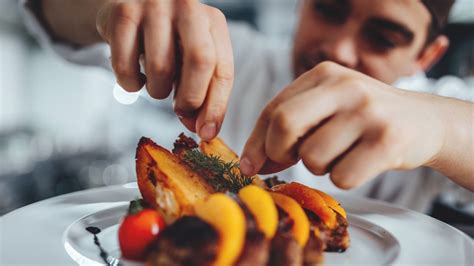
Once you have your star ingredients, how you arrange them on the plate is paramount. Good composition guides the viewer’s eye and tells a story. Avoid overcrowding the plate; instead, embrace negative space to let your key ingredients breathe and stand out. Principles like the ‘rule of thirds’ can be incredibly effective, placing your focal points off-center for a more dynamic and engaging look.
Color contrast is another powerful tool. A bright sprinkle of chopped chives over a creamy soup, or a scattering of pomegranate seeds on a dark grain bowl, can provide that ‘pop.’ Think in layers and textures: a smooth puree topped with crunchy nuts, or soft pasta adorned with crisp herbs. Each element should contribute to the overall aesthetic without overwhelming it.
Subtle Support: Props and Backgrounds

While the food itself should always be the star, carefully chosen props and backgrounds can enhance the narrative without distracting from it. Real foodies opt for simple, understated plates and bowls that complement the food’s colors and textures, rather than competing with them. Matte finishes, natural materials like wood or linen, and neutral color palettes often work best.
A rustic cutting board, a crumpled linen napkin, or a scattering of related raw ingredients (like a few whole spices or a sprig of herb) in the background can add context and depth, making the scene feel more authentic and inviting. The key is subtlety; every prop should serve a purpose and contribute to the overall mood of the image.
Practice Makes Perfect: The Journey Beyond Filters
Making healthy, vibrant ingredients visually pop is a skill honed through practice and keen observation. It’s about learning to see light, understanding color theory, and appreciating the natural beauty of food. By embracing natural light, selecting peak ingredients, mastering composition, and using thoughtful props, you can create stunning culinary visuals that speak for themselves, no filters required. So, step away from the digital enhancements and rediscover the authentic, unadulterated beauty of real food.