Beyond plating, what recipe tweaks create inherently photogenic dishes?
The Art of Cooking for the Camera
In today’s visually driven world, a dish’s appeal often begins long before it’s meticulously arranged on a plate. While expert plating is undoubtedly crucial, the foundation of an inherently photogenic meal lies in the recipe itself. By making deliberate tweaks to ingredients, cooking methods, and presentation elements within the recipe design, you can create dishes that are not just delicious, but visually irresistible from the get-go. Let’s explore how to bake visual appeal directly into your culinary creations.
Embrace a Spectrum of Natural Hues
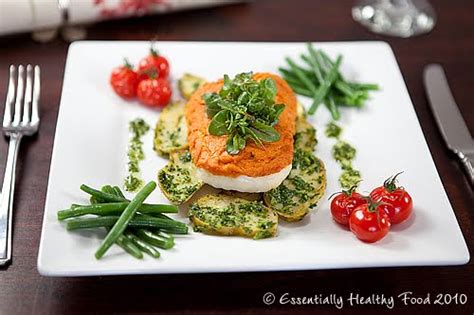
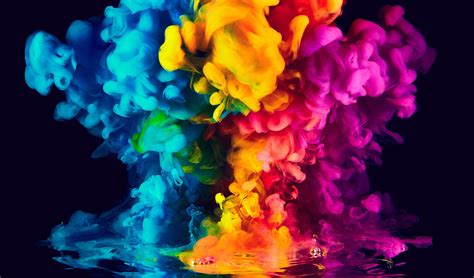
One of the most immediate ways to make food pop is through vibrant color. Think beyond a single hue; aim for contrast and diversity. Incorporating naturally colorful ingredients like bell peppers, berries, fresh herbs, or deeply roasted vegetables instantly adds visual interest. Consider how different colors interact – a bright green pesto against red cherry tomatoes, or golden roasted chicken beside purple sweet potatoes. Layering colors, whether in a salad or a composed dish, also creates depth.
Preserving Brilliance Through Technique
Cooking methods play a significant role in maintaining or enhancing color. Quick stir-fries or steaming can lock in the brightness of vegetables, while roasting brings out deep, earthy tones and attractive char marks. Be mindful of overcooking, which can dull colors and textures, making food appear less appetizing. A final squeeze of lemon juice or a sprinkle of fresh herbs can also brighten flavors and visuals.
Build Intrigue with Varied Textures and Heights
Flat, monochromatic food rarely excites the eye. Texture provides crucial dimension and invites closer inspection. Think about incorporating elements that offer a contrast in mouthfeel and appearance: crunchy nuts or croutons, creamy purees, crisp fried shallots, or tender roasted meats. These textural differences not only elevate the eating experience but also create visual layers and shadows that add depth to photographs.
Creating Visual Interest with Shapes and Forms
Beyond texture, consider the shapes and forms of your ingredients. Uniformly diced vegetables might be practical, but varying cuts – julienne, bâtonnet, rounds, or wedges – can add dynamic interest. Think about how a perfectly seared scallop contrasts with a delicate pea shoot, or the rustic appeal of torn bread versus uniform croutons. Don’t be afraid to leave some ingredients in their natural, irregular state for a more organic and inviting look.
The Power of Purposeful Garnishes
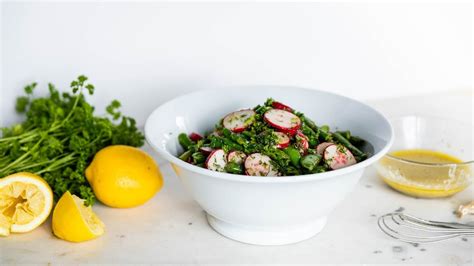
While technically a part of plating, many “garnishes” are best thought of as integral components of the recipe design. Fresh herbs (cilantro, parsley, basil, mint) are a go-to for adding a burst of green and a touch of freshness. A sprinkle of flaky sea salt, a grating of citrus zest, or a dusting of smoked paprika can add visual sparkle and depth. These aren’t just for show; they often contribute significantly to flavor, making them truly part of the dish’s identity.
Sauces, Glazes, and Drizzles for Shine and Definition
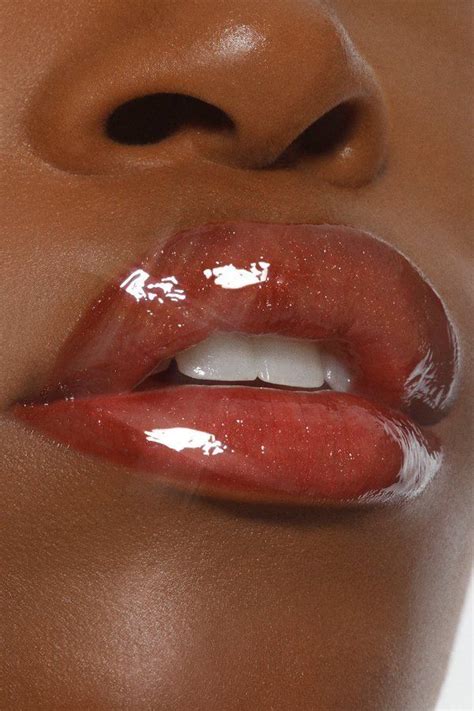
Sauces and glazes are unsung heroes of photogenic food. A reduction can create a rich, glossy sheen that catches the light beautifully, while a vibrant vinaigrette can pool attractively around components. A final drizzle of extra virgin olive oil or a swirl of crème fraîche can add luxuriousness and define the edges of other ingredients, making them stand out. Consider how a contrasting sauce can highlight the main components of a dish.
Choosing Ingredients for Their Camera-Readiness
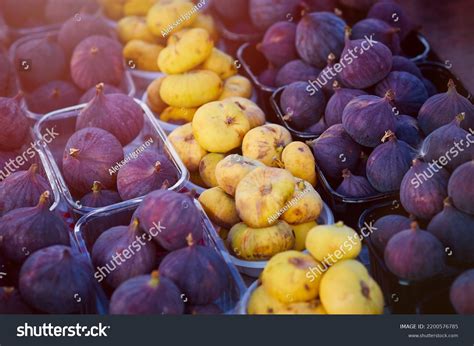
Sometimes, the key to a beautiful dish starts with the ingredients themselves. Opt for heirloom tomatoes over standard ones for their varied colors and irregular shapes. Choose artisanal breads with open crumbs and rustic crusts. Select produce that is fresh, unblemished, and vibrant. Even proteins can be chosen for their marbling or how they caramelize. This conscious selection ensures you’re starting with the best possible visual foundation.

Beyond the Plate: Designing for Delight
Ultimately, creating inherently photogenic dishes is about thoughtful recipe design. It’s about seeing your food not just as a sum of its flavors, but as a canvas of colors, textures, and forms. By integrating these visual considerations from the initial planning stages – choosing vibrant ingredients, employing color-preserving cooking techniques, building textural contrast, and incorporating purposeful garnishes – you empower your culinary creations to shine, long before any camera comes into play. Design with delight in mind, and your dishes will naturally be picture-perfect.