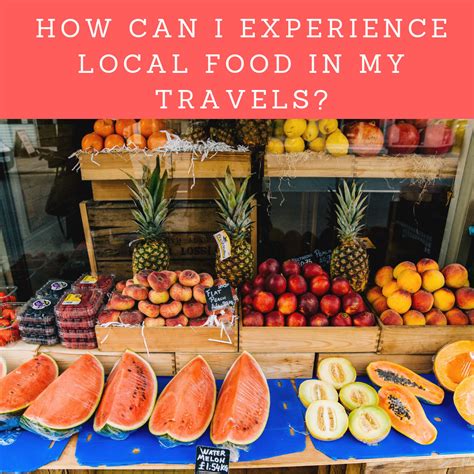
Beyond reviews: What visual cues signal a truly authentic foodie spot?
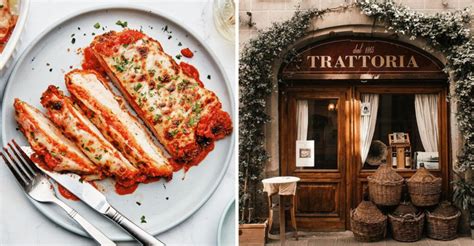
The Quest for Genuine Flavor: Beyond the Star Ratings
In an age dominated by online reviews and influencer recommendations, finding truly authentic foodie spots can feel like a gamble. Every establishment boasts five stars, and every dish is deemed ‘mouth-watering.’ But for the seasoned adventurer, the real treasures lie off the beaten digital path, often revealed not by glowing testimonials but by subtle visual cues. These are the tell-tale signs that whisper of tradition, passion, and genuine culinary prowess, long before you even taste the first bite.
So, how do you learn to read a restaurant, to discern the truly authentic from the merely trendy? It’s about training your eye to spot the non-verbal signals that speak volumes about a place’s soul and its commitment to real food.
The Local Clientele: Your First Indicator
One of the most immediate and reliable visual cues is the demographic of the diners themselves. If a restaurant is bustling primarily with locals – especially those who seem to know the staff, converse in the local language, and are comfortably enjoying their meals – you’re likely onto something special. Tourists are great, but locals are the ultimate endorsement, as they have an intimate knowledge of what good food in their region truly means. Look for families, elderly couples, or groups of friends who are clearly regulars.

Unpretentious Decor and Enduring Character
Authentic spots often prioritize substance over style. While cleanliness is paramount, don’t expect lavish interiors or sleek, minimalist designs. Instead, look for decor that feels lived-in, perhaps a little worn, and clearly accumulated over time rather than designed overnight. This might include mismatched chairs, faded murals, or a charming clutter that tells a story. A place that has stood the test of time often shows it through its enduring, unpretentious character rather than its pursuit of fleeting trends.
The Menu: Simplicity, Specialization, and Personality
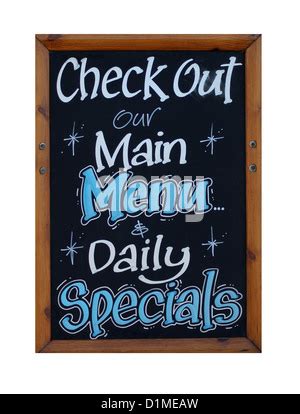
The menu itself can be a goldmine of information. Truly authentic places often have shorter, more focused menus, specializing in a few dishes done exceptionally well. Handwritten menus, daily specials scrawled on a whiteboard, or a menu solely in the local language (with perhaps a few English translations hastily added) are all good signs. This suggests a kitchen that sources fresh, seasonal ingredients and isn’t trying to be everything to everyone. Overly long menus with dozens of international dishes can sometimes be a red flag.
Visual Evidence of Freshness and Preparation
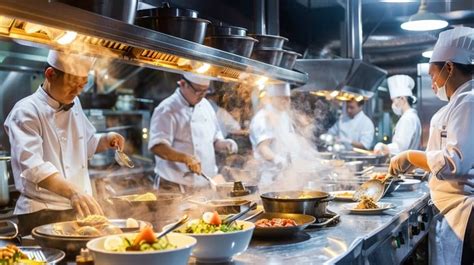
Pay attention to what you can see before your food arrives. Does the restaurant have an open kitchen where you can watch the chefs at work? Are fresh ingredients – vibrant produce, whole fish, or cuts of meat – visibly displayed? A transparent kitchen operation, even if it’s just a glimpse through a doorway, suggests pride in preparation. The presence of a tandoor oven, a pasta-making station, or a vibrant spice rack, all in plain sight, can be strong indicators of genuine, in-house cooking.

The Buzz of the Kitchen and the Staff’s Focus
Listen and observe the energy of the place. A truly authentic spot often has a palpable buzz – the rhythmic clatter of pans, the sizzle of cooking, and the animated but focused communication among the kitchen staff. The front-of-house staff, while friendly, might be less polished than in fine dining, but their knowledge of the menu and their genuine enthusiasm for the food often shine through. They are often quick, efficient, and deeply proud of what they serve.
Beyond the Plate: The Little Details
Finally, look at the finished dishes as they emerge from the kitchen. Are they rustic and hearty, or artfully plated? While presentation varies by cuisine, truly authentic dishes often have an honest, inviting appearance that prioritizes flavor and substance. Also, notice the details: the quality of the bread basket, the house-made sauces, or the unique local condiments on the table. These small touches speak volumes about a restaurant’s dedication to its craft and its roots.

Trust Your Eyes, Trust Your Gut
In the end, finding authentic foodie spots is an art that blends observation with intuition. While online reviews have their place, the most memorable culinary experiences often come from places discovered through personal exploration and an acute awareness of your surroundings. By learning to decipher these visual cues, you’ll not only uncover hidden gems but also develop a deeper appreciation for the rich tapestry of global food culture, one genuinely authentic bite at a time.