Beyond reviews: What visual cues signal authentic local eats for foodies on adventures?

The Hunt for Genuine Flavor: Beyond the Star Ratings
In an age dominated by glowing five-star reviews and curated Instagram feeds, the quest for truly authentic local eats can feel like navigating a minefield of tourist traps. While online platforms offer a convenient starting point, they often highlight places that have successfully marketed themselves, not necessarily the establishments cherished by locals for generations. For the intrepid foodie, the real adventure begins when you look beyond the screen and start trusting your eyes.
This article delves into the subtle yet powerful visual cues that signal a genuine culinary experience, helping you unearth those hidden gems that offer a true taste of a destination’s culture and tradition.
Why Visual Cues Are Your Ultimate Compass
Think of visual cues as an unspoken language, a set of signals that the most authentic eateries inherently emit. These aren’t just about aesthetics; they are reflections of the establishment’s priorities, its history, and its relationship with the local community. By learning to ‘read’ these signs, you empower yourself to bypass the generic and discover the soul of a place through its food.
Decoding the Visual Language of Authenticity
1. The Crowd: A Local Barometer
The most telling visual cue is often the clientele itself. Are the tables filled with locals, conversing in their native tongue, perhaps even sharing dishes family-style? Or do you predominantly see tourists consulting guidebooks and snapping photos of every plate? A restaurant brimming with local patrons is a strong indicator that it serves food that resonates with the community’s palate and offers value that keeps them coming back.
2. The Menu: Simplicity Speaks Volumes
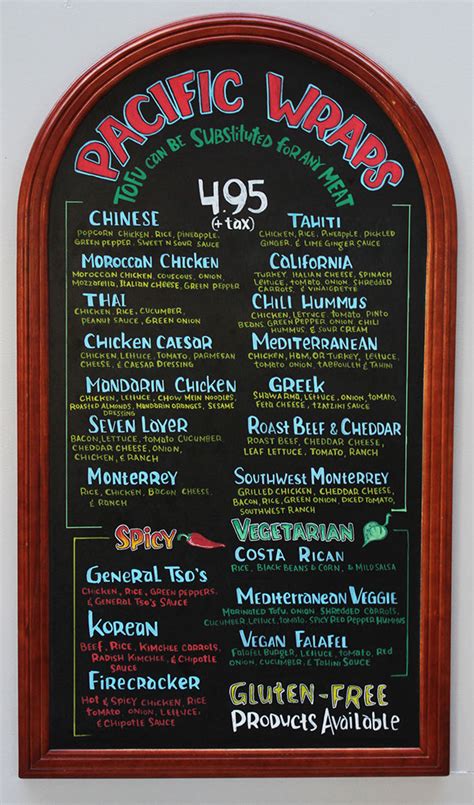
An overly polished, multi-language menu with glossy photos can sometimes be a red flag. Authentic local eateries often feature simpler, perhaps even handwritten or laminated menus. Look for:
- Local Language First: If the primary language is local, with smaller English translations (or none at all!), it’s a good sign.
- Limited, Focused Options: A shorter menu often means a kitchen that specializes in a few dishes, perfecting them over time.
- No Excessive Photos: If every item has a professional photo, it might be catering to a less adventurous, more visually dependent tourist crowd.
3. The Ambiance: Worn Charm Over Polished Pretense
Authenticity rarely comes with perfectly coordinated decor or an overtly ‘Instagrammable’ interior. Instead, look for signs of a place that has evolved organically:
- Worn-in Furniture: Chairs and tables that show signs of long-term use, perhaps a little chipped or faded, suggest a long-standing establishment.
- Local Art & Artifacts: Murals, photographs, or decorative items that genuinely reflect the local culture, rather than generic ‘ethnic’ decor.
- A Lived-in Feel: A slightly cluttered, unpretentious atmosphere often indicates a focus on food and community over aesthetic perfection.
4. The Food Presentation: Tradition Over Trends
While culinary artistry is appreciated, truly authentic local dishes often prioritize flavor and tradition over elaborate plating. Expect:
- Rustic Charm: Food served in traditional crockery, sometimes without much garnish, allowing the ingredients and preparation to speak for themselves.
- Generous Portions: Often a sign of hearty, home-style cooking designed to satisfy, not just impress visually.
5. The Kitchen & Ingredients: Transparency and Freshness
If you can catch a glimpse into the kitchen or the prep area, observe the following:
- Open Kitchens: A transparent kitchen where you can see chefs at work can be a good sign of confidence in their hygiene and methods.
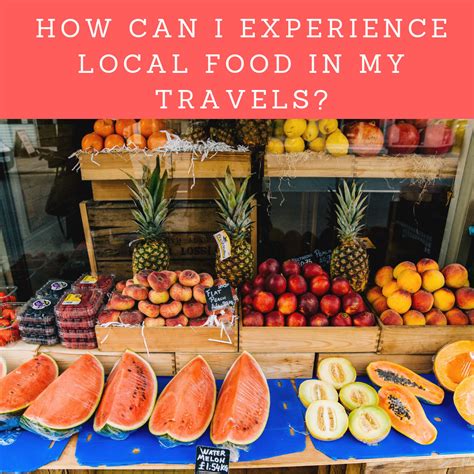
- Fresh Ingredients on Display: Baskets of fresh produce, vibrant spices, or freshly caught seafood proudly displayed indicate a commitment to quality and seasonality.
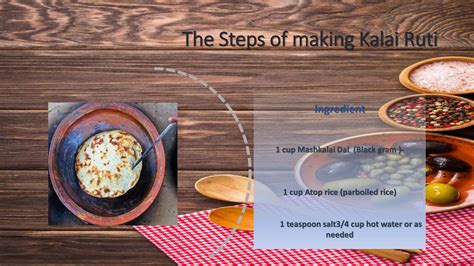
- Active Prep: Seeing ingredients being chopped, kneaded, or cooked from scratch rather than just heated up.
6. The Location: Tucked Away Treasures
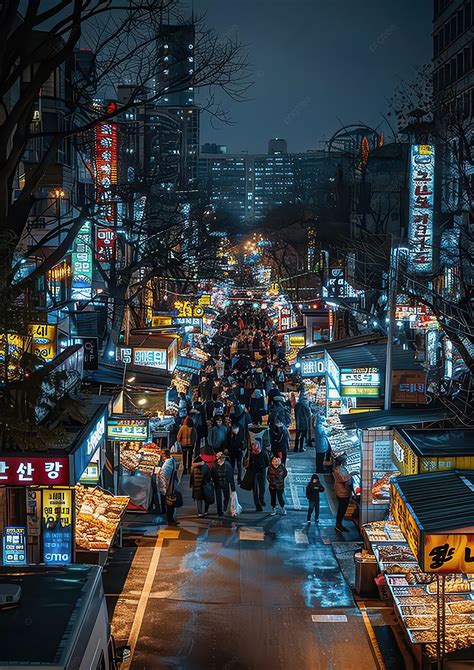
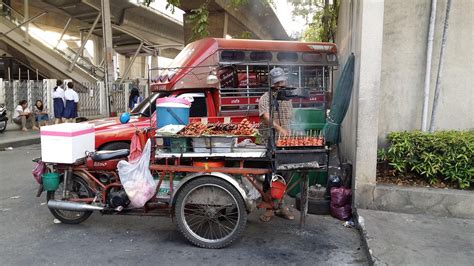
Often, the best local eats are not found on the main tourist thoroughfares. Venture down side streets, into bustling markets, or into residential neighborhoods. A humble storefront, perhaps with an old, faded sign, can often house culinary gold. Places that aren’t easily visible to casual passersby often rely on word-of-mouth and repeat local customers, a testament to their genuine appeal.
Trusting Your Culinary Intuition
Ultimately, the art of finding authentic local eats is a blend of observation and intuition. It’s about being present, engaging your senses beyond just sight (smell the aromas, listen to the chatter!), and embracing a little risk. Sometimes, the best meals are found in the most unassuming places, where the warmth of the hospitality and the depth of the flavors leave an indelible mark far greater than any online review could convey.

So, on your next adventure, put away your phone, open your eyes, and let the visual cues guide you to a truly unforgettable culinary experience. The taste of genuine local culture awaits!