Beyond taste, how do chefs make food look so delicious for photos?

In an age dominated by visual media, a dish’s appeal often extends far beyond its aroma and flavor. For chefs, making food look as good as it tastes – especially for photography – has become an essential skill. It’s an intricate dance of color, texture, and composition, turning a mere meal into a feast for the eyes. But what are the secret ingredients in a chef’s visual toolbox?
The Art of Plating: Composition and Balance
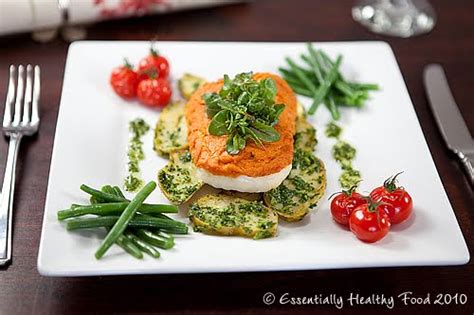
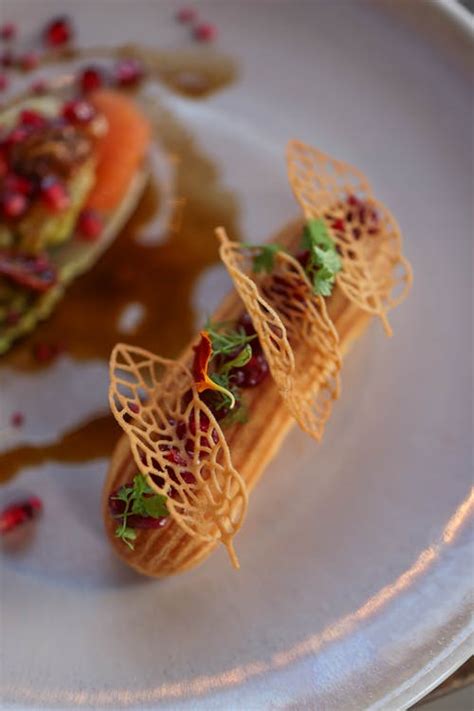
The foundation of a visually stunning dish lies in thoughtful plating. Chefs don’t just dollop food onto a plate; they meticulously arrange each component with purpose. This often involves creating a focal point, using negative space to draw the eye, and applying principles like the ‘rule of thirds’ or arranging elements in odd numbers (e.g., three scallops, five asparagus spears) for a more dynamic and less symmetrical feel. Height is also crucial, adding a sculptural quality to the dish, often achieved with purées, stacked components, or carefully placed garnishes.
Mastering Color and Contrast
Color is perhaps the most immediate visual cue for deliciousness. Chefs are masters at using natural colors to their advantage, ensuring a vibrant palette that excites the senses. This means selecting ingredients for their hues and often incorporating contrasting colors to make individual components pop. A bright red berry against a creamy white sauce, or a vivid green herb on a rich brown steak, can elevate a dish from appealing to utterly captivating. Edible flowers and microgreens are often used to introduce subtle pops of color and delicate textures.
Texture and Freshness: Inviting the Eye
While often associated with mouthfeel, texture plays a significant role in visual appeal. A glistening sauce, crispy skin, tender meat, or crunchy garnish all communicate a promise of diverse sensations. Chefs pay close attention to highlighting these textures. This might involve searing proteins to achieve a beautiful crust, gently blanching vegetables to retain their vibrant snap, or carefully draping a delicate glaze to catch the light. The perception of freshness is also paramount, achieved by using the brightest, most unblemished ingredients and adding them at the last possible moment.

The Magic of Lighting
Even the most perfectly plated dish can fall flat without the right lighting. Professional food photographers often use complex lighting setups, but chefs understand the fundamentals. Natural light, particularly soft, diffused light from a window, is often preferred for its ability to illuminate food without creating harsh shadows or washing out colors. Side-lighting or back-lighting can enhance textures and create a beautiful halo effect around the food, making it look more inviting and three-dimensional.

Strategic Garnishes and Finishing Touches
Garnishes are not just an afterthought; they are integral to a dish’s visual completion. A chef will choose garnishes that complement the main ingredients in both flavor and aesthetics. A drizzle of high-quality olive oil, a sprinkle of flaky sea salt, a grating of fresh zest, or a few artfully placed micro-herbs can add a critical layer of visual interest, shine, and depth. These finishing touches are applied with precision, often just before the photo is taken, to ensure peak freshness and vibrancy.
Less is More: Background and Props
While the focus is on the food, the background and props play a supporting role. Chefs often opt for minimalist backgrounds – simple plates, neutral-colored surfaces, or rustic textures – that don’t distract from the main subject. Props, if used, are chosen carefully to tell a story or add context without overpowering the dish. A linen napkin, a strategically placed utensil, or a small sprig of herbs can subtly enhance the scene, making the food the undeniable star of the shot.

Ultimately, making food look delicious for photos is an extension of a chef’s culinary artistry. It requires an understanding of aesthetics, a keen eye for detail, and a commitment to presenting food in its most appealing form. By mastering plating, color, texture, lighting, and thoughtful garnishing, chefs ensure that their creations not only tantalize the taste buds but also captivate the gaze, making every photograph a testament to their skill and passion.