Beyond taste, how do visual plating techniques elevate home cooking?
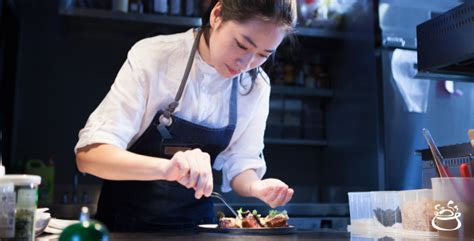
While the aroma and taste of a home-cooked meal are paramount, there’s an often-underestimated element that profoundly impacts our dining experience: its visual appeal. Before the first bite, our eyes consume the dish, setting expectations and influencing our perception of flavor. Mastering a few basic plating techniques can elevate your home cooking from merely delicious to truly memorable, turning ordinary meals into culinary masterpieces.
The Power of the Eye: Why Plating Matters
Our brains are wired to associate attractive food with freshness, quality, and care. When a dish is presented beautifully, it triggers a sense of anticipation and pleasure even before we taste it. This initial visual impression can significantly enhance our appetite and overall enjoyment, making the meal feel more special and intentional.
Beyond mere aesthetics, thoughtful plating communicates effort and passion. It shows that you’ve considered every aspect of the dining experience, transforming a simple act of eating into a delightful sensory journey. For home cooks, this means impressing family and guests, making even weeknight dinners feel like a gourmet occasion.
Foundational Principles of Visual Plating
1. Color and Contrast
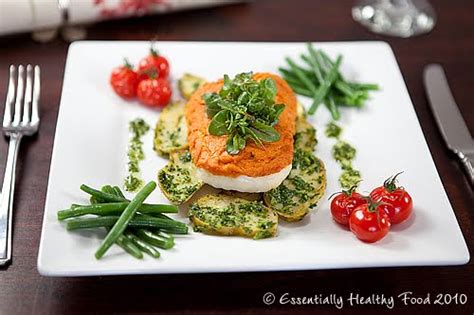
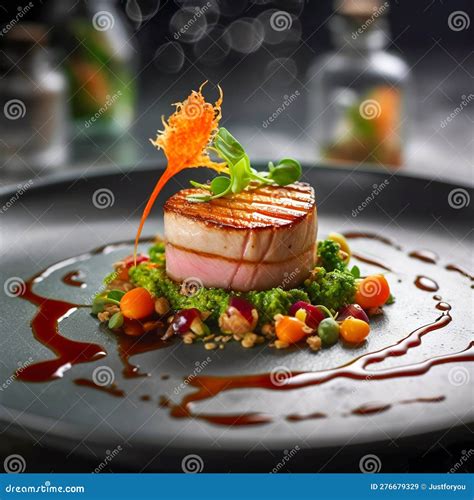
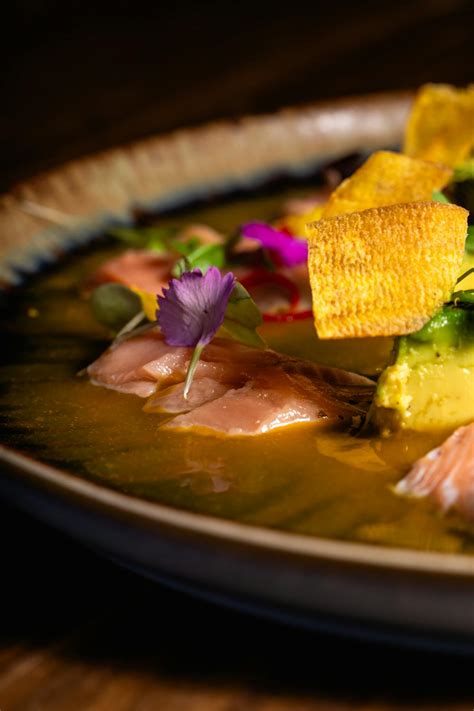
A vibrant plate is an appealing plate. Think about the natural colors of your ingredients and how they complement or contrast each other. Aim for a variety of hues – greens from herbs, reds from tomatoes, yellows from citrus, or browns from roasted meats. Using a neutral background, like a white plate, often allows these colors to pop, making the dish more dynamic and inviting.
2. Texture and Variety
Monotonous textures can make a dish less interesting. Incorporate different textures to add dimension and intrigue. This could mean pairing creamy mashed potatoes with crispy roasted vegetables, or a smooth purée with crunchy croutons. A mix of soft, firm, crisp, and tender elements creates a more engaging mouthfeel and visual appeal.

3. Thoughtful Arrangement and Composition
How you arrange components on the plate is crucial. The “rule of thirds” (imagining your plate divided into nine sections and placing key elements along the lines or intersections) can help create balance and a natural focal point. Think about building height with certain ingredients, or creating leading lines with sauces or vegetable strips to guide the eye across the plate.
Don’t overcrowd the plate. Leave some “negative space” – the empty areas around your food – as it gives the dish a more sophisticated, uncluttered look and allows each component to stand out. Consider stacking or layering ingredients for visual interest and to create a sense of abundance without excess.
4. The Art of Garnishing
Garnishes are the final flourish that can bring a plate to life. A sprig of fresh parsley, cilantro, or rosemary; a drizzle of olive oil, balsamic glaze, or a contrasting sauce; a sprinkle of toasted nuts, sesame seeds, or freshly ground pepper – these small additions can add color, texture, and aroma. Just ensure your garnish is edible and complements the dish’s flavor profile.
Practical Tips for the Home Cook
You don’t need to be a Michelin-star chef to plate beautifully. Start by using simple, classic white or off-white plates – they act as a clean canvas. Always wipe the rim of the plate clean with a damp cloth or paper towel before serving to remove any smudges or drips. This small detail makes a big difference.
Portion control is key. Don’t overload the plate; it makes everything look messy. Instead, serve appropriate portions that allow each element to breathe. Consider using small bowls or ramekins for sauces or side components to keep the main plate tidy and structured.

Elevating Everyday Dishes
Even the simplest meals can benefit from thoughtful plating. A bowl of pasta can be twirled into an elegant mound with a sprinkle of cheese and fresh basil. Roasted vegetables can be arranged in a colorful pattern rather than just piled. Desserts, too, can be transformed with a dusting of cocoa, a berry coulis, or a scattering of fresh fruit.
Practice makes perfect. Experiment with different arrangements, garnishes, and plate layouts. Take inspiration from restaurant meals or food blogs. Over time, you’ll develop an intuitive sense for what looks good and what best showcases your culinary creations.

In the realm of home cooking, presentation is truly an extension of your hospitality and creativity. By paying attention to visual plating, you’re not just serving food; you’re crafting an experience that engages all the senses, making every meal more enjoyable and memorable for everyone at your table.