Beyond taste, how to visually plate vibrant dishes for photo-worthy appeal?
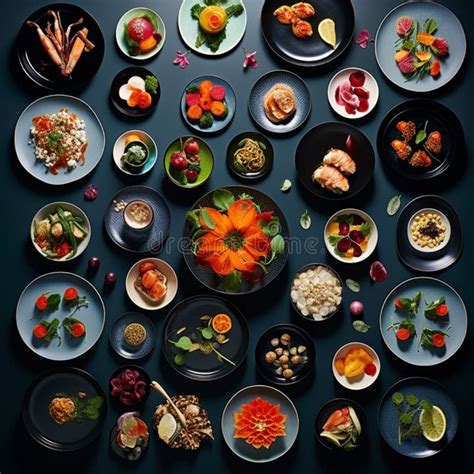
In today’s visually-driven world, a dish’s appeal extends far beyond its taste. The way food is presented can elevate a simple meal to a gourmet experience, making it irresistible for both the diner and the camera. Mastering the art of plating is a skill that every home cook can cultivate, turning everyday ingredients into vibrant, photo-worthy masterpieces.
The Foundation: Choosing Your Canvas
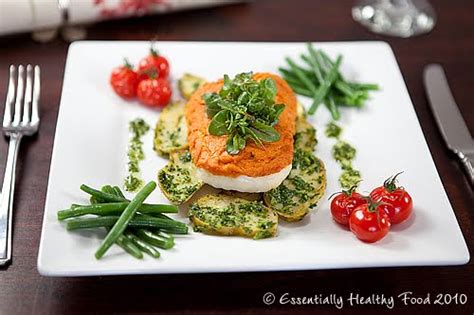
Before you even think about placing food, consider your plate. The choice of plate can dramatically impact how your dish is perceived. Opt for plain white or neutral-colored plates; they act as a blank canvas, allowing the colors of your food to truly pop. Square plates offer a modern aesthetic, while round plates provide a classic, softer look. Consider the size as well; leaving some negative space around your food can make the presentation feel more sophisticated and less cluttered.
Color and Contrast: The Eye-Catching Duo
Color is perhaps the most immediate visual cue. A vibrant dish is inherently more appealing. Think about how to incorporate a spectrum of colors naturally into your meal. If your main component is monochromatic, introduce contrasting colors through garnishes like fresh herbs, colorful vegetables, or fruit purees. Contrast isn’t just about color; it also applies to brightness. A bright sauce against a darker protein, or vice versa, creates visual interest and definition.
Form and Texture: Adding Dimension
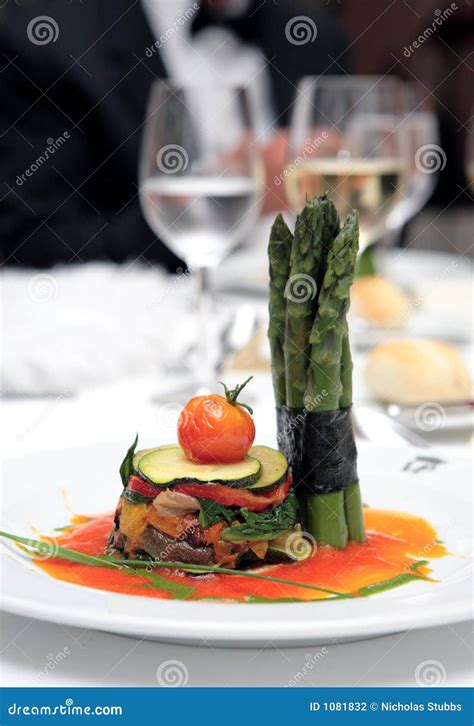
A flat dish is rarely as exciting as one with varying heights and textures. Think about how to create dimension. Stacking components, such as a protein atop a bed of grains or vegetables, adds height. Consider different textures within a single dish – a crunchy element (like toasted nuts or crispy fried onions) against something creamy (a purée or sauce) adds both visual and textural interest. Using molds or rings can help create perfect shapes, giving your dish a professional edge.
The Rule of Thirds and Negative Space
Apply principles from photography to your plating. The ‘rule of thirds’ suggests placing your main elements off-center, creating a more dynamic and engaging composition. Imagine a tic-tac-toe grid on your plate and place key ingredients at the intersections. Equally important is negative space – the empty areas on your plate. Don’t feel the need to fill every inch. Strategic negative space helps highlight your main components and gives the dish a sense of elegance and intention.
Garnish with Purpose, Not Just for Show
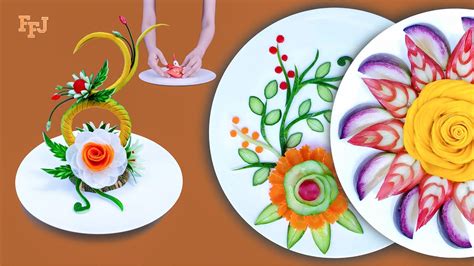
Garnishes are the final touch, but they should serve a purpose beyond mere decoration. Fresh herbs like parsley, cilantro, or chives add color, freshness, and aroma. A drizzle of a contrasting sauce or a sprinkle of spices can add both visual flair and flavor complexity. Ensure your garnishes are edible, relevant to the dish’s flavors, and perfectly placed. Less is often more; a few well-chosen garnishes are far more effective than an overwhelming amount.
Practicing Your Plating Skills
Like any art form, plating requires practice. Start by observing how restaurants plate their dishes or browse food photography online for inspiration. Experiment with different arrangements, sauces, and garnishes. Don’t be afraid to try new techniques and find what works best for your style and the food you’re preparing. With a little creativity and attention to detail, you’ll soon be transforming your meals into visually stunning culinary works of art, ready for their close-up.