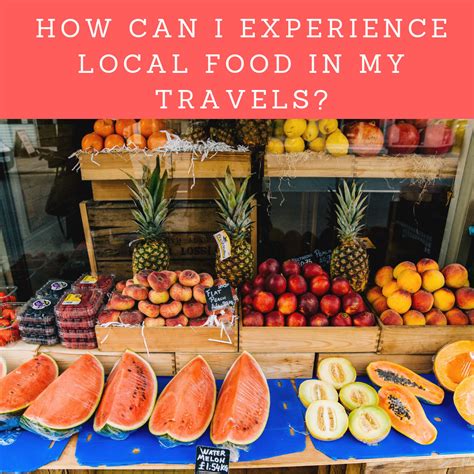
Beyond tourist traps: How do you find visually stunning, authentic local food gems?

Every traveler dreams of that perfect meal – a dish so authentic, so vibrant, it tells a story of the place and its people. Yet, all too often, we find ourselves ensnared in tourist traps, serving up bland, overpriced imitations of local cuisine. The quest for visually stunning, truly authentic local food gems is a pursuit that demands a strategic approach, a dash of daring, and an open mind. This guide will help you navigate past the obvious and into the heart of a destination’s culinary soul.
The Allure of the Authentic Plate
Authentic local food isn’t just about satisfying hunger; it’s a gateway to understanding a culture. The flavors, the ingredients, the cooking methods – each element offers insight into history, climate, and local traditions. Beyond taste, the visual appeal of these dishes, from vibrant street food stalls to beautifully plated regional specialties, adds another layer to the experience, making them perfect fodder for cherished memories and captivating travel stories.
Digital Digging: Smart Research Before You Arrive
While guidebooks offer a good starting point, the true gems are rarely found on their glossy pages. Modern food discovery begins online, but with a nuanced approach.
Beyond the Obvious Search Results
- Local Blogs and Forums: Dive into food blogs written by locals or expats living in the city. Search for forums like Reddit (e.g., r/travel or city-specific subreddits) where genuine recommendations are often exchanged.
- Instagram Hashtags: Use Instagram not just for inspiration, but as a discovery tool. Search hashtags like #localfood[city], #[city]eats, #streetfood[city], or even specific dish names. Pay attention to user-generated content from accounts that seem to belong to locals, rather than just popular tourist influencers. Look for consistent posts from the same place over time.
- Google Maps Deep Dive: When using Google Maps, don’t just search for “restaurants.” Zoom in on residential areas and look for small, unassuming eateries. Check their photos and reviews, prioritizing those written in the local language, as they often come from locals.

Tapping Into Local Wisdom on the Ground
Once you’ve arrived, the most invaluable resource is the people who live there. However, knowing who and how to ask is key.
- Hotel Staff & Taxi Drivers: Instead of asking, “Where’s a good place to eat?” try, “Where do you go for dinner when you want good [type of cuisine]?” or “Where do locals eat [specific local dish]?” This frames the question to elicit personal, authentic recommendations rather than tourist-friendly suggestions.
- Shopkeepers & Baristas: People working in non-tourist-facing roles (e.g., local grocery stores, independent coffee shops) often have great insights into the neighborhood’s culinary scene. A friendly chat can yield unexpected treasures.
- Small, Local Food Tours: While some food tours can be touristy, seek out small, independent operators who focus on street food or neighborhood-specific experiences. These can be excellent introductions to local ingredients and hidden eateries, and your guide will be a wealth of information.
Mastering the Art of Observation
Sometimes, the best food discoveries happen by simply paying attention to your surroundings.
- Follow the Locals: This is a golden rule. If you see a long line of locals queuing up, especially during peak meal times, it’s a strong indicator of quality and authenticity.
- Avoid the Obvious Tourist Traps: Be wary of establishments with multi-language menus prominently displayed outside, aggressive touts trying to usher you in, or pictures of every dish (unless it’s a local street food stall where visual communication is necessary). These are often signals that the place caters primarily to tourists.
- Look for Simplicity: Often, the most authentic and delicious food comes from humble, no-frills establishments that focus solely on their craft, rather than elaborate decor.

Embrace the Visual Feast (and the Unknown)
Don’t be afraid to step outside your comfort zone. The most visually stunning and memorable meals often come from unexpected places.
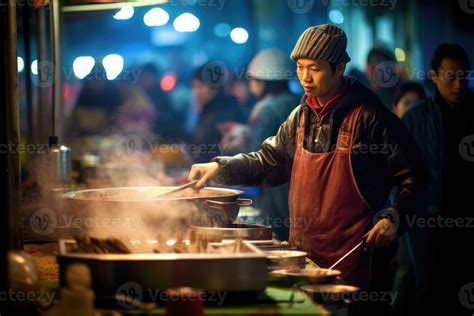
- Street Food Adventures: Many cultures boast incredible street food scenes. These stalls are often visually captivating, with vibrant colors, sizzling woks, and expertly prepared dishes right before your eyes. Don’t let perceived hygiene concerns deter you; observe where locals eat and prioritize busy stalls with high turnover.
- Point and Smile: Language barriers are no match for a friendly attitude. If you see a dish that looks amazing, point to it, smile, and trust that you’re about to have a delicious experience. Translation apps can also be incredibly helpful for deciphering menus or asking basic questions about ingredients.
- Be Open to Serendipity: Some of the best food discoveries happen when you wander off the main drag and stumble upon a bustling eatery tucked away on a side street. Let your senses guide you – the aroma of spices, the sound of lively chatter, the sight of happy diners.

Conclusion
Finding visually stunning, authentic local food gems is more than just eating; it’s an immersive cultural adventure. By combining smart digital research, engaging with locals, keen observation, and a willingness to explore, you can unlock a world of culinary delights that will enrich your travels and leave you with unforgettable tastes and stories. So, ditch the tourist traps, embrace the unknown, and prepare to embark on a truly delicious journey.