Beyond tourist traps: How to find visually stunning, authentic local food?

The Quest for True Flavors: Ditching the Tourist Traps
In a world increasingly globalized, the allure of truly authentic local food remains a powerful draw for travelers. Yet, the path to these culinary treasures is often obscured by tourist traps – restaurants designed to cater to foreign palates with inflated prices and uninspired dishes. Finding visually stunning, authentic local food isn’t just about satisfying hunger; it’s about experiencing a culture through its most fundamental expression. It requires a blend of research, intuition, and a willingness to step off the well-worn path.
Pre-Trip Prowess: Research Beyond the Guidebook
Your journey to authentic eats begins long before you pack your bags. While popular travel guides might list a few renowned establishments, truly local spots often fly under their radar. Here’s how to dig deeper:
- Blogs and Forums: Seek out expat blogs, local food forums, and niche travel communities. These often provide insider tips from people living in the destination.
- Social Media Deep Dive: Use Instagram and TikTok’s location features. Search hashtags like #[City]food or #[City]eats, but also local language equivalents. Look for posts from locals, not just other tourists. Pay attention to the visual appeal and consistency in reviews.
- Food Documentaries and Shows: Watch local food shows or documentaries set in your destination. They often highlight family-run businesses and traditional preparation methods.

On the Ground: Engage, Explore, Observe
Once you arrive, your detective skills come into play. Direct interaction and keen observation are your best tools for uncovering gastronomic gems.
Ask the Right People
Don’t just ask your hotel concierge, who might have commercial affiliations. Instead, engage with:
- Local Shopkeepers: The owner of a small convenience store, a barber, or a market vendor often knows the best spots for their lunch.
- Taxi/Ride-Share Drivers: Many drivers spend their days traversing the city and often have favorite haunts for quick, delicious meals.
- Students and Young Professionals: These groups often seek out affordable, high-quality food and are well-connected to local trends.

Venturing Off the Main Drag
Tourist areas are designed for convenience, not authenticity. Wander into residential neighborhoods, side streets, and areas around local universities or business districts during lunch hours. Look for:
- Crowds of Locals: A bustling eatery, especially with a queue of local patrons, is almost always a good sign.
- Simple Signage and Decor: Often, the most authentic places prioritize food quality over elaborate branding.
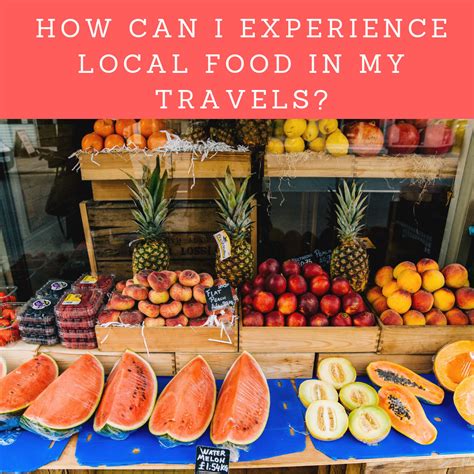
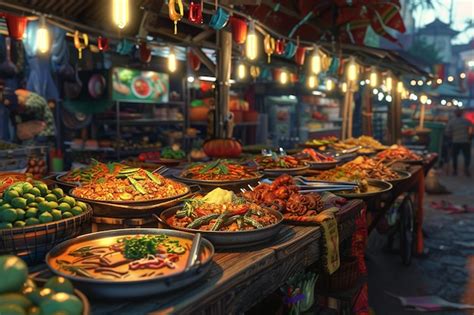
- Market Stalls: Local markets are a feast for the senses, offering fresh produce and often prepared foods. Don’t be shy about sampling!

Trust Your Senses: The Visual and Aromatic Cues
Beyond recommendations, your senses are invaluable. The visual appeal isn’t just about presentation on a plate; it’s about the vibrant colors of fresh ingredients, the meticulousness of preparation, and the overall atmosphere. An authentic dish will often reflect regional pride in its ingredients and presentation.
- Aroma: Let your nose guide you. Distinctive, appealing smells wafting from an eatery are a strong indicator of delicious food.
- Freshness: Observe the ingredients. Are they vibrant, fresh, and seasonally appropriate?
- Cleanliness: While some street food stalls might look rustic, a basic level of cleanliness in preparation and serving areas is crucial.
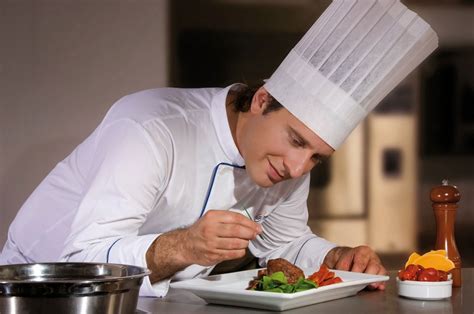
- Open Kitchens: If you can see the chefs at work, it’s often a sign of transparency and pride in their craft.
Embrace the Experience, Savor the Story
Finding visually stunning, authentic local food is more than just a hunt for a meal; it’s an immersive cultural experience. It requires curiosity, respect for local customs, and a willingness to step outside your comfort zone. Each dish tells a story of its land, its people, and its traditions. By seeking out these genuine culinary encounters, you don’t just eat; you truly travel, forging deeper connections with the places you visit.