Boost foodie engagement: What Visual Bite elements convert views to recipe tries?

In the vast, delectable world of online food content, getting a ‘view’ is just the first course. The real challenge, and the ultimate measure of success for creators and brands, is converting that view into a ‘recipe try.’ What magical ingredients, visually speaking, make a foodie pause, save, and then actually head to the kitchen? It all boils down to mastering the art of the ‘Visual Bite’ – those compelling visual cues that transcend mere aesthetics and ignite a genuine desire to cook.
The Psychology Behind Visual Cravings
Our brains are hardwired to respond to visual stimuli, especially when it comes to food. An appetizing image or video doesn’t just show us what a dish looks like; it triggers sensory memories, evokes anticipation, and can even stimulate our appetite. The goal isn’t just to look good, but to make the viewer almost taste, smell, and feel the dish through their screen. This psychological trigger is the foundation of converting views into actions.
Key Visual Elements That Captivate
Certain visual components consistently outperform others in driving engagement and conversion:
- High-Quality, Authentic Photography & Videography: Blurry, poorly lit shots are immediate turn-offs. Sharp focus, natural lighting, and appealing angles that highlight the dish’s best features are non-negotiable. Authenticity also plays a role – overly processed or artificial-looking food can diminish trust.
- Vibrant Color & Texture: Food is inherently colorful, and showcasing those hues naturally makes a dish more appealing. Think bright greens of herbs, rich reds of tomatoes, or golden browns of baked goods. Equally important is texture: the crispiness of fried chicken, the creaminess of a sauce, or the flakiness of a pastry. These details make the food feel more tangible and desirable.
Storytelling Through Presentation
Beyond the raw visual quality, how you present the food and the cooking process tells a story that can inspire action.
- Thoughtful Plating & Styling: A well-composed plate can elevate even simple ingredients. Consider garnishes that add visual appeal and freshness, and use props (like rustic cutting boards, elegant cutlery) sparingly to enhance, not distract from, the food. The aim is to make the dish look achievable yet gourmet.
- Process Shots/Videos: Showing key steps of the cooking process can demystify complex recipes and build confidence. Quick cuts of chopping, stirring, or simmering not only look satisfying but also demonstrate that the recipe is manageable. A ‘before and after’ or transformation sequence is particularly effective, showcasing the magic of cooking.
Beyond the Static Image: Dynamic Visual Bites
While still photography remains crucial, dynamic content takes visual storytelling to the next level, especially on platforms like TikTok, Instagram Reels, and YouTube Shorts.
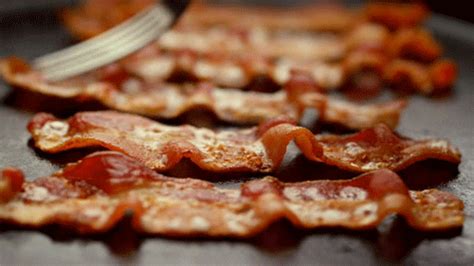
- Short-Form Video: These formats excel at quick, engaging visual narratives. Time-lapses, fast-paced recipe demonstrations set to trending audio, and ‘POV’ cooking videos create an immersive experience. The movement, sound, and quick payoff of a finished dish are powerful conversion tools.
- Interactive Elements & Overlays: Text overlays with key ingredients or simple instructions, animated graphics, and even subtle sound effects can enhance the viewer’s understanding and engagement, making the recipe feel more accessible.
The Call to Action: Bridging the Visual-Action Gap
Even the most captivating visuals need a clear path to conversion. Visual cues can direct viewers to the next step.
- Explicit On-Screen CTAs: Phrases like ‘Link in Bio for Full Recipe,’ ‘Save This Post,’ or ‘Tap Here to Cook’ are essential. These should be visually integrated without being disruptive.
- Visual Accessibility: Ensure your recipe is easy to find once a viewer is hooked. This means clear links, well-organized profile pages, and consistent branding across platforms.
Conclusion
Converting views to recipe tries is an art form rooted in understanding human psychology and leveraging the power of visual communication. By focusing on high-quality, authentic visuals that tell a story, highlight key sensory experiences, and guide the viewer towards action, creators can transform casual browsers into eager home cooks. Master these Visual Bite elements, and watch your foodie engagement, and recipe conversions, soar.