Budget travel: What visual cues betray a hidden gem vs. tourist trap eatery?

Navigating the Culinary Landscape on a Budget
One of the great joys of budget travel is the discovery of authentic local cuisine without breaking the bank. However, every traveler knows the dread of stumbling into an overpriced, underwhelming ‘tourist trap’ restaurant. How can you, the savvy budget explorer, visually distinguish a true hidden culinary gem from a cleverly disguised money pit? It all comes down to keen observation of the visual cues that often betray their true nature.

The Allure and Letdown of the Tourist Trap
Tourist traps are designed to catch the eye of the hurried, often hungry, traveler. They thrive in prime locations near major attractions, relying on convenience and flashy presentation to lure customers in. Here are some red flags:
- Multi-Lingual Menus with Photos: While helpful for non-native speakers, an extensive menu with glossy, often unappetizing, photos in multiple languages (especially without local language prominence) is a classic sign. It caters to the lowest common denominator, not culinary excellence.
- Aggressive Touts or Hawkers: If someone is actively trying to pull you in from the street, especially with insistent charm or promises, it’s almost always a sign to walk away. Genuine gems don’t need to beg for customers.
- Generic Decor and Empty Tables: If the decor feels universally ‘Mediterranean’ or ‘Asian’ rather than authentically local, or if the place is suspiciously empty during peak meal times, proceed with caution.
- Prime Location, Inflated Prices: Restaurants directly on a main square or next to a famous landmark often leverage their location to charge exorbitant prices for mediocre food.
Deciphering the DNA of a Hidden Gem
In contrast, hidden gems often require a little more effort to find, but the reward is almost always worth it. Their visual cues speak volumes about their authenticity and value:
The Local Indicator: Who’s Eating There?
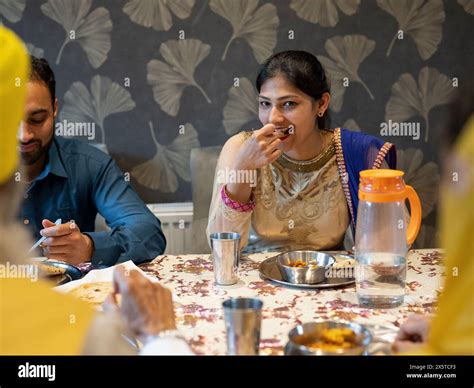
This is perhaps the most crucial visual cue. Look inside. Is the place packed with locals during lunchtime or dinner? Are they chatting animatedly, enjoying their meals, and seemingly regulars? If you see families, business people, or groups of friends who clearly live in the area, you’re likely onto something good. Locals know where the best food and value are.
Menu Matters: Simplicity and Language
- Limited, Local-Language Menu: A shorter menu, often handwritten or simply printed, primarily in the local language (perhaps with a small English translation or staff willing to translate) often indicates specialization and fresh ingredients. They focus on doing a few things exceptionally well.
- Visible Kitchen or Prep Area: If you can peek into a bustling, clean kitchen or see chefs preparing food with fresh, visible ingredients (e.g., a fish market next to a seafood restaurant, a baker kneading dough), it’s a positive sign of quality and transparency.
Ambiance, Decor, and Location: Authenticity Over Flash
Hidden gems rarely invest in lavish, tourist-oriented decor. Instead, look for:
- Functional, Lived-In Decor: Tables and chairs might be simple, even a bit worn, but clean. The decor tells a story of local life, not an international theme park. Murals, local art, or traditional elements are good signs.
- Slightly Off the Beaten Path: Often, the best eateries are found down a side alley, a block or two off the main thoroughfare, or in a less flashy neighborhood. These locations allow them to offer better value.
- Consistent Foot Traffic: A steady stream of customers, even if there’s no queue, suggests a regular clientele drawn by consistent quality.

Food Presentation and Tools
Authentic local food often prioritizes taste and tradition over elaborate plating. Look for:
- Simple, Hearty Portions: Food that looks genuinely home-cooked and generous, rather than overly styled small portions.
- Specific Cooking Tools: Seeing traditional ovens, grills, or specialized equipment being actively used for local dishes (e.g., a tandoor oven for naan, a wood-fired pizza oven) is a great indicator of a place committed to authentic preparation.

The Gut Feeling: Trust Your Instincts
Ultimately, a combination of these visual cues will guide your decision. Take a moment to observe before committing. Listen to the sounds – is it lively local chatter or hushed tourist whispers? Smell the air – are there enticing aromas of cooking, or just the general smell of a busy street? Trust your gut feeling; it’s often the best compass for culinary adventure.

Conclusion: Eat Like a Local, Live Like a Traveler
With these visual cues in your arsenal, you’re well-equipped to navigate the gastronomic maze of any new destination. By actively looking for signs of local patronage, authentic menus, and genuine ambiance, you’ll not only save money but also experience the true flavor of a place, one delicious hidden gem at a time. Happy eating!