Busy foodies: How to meal prep healthy real food for quick weeknights?
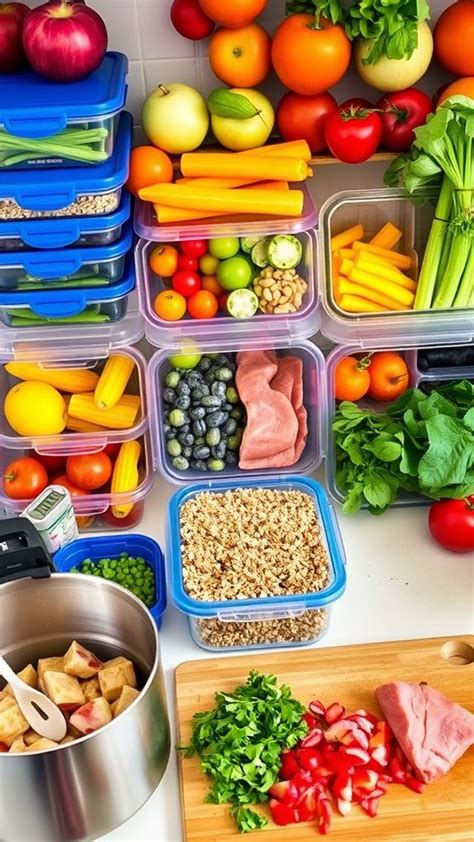
For the modern foodie, the love for delicious, wholesome meals often clashes with the demands of a hectic schedule. You crave vibrant flavors, fresh ingredients, and the satisfaction of real food, but weeknights turn into a scramble, often ending in takeout or quick fixes that don’t quite hit the mark. The good news? You don’t have to sacrifice your culinary standards or your health. Meal prepping healthy, real food is the ultimate hack for busy foodies, transforming your weeknights into a breeze of nutritious, flavorful dining.
The Modern Foodie’s Dilemma
The allure of a beautifully plated, nutritious meal prepared from scratch is strong. However, reality often intervenes. Long work hours, family commitments, and social lives leave little energy for elaborate cooking sessions every evening. This often leads to a cycle of good intentions followed by culinary compromise. The key to breaking this cycle lies in strategic planning and preparation.
Why Meal Prepping Is Your Culinary Superpower
Meal prepping isn’t just about saving time; it’s about investing in your well-being and culinary joy. By dedicating a few hours once or twice a week, you unlock a multitude of benefits:
- Healthier Choices: You control the ingredients, ditching processed foods, excess sugars, and unhealthy fats.
- Time Efficiency: Weeknights become stress-free with ready-to-heat meals, freeing up precious hours.
- Budget Savings: Bulk buying and less impulse takeout translate into significant savings.
- Reduced Food Waste: Planning helps you utilize all ingredients, minimizing spoilage.
- Stress Reduction: The mental load of ‘what’s for dinner?’ is lifted.
Getting Started: Your Meal Prep Toolkit
Successful meal prepping begins with a bit of organization. You don’t need an elaborate kitchen, but a few essentials make a big difference:
- A Plan: Start by choosing recipes. Think about components that can be mixed and matched (e.g., roasted veggies, grilled chicken, quinoa).
- Shopping List: A detailed list prevents forgotten ingredients and impulse buys.
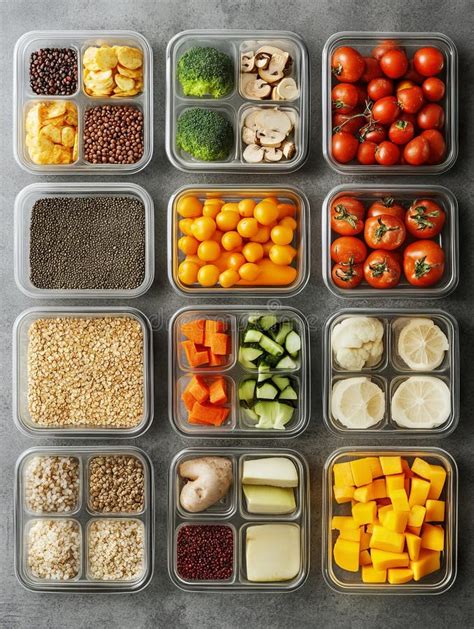
- Quality Containers: Airtight, microwave-safe, and freezer-safe containers are crucial for freshness and convenience. Glass containers are excellent for reheating.
- Basic Kitchen Tools: Sharp knives, cutting boards, large pots, baking sheets, and a good food processor can speed things up.
The “Real Food” Philosophy for Prep
When we talk about “real food,” we mean whole, unprocessed ingredients. Focus on:
- Lean Proteins: Chicken breast, fish, tofu, lentils, beans, lean ground meat.
- Complex Carbohydrates: Quinoa, brown rice, sweet potatoes, whole-wheat pasta, oats.
- Healthy Fats: Avocados, nuts, seeds, olive oil.
- Abundant Vegetables: A colorful array of fresh or frozen vegetables.
- Fruits: For snacks or dessert.
Aim for a balance of these macronutrients in each meal to keep you feeling full and energized.
Smart Strategies for Efficient Prep
There are several approaches to meal prepping. Choose what fits your style:
- Batch Cooking: Cook large quantities of one or two dishes that can be portioned out for several meals. Think a big pot of chili, a roasted chicken, or a hearty lentil soup.
- Component Prepping: Prepare individual components that can be assembled into different meals throughout the week. Roast a big tray of vegetables, cook a batch of grains, grill a pound of protein. Then mix and match! For example, roasted chicken can go into salads, wraps, or served with rice and veggies.
- Freezer-Friendly Meals: Double recipes and freeze half for later. Soups, stews, casseroles, and burritos freeze beautifully.
- One-Pan/One-Pot Wonders: Simplify cooking and cleanup by choosing recipes that require minimal dishes.
Storage and Safety Tips
- Cool Down Quickly: Allow hot food to cool completely before covering and refrigerating to prevent bacterial growth.
- Proper Portioning: Store meals in individual portions for easy grab-and-go convenience.
- Refrigeration Lifespan: Most prepped meals are good for 3-4 days in the refrigerator. Use your freezer for anything beyond that.
- Label Everything: Include the dish name and date for easy tracking.
Sample Weeknight Meal Ideas
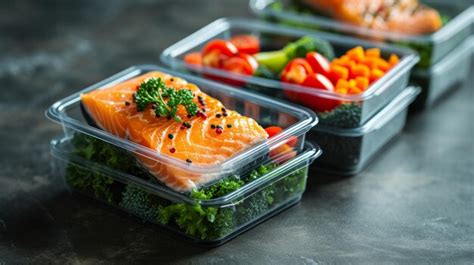
Here are some real food ideas that lend themselves well to meal prepping:
- Sheet Pan Chicken & Veggies: Roast chicken breast or thighs with a medley of chopped broccoli, bell peppers, and sweet potatoes.
- Quinoa Bowls: Cook a big batch of quinoa. Pair with pre-cooked chicken or chickpeas, roasted veggies, and a healthy dressing.
- Big Batch Lentil Soup or Chili: Hearty, flavorful, and freezes wonderfully.
- Prep-Ahead Salads: Layer ingredients in jars, putting dressing at the bottom, then hardier veggies, then greens on top.
- Overnight Oats: Perfect for quick, healthy breakfasts throughout the week.
Keeping It Fresh: Variety and Flexibility
To avoid meal prep burnout, introduce variety. Don’t prep the exact same meal for five days straight. Use component prepping to create different combinations, or alternate your main protein sources week to week. Leave one night flexible for social plans or experimenting with a new recipe. The goal is sustainability, not perfection.
Embracing meal prep as a busy foodie means reclaiming your weeknights, nourishing your body with real food, and proving that delicious, healthy eating doesn’t have to be a luxury. With a little planning and consistency, you’ll master the art of quick, gourmet-worthy weeknight meals.