Capture stunning food photos abroad: Foodie tips for visual storytelling?
Traveling is a feast for the senses, and for many foodies, capturing those culinary moments is as important as tasting them. From vibrant street food stalls in Bangkok to rustic trattorias in Rome, every dish tells a story. But how do you translate that delicious experience into a visually stunning photograph that truly conveys the essence of your food adventure?
Mastering the Art of Light and Composition
Good photography begins with good light. When shooting food abroad, always prioritize natural light. Position your dish near a window or outdoors in diffused sunlight. Avoid harsh direct sun or using your camera’s built-in flash, which often creates unflattering shadows and an unnatural look. Overcast days or shaded areas provide beautiful, soft light perfect for food photography.

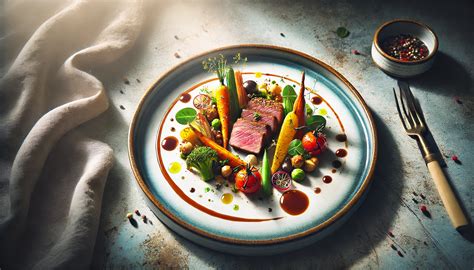
Composition is equally vital. Experiment with different angles: a top-down “flat lay” works wonders for colorful spreads, while an eye-level shot captures the layers and textures of a burger or cake. Don’t be afraid to get up close to highlight intricate details, but also consider wide shots that include elements of the restaurant or surroundings to add context. Utilize the rule of thirds to place your main subject off-center for a more dynamic image, and look for leading lines or natural frames to guide the viewer’s eye.
Telling a Visual Story Beyond the Plate
A great food photo isn’t just about the food; it’s about the experience. Think about the broader narrative. What’s happening around the dish? Are there hands preparing it, a bustling market in the background, or local patrons enjoying their meals? Including these elements adds depth, authenticity, and a sense of place to your photographs, making them truly immersive stories.
Capture the “before” and “after” moments: the vibrant raw ingredients, the cooking process, the steam rising from a freshly served bowl, or even the empty plate signaling a delicious meal. These candid shots add dynamic storytelling layers. Authenticity is key; let the food and environment speak for themselves, rather than trying to overly stage every shot. The imperfect, real moments often make for the most compelling images.
Practical Tips for the Traveling Food Photographer
Whether you’re using a smartphone or a DSLR, understanding your gear’s capabilities is crucial. Smartphones today offer incredible camera quality, often excelling in low light and close-ups. If using a phone, explore its manual modes or third-party camera apps for more control over exposure and focus. For DSLR users, a prime lens (like a 50mm) is excellent for food, offering beautiful bokeh and sharpness.
Always ask for permission before taking photos, especially of people or inside private establishments. A polite gesture goes a long way. Be quick and discreet; you don’t want your photography to disrupt the dining experience for yourself or others. Timing is also critical – shoot the food as soon as it arrives, while it’s fresh, hot, and perfectly presented. Carry a small, portable reflector or diffuser if you want to control light more precisely, though often your napkin can serve as a makeshift bounce card.
Enhancing and Sharing Your Culinary Masterpieces
Once you’ve captured your shots, a little post-processing can elevate them. Mobile editing apps like Adobe Lightroom Mobile, Snapseed, or VSCO offer powerful tools to adjust exposure, contrast, color temperature, and sharpness. The goal is to enhance the natural beauty of the food, not to drastically alter it. Aim for a clean, vibrant look that feels true to the original scene.
Finally, share your visual stories! Whether on Instagram, a travel blog, or with friends and family, thoughtful captions that provide context about the dish, its origins, or your personal experience will make your photos even more impactful. Hashtags related to food, travel, and specific destinations can help others discover your work and inspire their own culinary adventures.

Conclusion: Feast Your Eyes, Capture Your Journey
Capturing stunning food photos abroad is an enriching extension of any foodie’s travel experience. By paying attention to light, composition, and the story beyond the plate, you can transform simple meals into captivating visual narratives. So, next time you’re exploring new culinary horizons, remember these tips, and let your lens tell the delicious tale of your adventure.