Creative ways to plate simple ingredients for maximum visual impact?
You don’t need exotic ingredients or a Michelin-star kitchen to create visually stunning dishes. With a little creativity and understanding of basic design principles, you can elevate even the simplest meals into works of art. The secret lies in mindful plating, transforming a plate of food from merely edible to truly enticing.
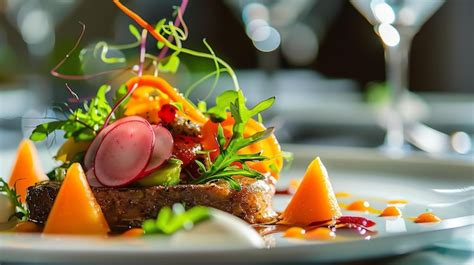
The Power of Color and Contrast
One of the easiest ways to make a dish pop is by utilizing color. Simple ingredients like roasted carrots, fresh herbs, or a vibrant bell pepper can add significant visual interest. Think about contrasting colors – a bright green parsley garnish against a creamy potato mash, or a scattering of crimson pomegranate seeds over a light-colored main.
- Brighten with fresh produce: A sprinkle of chopped chives, a lemon wedge, or a few cherry tomato halves can instantly lift a dish.
- Utilize natural pigments: Think purple cabbage, golden turmeric rice, or the deep green of spinach to create a dynamic palette.
- Texture contrast: Combine smooth purées with crunchy elements like toasted nuts or fried onions for both visual and textural interest.
Mastering Height and Dimension
Flat food can look uninspired. Adding height gives your dish a professional, inviting look. This doesn’t mean building a tower; subtle elevation can make a big difference.
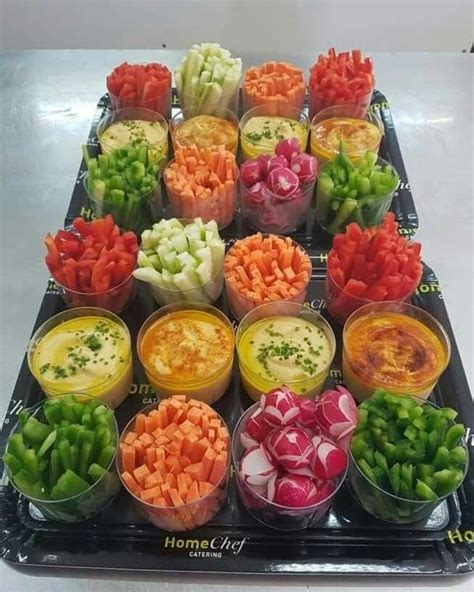
Ways to add dimension:
- Stacking: Neatly stack components, like alternating layers of roasted vegetables and a protein, or placing a small mound of rice on top of a larger base.
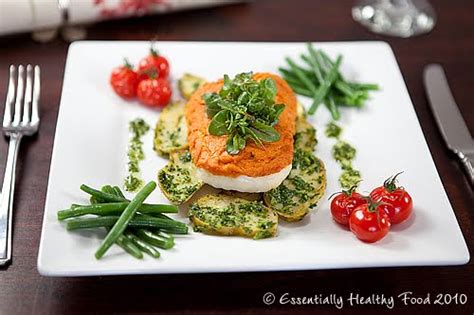
- Leaning elements: Instead of lying flat, lean asparagus spears against a piece of fish, or overlap sliced avocado for a fan effect.
- Molding: Use a cookie cutter or a small bowl to mold rice, quinoa, or mashed potatoes into a neat shape before carefully lifting it off the plate.
The Art of Arrangement and Negative Space
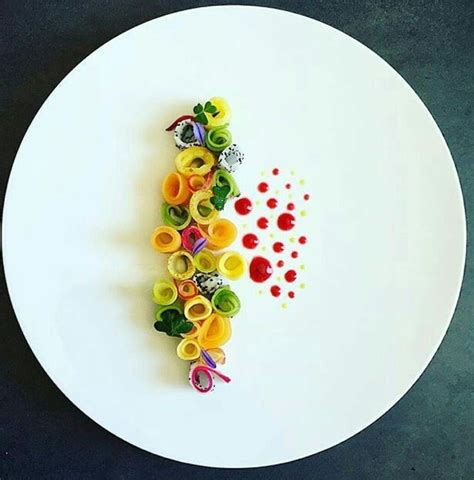
How you arrange components on the plate is crucial. Avoid overcrowding; negative space is your friend. It allows each element to breathe and be appreciated individually.
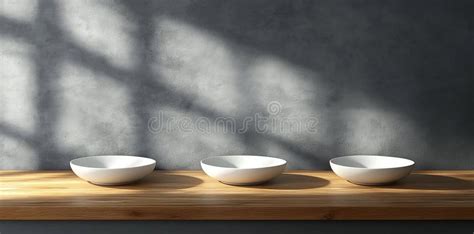
Consider these principles:
- Rule of thirds: Imagine dividing your plate into an tic-tac-toe grid. Place key elements at the intersections for a balanced composition.
- Triangular placement: Arrange three main components in a loose triangle for visual harmony.
- Leading lines: Use long, thin elements like a sauce drizzle or a vegetable stick to guide the eye across the plate.
- Asymmetry: Sometimes, an off-center arrangement can be more visually interesting than a perfectly symmetrical one.
Garnish with Purpose
Garnishes aren’t just for show; they should complement and enhance the dish. A well-chosen garnish adds freshness, flavor, and that final touch of finesse.
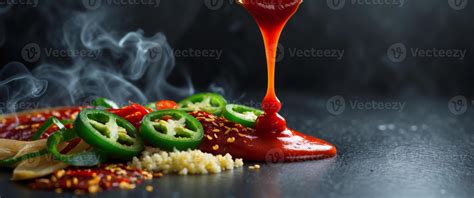
- Fresh herbs: A sprig of rosemary for roasted chicken, fresh dill for salmon, or basil leaves for pasta. Finely chop or leave whole, depending on the desired effect.
- Citrus zest/wedges: Adds brightness and a pop of color, especially to savory dishes.
- Sauce drizzles or swirls: Use a squeeze bottle or a spoon to artfully drizzle sauces (like a balsamic glaze or a herb oil) on the plate, either under the food or around it.
- Edible flowers or microgreens: For a touch of elegance and delicate flavor, especially suitable for desserts or lighter dishes.
The Right Canvas: Choosing Your Plateware
The plate itself is part of the presentation. A simple white plate often works best as it makes the food the star, but don’t shy away from experimenting with other colors and shapes.
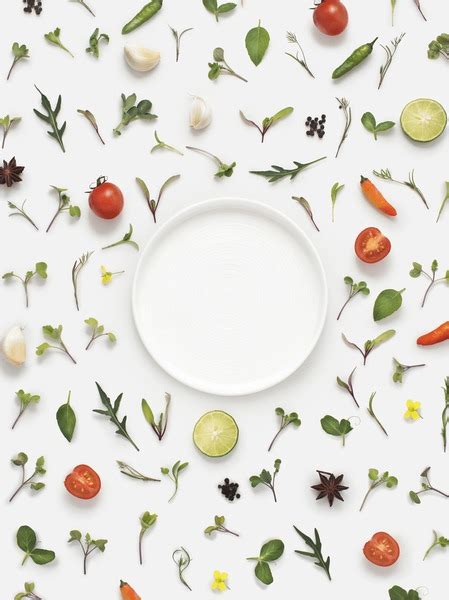
- Size matters: Don’t use a plate that’s too large, making your portion look sparse, or too small, making it look crowded.
- Color consideration: White plates highlight food colors. Darker plates can create dramatic contrast.
- Shape variety: Square, rectangular, or oval plates can offer different presentation opportunities than traditional round plates.
Elevating simple ingredients through thoughtful plating is a rewarding skill. It transforms a meal into an experience, stimulating not just the taste buds but also the eyes. Experiment with these techniques, have fun, and soon you’ll be plating like a pro, turning everyday dishes into extraordinary feasts for the eyes.