Discovering hidden culinary gems for stunning foodie travel shots?
For many, travel isn’t just about seeing new places; it’s about tasting them. The thrill of discovering a local eatery, a bustling market stall, or a secluded café that serves up authentic, mouth-watering dishes is a core part of the adventure. But what elevates these culinary quests from a mere meal to a memorable story? Capturing those moments with stunning photography. This guide will help you unearth those hidden gems and turn your foodie experiences into a visual feast for your audience.
The Quest for Authenticity: Why Go Off-Grid?
Mainstream tourist traps often offer a watered-down version of local cuisine, designed for the masses rather than for genuine cultural immersion. To find truly authentic flavors and the most compelling visual stories, you need to venture beyond the usual recommendations. Hidden culinary gems aren’t just about the food; they’re about the atmosphere, the people, the history, and the raw, unfiltered essence of a place. These are the locations that offer character, unique lighting, and genuine human interaction, all crucial ingredients for striking travel photography.
Think beyond fancy restaurants. Often, the best stories (and flavors) are found in humble settings – a street vendor perfecting a centuries-old recipe, a family-run café where generations have passed down culinary traditions, or a bustling local market vibrant with colors and aromas.

Navigating the Local Landscape: Your Culinary Compass
Finding these hidden spots requires a bit of detective work and an open mind. Start by ditching the global restaurant chains and embracing local intel. How do you find these treasures?
- Ask Locals: The most reliable source. Engage with hotel staff, taxi drivers, shopkeepers, or even fellow travelers who seem to know their way around. Ask where they eat, not where tourists eat.
- Wander with Purpose: Sometimes the best finds are accidental. Stroll through neighborhoods away from the main tourist drag, especially during lunch or dinner hours, and follow your nose or the sound of lively chatter.
- Scour Social Media: Instagram and food blogs can be treasure troves. Look for geotags of locals, or search hashtags like #<cityname>foodie, #<cityname>eats, or #streetfood<cityname>. Pay attention to small, independent accounts.
- Visit Local Markets: Wet markets and farmers’ markets are not only excellent places to sample fresh produce but also often host street food vendors serving authentic, inexpensive dishes.
Mastering the Lens: Capturing Edible Art
Once you’ve found your culinary masterpiece, the next step is to capture its essence. Food photography for travel is about more than just a perfectly styled dish; it’s about telling a story. Pay close attention to natural light, which is often the best light. Position your dish near a window or in open shade. Experiment with different angles – a straight-down shot for graphic appeal, or a close-up to highlight textures and ingredients. Don’t be afraid to get messy; a few crumbs or a drippy sauce can add to the authenticity.
Think about the elements surrounding the food. Are there interesting textures on the table? Unique cutlery? A bustling background of the market or kitchen? These details add depth and context to your shot, making it feel more immersive and less like a studio setup. Use a shallow depth of field to make the food pop, or a wider shot to include the vibrant environment.
Beyond the Plate: Engaging with the Experience
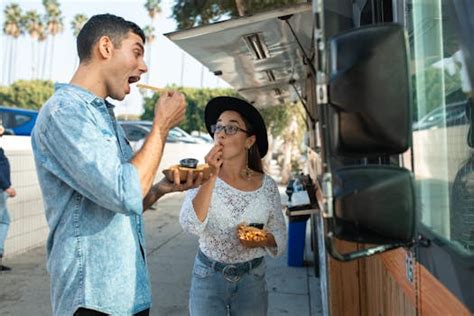
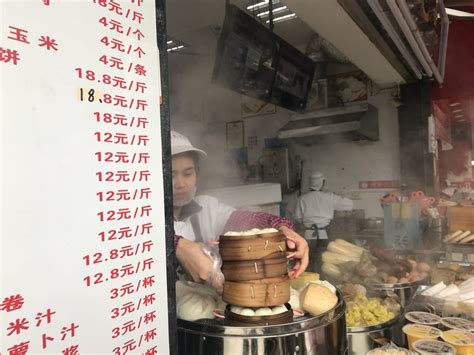
Your foodie shots don’t just have to be of the food itself. Capture the journey! Take candid shots of the chef preparing the dish, the vendor serving with a smile, or fellow diners enjoying their meals. These human elements bring your story to life and provide a sense of place and culture that a static food shot simply cannot. Always be respectful and ask for permission, especially when photographing people.
From Raw Shot to Raving Review: Post-Production & Sharing
After you’ve taken your shots, a little post-processing can go a long way. Adjusting brightness, contrast, and color balance can make your food truly pop. Avoid over-editing; the goal is to enhance reality, not distort it. Once polished, share your culinary adventures on platforms like Instagram, Facebook, and your personal blog. Use relevant hashtags and detailed captions to describe the dish, its ingredients, and the story behind it. Your stunning visuals combined with engaging narratives will inspire other foodies and travelers to embark on their own delicious expeditions.

Discovering hidden culinary gems and capturing them beautifully is a rewarding journey. It’s about more than just food; it’s about immersing yourself in culture, connecting with people, and telling compelling stories through your lens. So next time you travel, put on your explorer hat, grab your camera, and prepare to uncover (and photograph) the authentic tastes of the world!