Discovering hidden culinary gems: What visual clues point to authentic spots?
The Quest for Authentic Flavors
There’s a unique thrill in stumbling upon a restaurant that’s not listed in every guide book, a place where locals gather, and the food speaks volumes about its heritage. These ‘hidden gems’ offer an authentic culinary experience often overlooked by the casual tourist. But how do you spot them amidst a sea of generic eateries? It’s all about tuning into subtle visual clues that signal genuine authenticity.

Exterior Cues: More Than Just a Facade
Often, the first hint of an authentic spot comes before you even step inside. Look for establishments that might seem unassuming or even a little worn. Pristine, overly polished facades can sometimes be a red flag for tourist traps. Instead, observe:
- Modest Appearance: A humble storefront, perhaps with a slightly faded sign, often indicates a place that relies on its food, not flashy marketing.
- Local Language Signage: If the signs are predominantly in the local language, especially with handwritten elements or unique typography, it’s a strong indicator they cater to a local clientele.
- Minimalist Decor: Less emphasis on elaborate decor and more on functionality suggests a focus on what truly matters: the food.
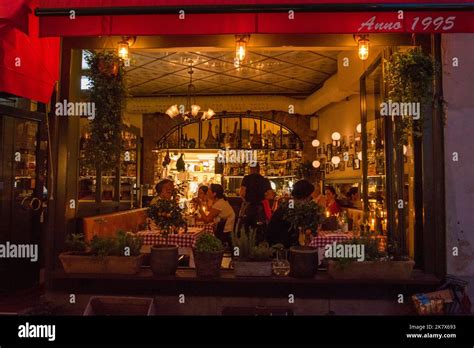
Also, peek into the windows. Are there locals dining? That’s gold. If you see a mix of generations, it’s even better, as it suggests a long-standing community favorite.
Inside Scoop: What Happens Indoors
Once you’ve ventured inside, a whole new set of visual clues emerges. The atmosphere and clientele are paramount:
- Packed with Locals: This is perhaps the strongest signal. A bustling spot filled with local families, business people, or friends chatting animatedly is almost always a good sign.
- Simple, Functional Decor: Don’t expect Michelin-star aesthetics. Authentic spots often have practical, well-used tables and chairs, perhaps with some local art or cultural artifacts that feel genuine rather than staged.
- Open Kitchens (if applicable): A visible kitchen where you can see the chefs at work, especially if they are seasoned individuals focused on their craft, builds confidence.
Menu Matters: Decoding the Culinary Offering
The menu itself can be a rich source of information about a restaurant’s authenticity.
- Limited and Focused: A lengthy menu covering every possible cuisine is often a warning. Authentic places usually excel at a specific set of dishes or a particular regional style. A short, curated menu indicates mastery over those offerings.
- Handwritten or Daily Specials: Menus that are handwritten, chalkboards with daily specials, or printed on simple paper suggest freshness, seasonality, and a dynamic kitchen adapting to available ingredients.
- Local Language Priority: While many places offer English translations for tourists, if the local language comes first or is the primary language, it reinforces its local appeal.
- Specialty Dishes Highlighted: Look for dishes unique to the region or specific to the restaurant – often indicated by being named after the town, a family member, or a unique preparation method.
The Human Element: Staff and Service
The people behind the counter or serving the food offer crucial insights.
- Family-Run Vibe: Many authentic eateries are family businesses, passed down through generations. You might observe family members interacting, giving off a warm, genuine sense of hospitality that isn’t overly formal or rehearsed.
- Passion for Food: Staff who are knowledgeable about the ingredients, happy to explain dishes, and proud of what they serve are a testament to the kitchen’s dedication.
- Efficient, Not Fawning Service: Service might be less formal or even a little brisk, especially in busy places, but it’s usually efficient and focused on getting delicious food to your table.
The Sensory Symphony: Smell, Sound, and Vibe
Beyond what you see, pay attention to your other senses. A truly authentic spot often creates an immersive experience:
- Inviting Aromas: The air should be filled with the fragrant smells of cooking – spices, grilling, baking – specific to the cuisine.
- Lively Chatter: The sounds of laughter, clinking cutlery, and animated conversations in the local language contribute to a vibrant, lived-in atmosphere.
- Overall Comfort: Despite potentially simple surroundings, there’s a comforting, welcoming energy that makes you feel at ease, like you’ve stepped into a local’s home.

Embrace the Adventure
Finding hidden culinary gems is an art and a science, a delightful treasure hunt for the adventurous palate. By paying attention to these visual and sensory clues, you dramatically increase your chances of discovering those unforgettable meals that become highlights of any journey. Trust your instincts, be willing to step off the beaten path, and savor the reward of true authenticity.