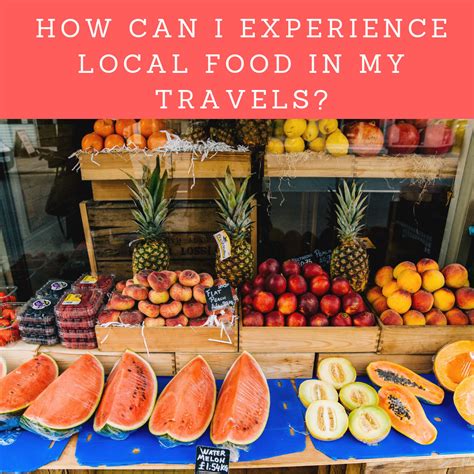
Discovering hidden food gems: what visual cues reveal authenticity?

The Quest for Culinary Authenticity
In a world brimming with tourist traps and Instagrammable facades, the true food adventurer seeks something deeper: authenticity. It’s the taste of tradition, the essence of local culture, and a culinary experience untainted by mass appeal. But how do you sniff out these hidden food gems? Often, the most telling clues aren’t found on review sites, but rather in the subtle visual signals that surround an eatery and its offerings.
Reading the Street Scene: External Cues
Before you even step inside, the exterior of a potential food haven tells a story. Look for a bustling crowd, particularly one composed of locals rather than tourists. A humble, unpretentious storefront, perhaps with a faded sign or handwritten specials board, often screams authenticity louder than a flashy, modern facade. These places prioritize substance over style, focusing their energy and resources on what truly matters: the food.
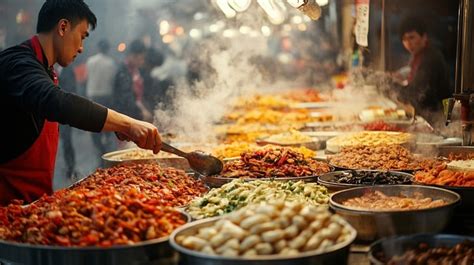
Observe the street vendors and market stalls. Are they preparing food fresh in front of you? Is there a limited, focused menu indicating mastery of a few specific dishes? These are all strong indicators of a spot that takes pride in its heritage and delivers genuine flavors.
Unveiling the Eatery’s Soul: Internal Visuals
Once you’re through the door, the interior design, or lack thereof, can be highly revealing. An open kitchen, where you can see the chefs at work, often signals confidence in their hygiene and cooking methods. Furthermore, the decor might be simple, utilitarian, or filled with personal touches rather than generic, mass-produced art. Signs of honest wear and tear – a well-worn counter, slightly chipped plates – often speak to years of serving happy customers.

Pay attention to the menu. Is it concise, perhaps even handwritten? Does it feature regional specialties and seasonal ingredients? A menu that’s overly extensive or translated into multiple languages without a local feel might indicate a broader, less authentic approach. The presence of local publications or conversations in the regional dialect further solidifies its local appeal.
A Feast for the Eyes: The Dish Itself
Finally, the food on your plate offers the ultimate visual evidence of authenticity. Look for simplicity in presentation. Truly authentic dishes often forgo elaborate garnishes for the natural beauty of fresh, quality ingredients. Vibrant, natural colors in vegetables and meats, rather than artificial hues, indicate freshness and proper cooking.
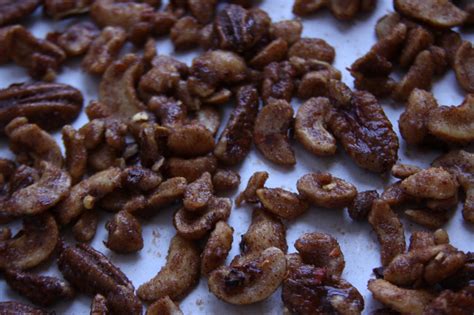
Texture also plays a role. A dish that looks handmade, with slight imperfections that reveal a human touch (think hand-rolled pasta, rustic bread, or char marks on grilled items), is usually a good sign. Portions are typically generous and hearty, reflecting a desire to nourish rather than just impress.
Observing the Patrons: The Diner’s Dance
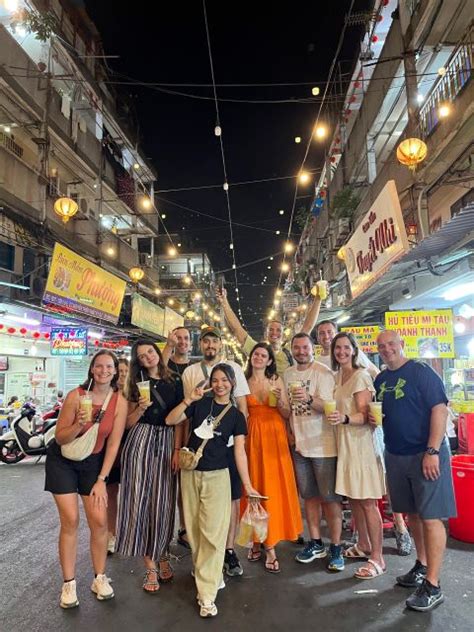
Beyond the food and environment, the people eating around you are a powerful visual cue. Are the tables filled with locals animatedly chatting and enjoying their meals? Do they seem to know the staff? A high proportion of local diners, especially those not excessively glued to their phones but actively engaging with their food and companions, is a strong indicator of a beloved establishment. A quick turnover but consistently full tables suggests efficiency and popularity born of quality.
Trust Your Instincts: The Joy of Discovery
Ultimately, discovering hidden food gems is an art that combines observation with intuition. These visual cues serve as your compass, guiding you away from the tourist traps and towards the heart of local cuisine. Embrace the adventure, trust what your eyes tell you, and prepare to be rewarded with unforgettable flavors and genuine culinary experiences. The most authentic meals are often found where you least expect them, revealed by the subtle, honest signals of true passion for food.