Easy tips for beautiful, zero-waste meal prep using seasonal produce?
Embrace the Art of Sustainable Eating
Meal prepping is a fantastic way to save time, eat healthier, and reduce stress throughout your week. But what if you could take it a step further, making your meal prep not just efficient but also beautiful, budget-friendly, and kind to the planet? Enter zero-waste meal prep using seasonal produce. This approach minimizes food waste, leverages the freshest ingredients, and often saves you money in the long run. Let’s dive into some easy tips to transform your kitchen into a hub of sustainable culinary creativity.
Why Go Seasonal and Zero-Waste?
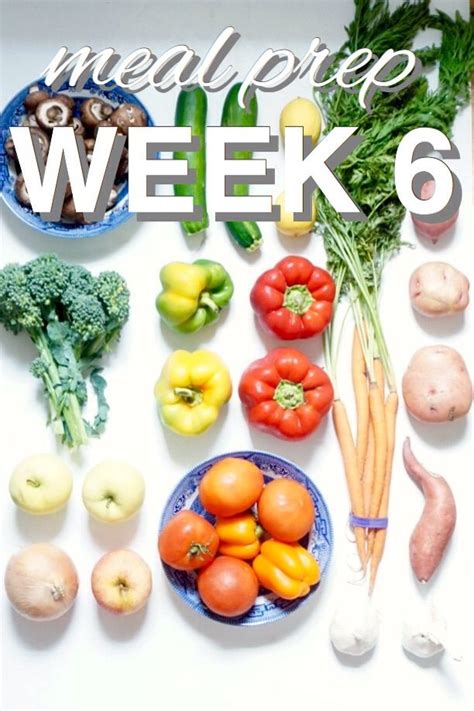
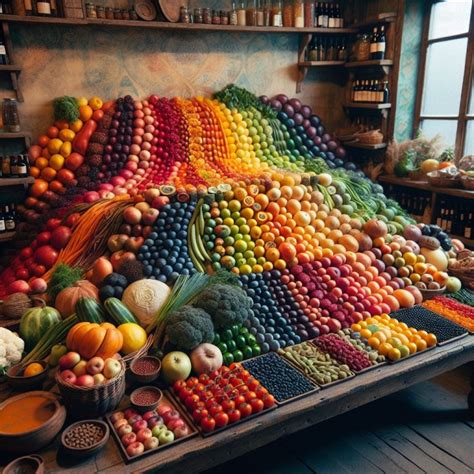
Opting for seasonal produce means you’re buying fruits and vegetables at their peak freshness and flavor. They are often more affordable, require less transportation (reducing carbon footprint), and support local farmers. Combining this with zero-waste principles means you’re consciously working to use every part of your ingredients, from root to leaf, and minimizing packaging waste.
- Enhanced Flavor: Produce picked in season tastes better.
- Cost Savings: Seasonal items are usually cheaper due to abundance.
- Environmental Impact: Less transport, less plastic, less food waste.
- Nutritional Value: Produce is often at its most nutrient-dense when in season.
Strategic Planning is Key
The foundation of any successful meal prep, especially a zero-waste one, lies in meticulous planning. Before you even head to the store, take stock of what you already have in your pantry, fridge, and freezer. Plan meals around these existing ingredients first to prevent anything from going bad. Then, identify seasonal produce that complements your desired dishes for the week.
Think about versatile ingredients. For example, a head of cauliflower can become roasted florets, a creamy soup base, or even “rice.” Carrots can be snacks, part of a stir-fry, or a pureed soup. Plan meals that allow for cross-utilization of ingredients.
Smart Shopping for Seasonal Goodness
Once your meal plan is solid, create a detailed shopping list. Stick to it rigorously to avoid impulse buys and unnecessary packaging. When shopping for seasonal produce:
- Farmers’ Markets are Your Best Friend: They offer the freshest seasonal produce with minimal or no packaging. Bring your reusable bags!
- Bulk Bins: Utilize bulk sections for grains, nuts, seeds, and spices. Bring your own containers or cloth bags.
- Choose Loose Produce: Opt for fruits and vegetables not pre-packaged in plastic.
- Look for “Ugly” Produce: Often perfectly delicious, these items are frequently overlooked and can contribute to food waste if not purchased.
Efficient Prep & Storage for Longevity
This is where the magic happens! Proper preparation and storage are crucial for making your seasonal produce last and preventing waste.
- Wash and Dry Thoroughly: Most produce lasts longer when clean and completely dry before storage.
- Strategic Chopping: Chop vegetables in advance for quick meals, but store them correctly. Root vegetables and hardier greens do well pre-chopped. Softer items like leafy greens are best stored whole and chopped just before use.
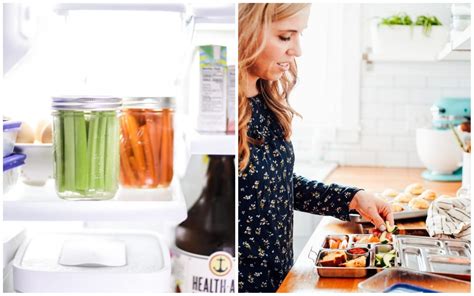
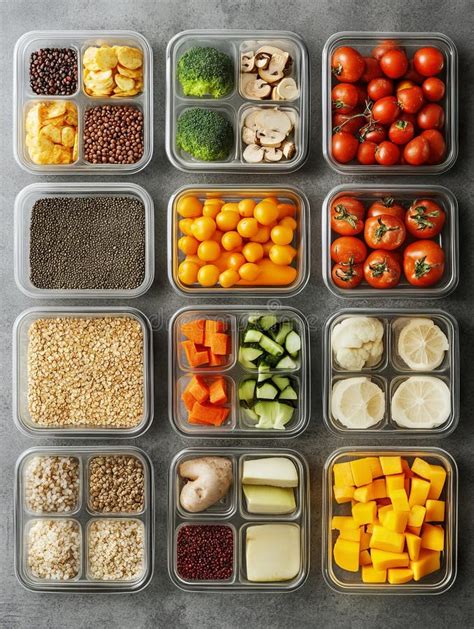
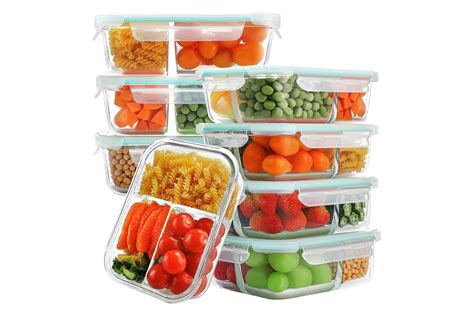
- Airtight Containers: Invest in glass or stainless steel containers. They are durable, non-toxic, and keep food fresh longer than plastic.
- Proper Refrigeration: Know which produce goes where. Some items, like tomatoes and potatoes, prefer cool, dark pantries, while most others belong in the fridge.
- Blanch and Freeze: If you have an abundance of seasonal produce (e.g., berries, green beans), blanching and freezing them is an excellent way to preserve their nutrients and flavor for later use.

Creative Scraps & Leftovers: The Zero-Waste Hero
The true essence of zero-waste is giving new life to what might otherwise be discarded. Don’t throw away those vegetable scraps!
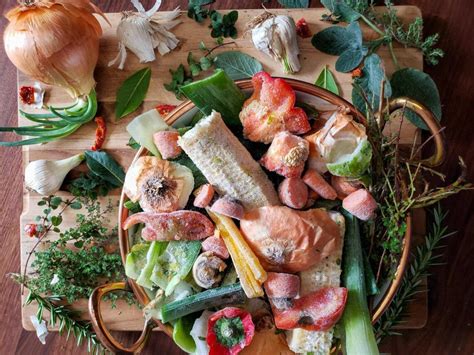
- Vegetable Broth: Keep a bag in your freezer for vegetable ends, peels, and herb stems. When full, boil them down with water for a flavorful homemade broth.
- Pesto from Greens: Beet greens, carrot tops, or radish greens can be blended into delicious pesto.
- Roasted Peelings: Potato or sweet potato peels can be tossed with oil and spices and roasted into crispy snacks.
- Revive Wilted Greens: Soak slightly wilted greens in a bowl of ice water for 15-30 minutes to crisp them up.
- Compost: For the inevitable organic waste you can’t consume, start a compost bin. Your garden will thank you!
Recipes to Get You Started (Seasonal Examples)
While specific recipes depend on the season, here are some ideas for maximizing versatility and minimizing waste:
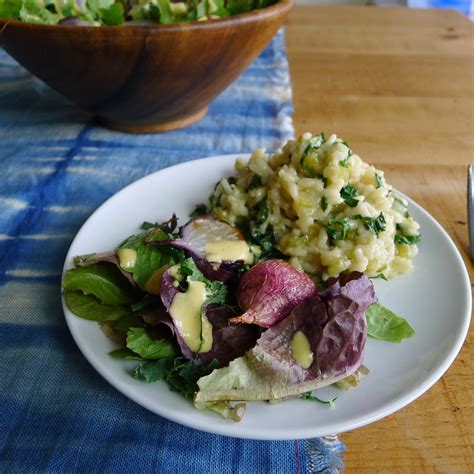
- Spring: Asparagus and pea risotto, strawberry spinach salad, radish top pesto.
- Summer: Zucchini noodles with cherry tomato sauce, corn on the cob (use husks for stock), peach and berry crumbles.
- Autumn: Roasted root vegetable medleys, pumpkin soup (roast seeds!), apple compote.
- Winter: Hearty kale and bean stews, citrus segment salads (use peels for zest or candied), braised cabbage.
Conclusion: A Beautiful, Sustainable Journey
Embracing zero-waste meal prep with seasonal produce is more than just a trend; it’s a mindful approach to eating that benefits your health, your wallet, and the planet. By planning strategically, shopping smartly, prepping efficiently, and getting creative with every part of your ingredients, you’ll discover a world of vibrant flavors and a deeply satisfying sense of sustainability. Start small, experiment, and enjoy the beautiful journey of a truly eco-conscious kitchen!