
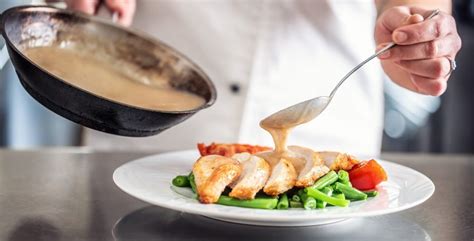
Easy visual plating tips for nourishing, appealing dishes?

Elevate Your Everyday Meals: The Art of Visual Plating
Eating is a multi-sensory experience, and while taste and aroma are paramount, sight plays a crucial role in our enjoyment and even perception of nourishment. You don’t need to be a gourmet chef to make your home-cooked meals look as good as they taste. Simple visual plating techniques can turn a humble dish into a feast for the eyes, making it more appealing and encouraging healthy eating habits. Let’s explore some easy tips to make your nourishing dishes truly shine.
Choose Your Canvas Wisely: The Plate
The plate itself is your canvas, and its characteristics can significantly impact your presentation. Opt for plates that are relatively simple in design and color, as they won’t distract from the food. White or neutral-colored plates are often preferred because they make the colors of your food pop.
Consider the size: a plate that’s too large can make a meal look sparse, while one that’s too small might appear overcrowded. Aim for a size that allows for a little negative space around your food, giving it room to breathe and look elegant. Different shapes (round, square, rectangular) can also offer unique presentation opportunities.
Harness the Power of Color and Texture
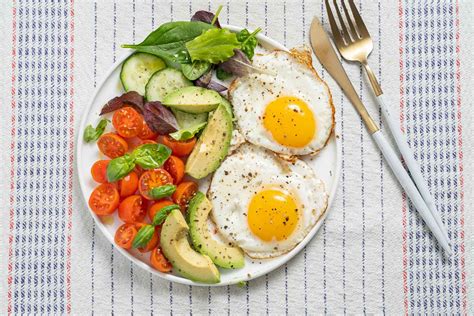
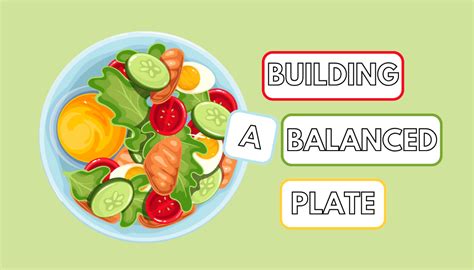
One of the easiest ways to make a dish visually appealing is by incorporating a variety of colors and textures. Think about a balanced meal: often, it naturally includes a spectrum of colors from different vegetables, proteins, and grains.
Aim for contrast. If you have a monochromatic dish (like a creamy pasta), introduce a splash of vibrant green from fresh herbs, a pop of red from cherry tomatoes, or a sprinkle of toasted nuts for both color and crunch. Textural variety, like the crispiness of a fried onion next to a smooth puree, adds depth and interest.

Strategic Arrangement: Balance and Focus
How you arrange components on the plate is key. A common and effective technique is the ‘rule of thirds’ or creating a focal point. Imagine your plate as a clock face: place your main protein between 6 and 9 o’clock, your starch or grain between 9 and 12, and your vegetables between 12 and 3.
Another popular method is the ‘rule of odds,’ where an odd number of items (like three scallops or five asparagus spears) often looks more aesthetically pleasing and natural than an even number. Always remember to consider negative space – the empty areas around your food are just as important as the food itself, preventing the plate from looking cluttered.
Add Height and Dimension
Flat food can look uninspired. Adding height creates visual interest and makes a dish feel more substantial and professional. Think about stacking elements where appropriate, like layering sliced avocado on a salad, mounding rice or grains, or leaning grilled vegetables against a protein.
You can also use purees or mashed components as a base upon which other elements are placed, naturally elevating them. This adds a sculptural quality to your dish, inviting the eye to explore.
The Finishing Touches: Sauces and Garnishes
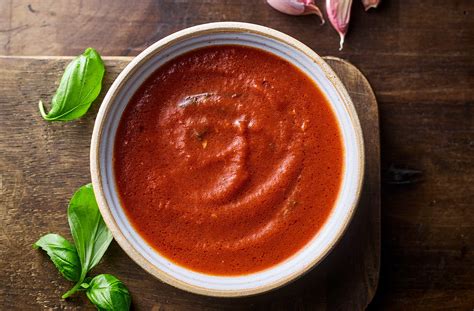
Sauces aren’t just for flavor; they’re excellent for presentation. Instead of pouring a pool of sauce over everything, consider drizzling it artfully around or under your main components. Use a spoon or a squeeze bottle for more control to create swirls, dots, or lines.
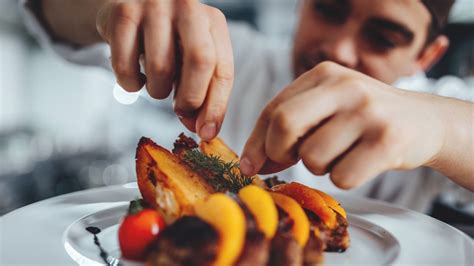
Garnishes are the jewellery of your dish. Fresh herbs (parsley, cilantro, chives), a sprinkle of seeds (sesame, chia), a dash of paprika, a lemon wedge, or even edible flowers can add a final flourish of color, texture, and freshness. Ensure your garnishes are relevant to the dish and not just for show; they should enhance, not detract.
Nourishing Meets Appealing: The Best of Both Worlds
The beauty of visual plating is that it naturally encourages the incorporation of nourishing elements. To make a dish more appealing and nutritious:
- Load up on colorful vegetables: They bring vibrant hues and essential nutrients.
- Focus on fresh ingredients: Their natural vibrancy and texture are unmatched.
- Consider balanced portions: A well-portioned plate looks more harmonious and aids healthy eating.
- Keep it clean: Always wipe the rim of your plate clean before serving for a polished, professional look.
By applying these simple plating tips, you’ll not only make your meals look more appetizing but also enhance the entire dining experience for yourself and your loved ones. Practice makes perfect, so have fun experimenting and transforming your kitchen into your personal culinary studio!