Easy ways to sneak more colorful veggies into everyday ‘real food’ meals?

In a world increasingly focused on wholesome, unprocessed ‘real food,’ one challenge often looms large: how to consistently get enough vibrant, nutritious vegetables into our daily diets without feeling like we’re just eating salads. The good news? It’s easier than you think to transform your meals into powerhouses of color and nutrients, often without anyone even noticing. Let’s explore some clever, simple strategies to boost your veggie intake.

Master the Art of Blending and Mashing
One of the most effective ways to sneak in extra vegetables is by transforming their texture. Think smooth and undetectable! Puree steamed carrots, butternut squash, or sweet potatoes and stir them into pasta sauces, soups, or even mac and cheese. They’ll add a subtle sweetness and a beautiful hue without overpowering the main flavor. Spinach and kale can be blended into fruit smoothies, adding a nutritional punch that’s surprisingly palatable. Even cauliflower can be mashed with potatoes for a lighter, more nutrient-dense side dish.
Grate, Shred, and Finely Dice Your Way to More Veggies
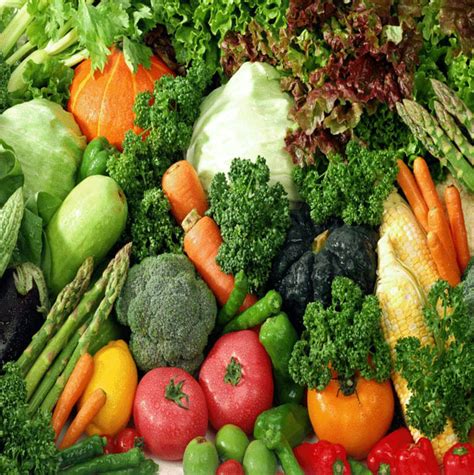
When vegetables are cut small enough, they become virtually invisible. Grate zucchini or carrots into meatloaf, meatballs, or burger patties. They add moisture and nutrients without altering the taste significantly. Finely chopped mushrooms can extend ground meat dishes, adding an earthy umami flavor. Shredded cabbage or bell peppers can disappear into casseroles, stir-fries, or even scrambled eggs. This method is particularly effective for picky eaters, as the textures are less pronounced.
Strategic Swaps and Hidden Layers
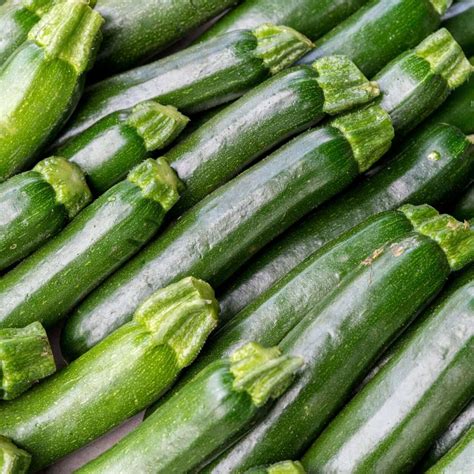
Beyond blending and grating, consider direct swaps or clever layering. Replace traditional pasta with zucchini noodles (zoodles) or spaghetti squash for a lighter, veggie-packed alternative. Use cauliflower rice instead of white rice, especially in stir-fries or as a base for curries. Layer thinly sliced vegetables like spinach, mushrooms, or bell peppers into lasagna or quesadillas. These swaps often replicate the texture and mouthfeel of their carb-heavy counterparts while significantly boosting your nutrient intake.
Don’t Underestimate the Power of Roasting
Roasting vegetables caramelizes their natural sugars, enhancing their flavor and making them incredibly appealing, even to those who claim not to like veggies. Toss broccoli, Brussels sprouts, bell peppers, or asparagus with a little olive oil, salt, and pepper, then roast until tender and slightly charred. Roasted vegetables make an excellent side dish, can be added to salads, or incorporated into grain bowls. The depth of flavor makes them much more enjoyable than their raw or steamed counterparts.

Make Colorful Veggies the Star of Snacks
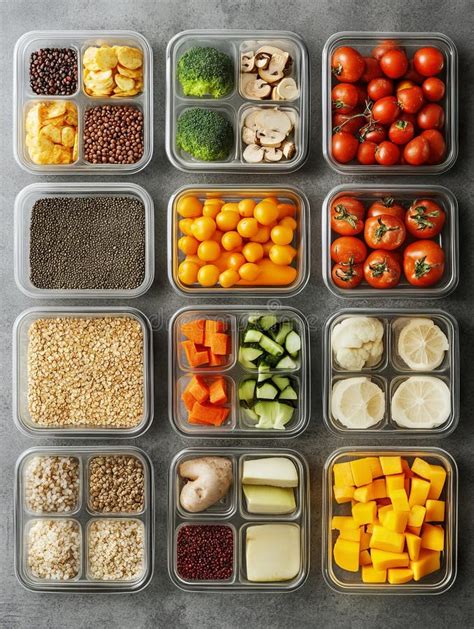
Sometimes the easiest way to eat more vegetables is to have them readily available for snacking. Keep a bowl of pre-cut colorful vegetables like carrot sticks, cucumber slices, bell pepper strips, and cherry tomatoes in your fridge. Pair them with a healthy dip like hummus, guacamole, or a Greek yogurt dip. This simple habit ensures that healthy options are the first thing you reach for when hunger strikes, preventing less nutritious choices.

Conclusion
Incorporating more colorful vegetables into your everyday ‘real food’ meals doesn’t have to be a daunting task. By embracing blending, grating, strategic swaps, roasting, and smart snacking, you can effortlessly elevate the nutritional profile and visual appeal of your dishes. Start with one or two of these methods and gradually expand. You’ll soon discover that eating a rainbow of vegetables is not only easy but also incredibly delicious and satisfying, leading to a healthier, more vibrant you.