
Efficient prep: What are your top knife skills tips for beautiful, consistent veggie cuts?
Achieving perfectly uniform vegetable cuts isn’t just about aesthetics; it’s a cornerstone of good cooking. Consistent sizing ensures even cooking, balanced flavors, and a professional presentation. Whether you’re a novice in the kitchen or looking to refine your culinary prowess, mastering a few key knife skills can dramatically elevate your meal preparation.
The Foundation: Sharpness and Stability
Before even touching a vegetable, ensure your knife is razor-sharp. A dull knife is not only inefficient but also dangerous, requiring more force and increasing the risk of slips. Regularly hone your blade with a steel and periodically sharpen it. Equally crucial is a stable cutting surface – a damp paper towel or non-slip mat beneath your cutting board prevents movement, allowing for more precise and safer cuts.

Master the Grip and Stance
Your grip on the knife is paramount. For most tasks, adopt the ‘pinch grip,’ where your thumb and forefinger pinch the blade just in front of the handle, with the remaining fingers wrapped around the handle. This provides maximum control. Maintain a comfortable, balanced stance, keeping your non-knife hand safe and guiding the food.
The Guiding Hand: Claw Grip
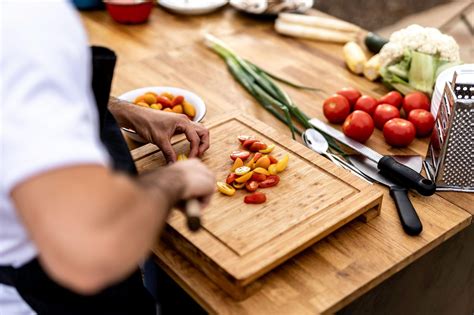
Perhaps the most critical safety and precision technique is the ‘claw grip’ for your guiding hand. Curl your fingertips inwards, tucking them firmly against your knuckles. The side of your knuckles then becomes the guide for the blade, protecting your fingertips while allowing the knife to move smoothly against the food. This technique is indispensable for consistent slicing and dicing.

Stabilizing the Vegetable
Many vegetables have irregular shapes that make them wobbly and difficult to cut precisely. Always aim to create a flat, stable surface first. For example, when cutting a round onion or a long carrot, slice a small section off one side to create a stable base before proceeding with other cuts. This foundational step prevents rolling and ensures safer, more uniform pieces.
Essential Cutting Techniques
Slicing and Dicing
For most vegetables, you’ll employ a combination of slicing and dicing. When slicing, use a gentle rocking motion, allowing the curve of the blade to do the work, moving from the tip to the heel. For dicing, first create uniform planks or sticks (julienne/batonnet) and then cut across them. Consistency in the initial planks directly translates to consistency in your final dice.
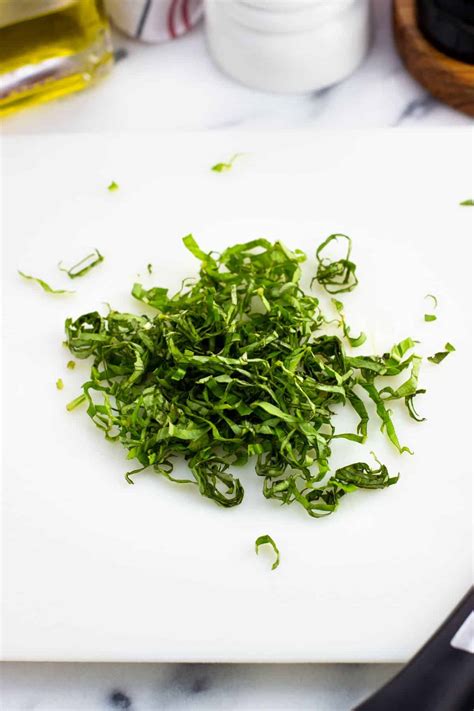
Chiffonade
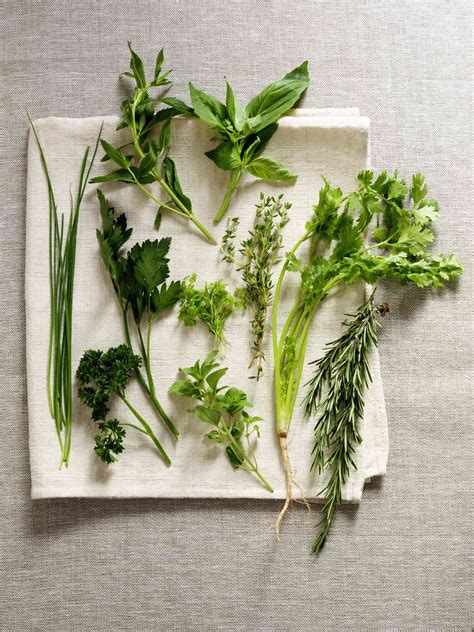
For leafy greens like basil or spinach, the chiffonade technique creates thin, delicate ribbons. Stack several leaves, roll them tightly like a cigar, and then slice perpendicularly across the roll. This technique is not only beautiful but also prevents bruising.
Practice Makes Perfect
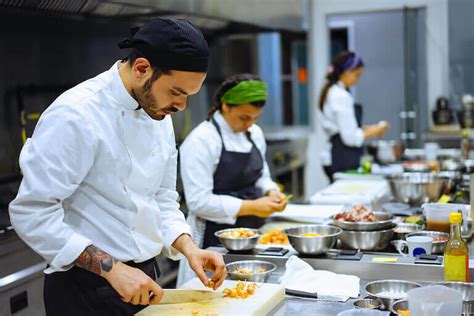
Achieving beautiful, consistent veggie cuts is a skill that develops with practice. Don’t be discouraged if your first attempts aren’t perfect. Start with forgiving vegetables like potatoes or carrots. Focus on slow, deliberate movements before increasing your speed. With consistent effort, you’ll develop muscle memory and confidence, making meal prep more enjoyable and efficient.

Mastering knife skills transforms cooking from a chore into an art. By focusing on a sharp knife, proper grip, the protective claw, and consistent techniques, you’ll not only enhance the visual appeal of your dishes but also improve their texture and flavor, leading to a more satisfying culinary experience.