Efficient veggie prep: How to slice & dice for consistent, beautiful plating?
Transforming raw vegetables into culinary masterpieces begins long before they hit the pan. The secret to professional-looking dishes and a stress-free cooking experience often lies in efficient and consistent vegetable preparation. Mastering the art of slicing and dicing not only speeds up your kitchen workflow but also ensures even cooking and elevates the visual appeal of your plating.
Why Consistent Prep Matters
Imagine a stir-fry where every piece of carrot, bell pepper, and onion cooks at the same rate, resulting in perfect texture in every bite. This isn’t magic; it’s the outcome of uniform cuts. Inconsistent sizing leads to some pieces being overcooked and mushy while others remain raw and crunchy. Beyond functionality, consistency is key to aesthetics. Beautiful plating starts with ingredients that look deliberate and well-executed.
Essential Tools for Precision
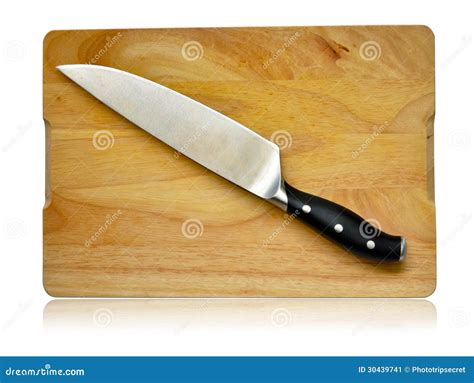
Before diving into techniques, ensure you have the right equipment. A sharp chef’s knife (8-10 inches) is your best friend. A dull knife is not only inefficient but also dangerous, requiring more force and increasing the risk of slips. Pair it with a sturdy, non-slip cutting board, and consider a vegetable peeler for quick skin removal.
Mastering Basic Vegetable Cuts
Understanding a few fundamental cuts will unlock a world of culinary possibilities. Practice makes perfect, so don’t be afraid to start with humble vegetables like carrots or potatoes.
The Julienne and Brunoise
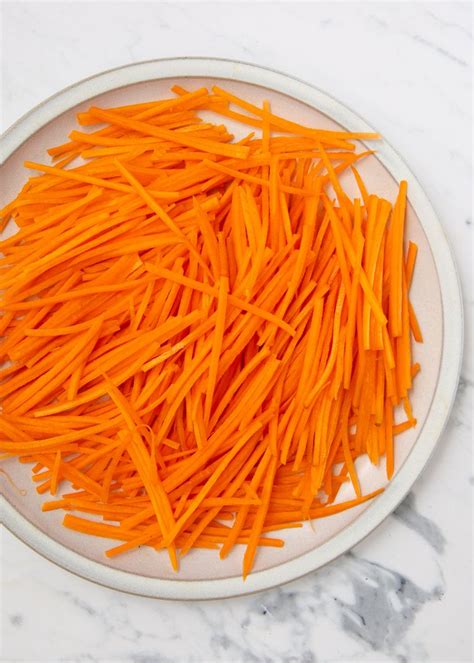
The julienne cut, often called a matchstick cut, involves slicing vegetables into thin, uniform strips, typically 1/8 inch by 1/8 inch by 1-2 inches long. It’s excellent for salads, garnishes, or quick-cooking stir-fries. To achieve this, first, square off the vegetable for stability, then slice into thin planks, stack them, and slice again into sticks. The brunoise is the next step: taking your perfectly julienned vegetables and dicing them into tiny, uniform cubes, about 1/8 inch all around. This cut is perfect for fine garnishes, exquisite sauces, or sophisticated fillings.
Dicing for Every Dish
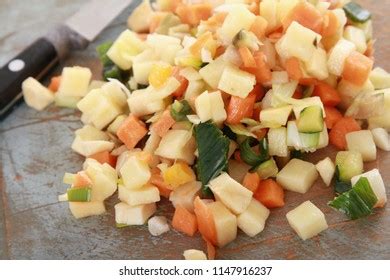
Dicing refers to cutting vegetables into cubes. The size varies depending on the dish:
- Small Dice: 1/4 inch cubes, ideal for delicate dishes, fillings, or finely textured sauces.
- Medium Dice: 1/2 inch cubes, a versatile all-purpose size for soups, stews, and roasted vegetables.
- Large Dice: 3/4 inch cubes, perfect for hearty stews, slow roasts, or chunky salads where a substantial bite is desired.
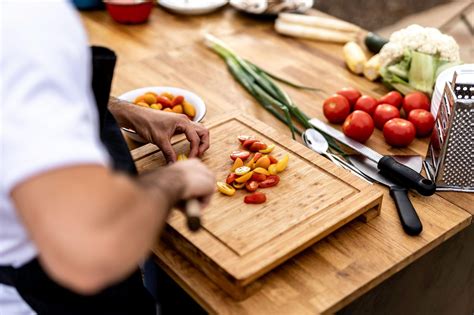
To dice consistently, start by creating a flat surface on your vegetable for stability. Then, slice it into uniform planks, stack the planks, cut them into sticks, and finally, dice the sticks into cubes. Remember, the goal is uniformity, so take your time.
Mincing and Chiffonade
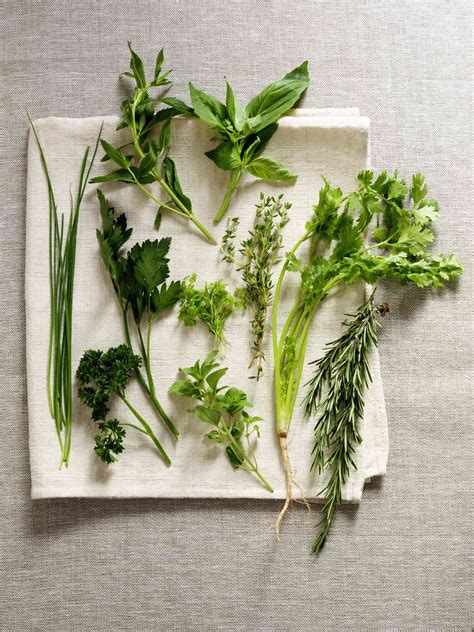
Mincing involves chopping ingredients very finely, almost to a paste-like consistency, such as garlic or herbs. This ensures their flavor disperses evenly throughout a dish. The key is a sharp knife and repeated, small chopping motions.
Chiffonade is a technique specifically for leafy green vegetables (like basil, spinach, or lettuce). You stack leaves, roll them tightly like a cigar, and then slice across the roll to create fine ribbons. It’s fantastic for garnishes or to incorporate delicate greens into dishes without bruising them.
Techniques for Consistent Results and Safety
Consistency isn’t just about the cut; it’s about technique:
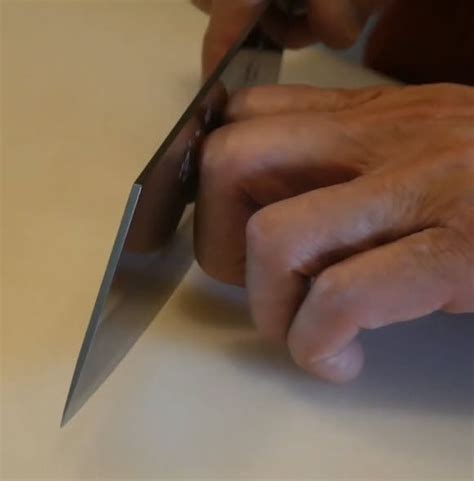
- The Claw Hand: Always curl your fingertips under, pressing your knuckles against the blade of the knife. This protects your fingers and guides the knife for straight, even cuts.
- Stable Base: Always create a flat base on round or irregular vegetables before cutting them further. This prevents rolling and potential accidents.
- Proper Knife Grip: Hold the knife by pinching the blade with your thumb and index finger, then wrapping your remaining fingers around the handle. This offers maximum control.
- Batching: When processing large quantities, batch similar vegetables together and make the same cut on all of them before moving to the next. This streamlines the process.
Elevating Your Plating with Uniform Veggies
Once you’ve mastered the cuts, their impact on plating is undeniable. Uniformly sliced and diced vegetables add a professional polish to any dish. They create visual harmony, allow for interesting patterns, and make your food look more appetizing. Consider contrasting colors and textures, arranging your precisely cut vegetables in layers, or as a vibrant bed for your main protein. A simple garnish of chiffonaded herbs can tie the whole dish together.

Conclusion
Efficient and consistent vegetable preparation is a cornerstone of great cooking. It’s a skill that saves time, enhances flavors through even cooking, and transforms your dishes into visual feasts. Invest in a good knife, practice the fundamental cuts, and always prioritize safety. With a little patience and dedication, you’ll soon be slicing and dicing like a pro, taking your kitchen creations from ordinary to extraordinary.