Elevate everyday dishes: Top 3 visual plating hacks for stunning home meals?
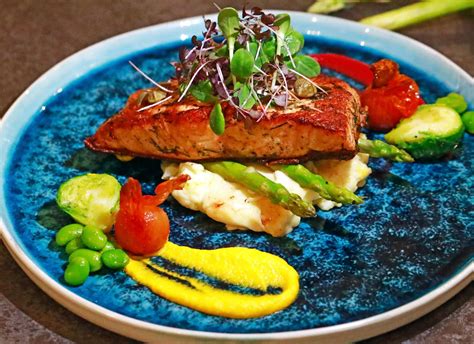
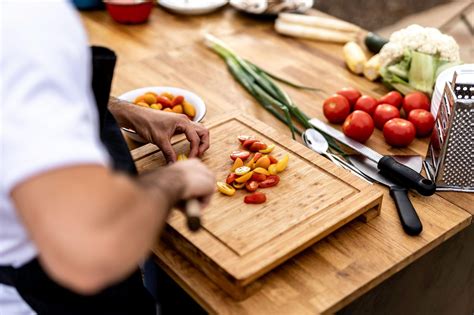
Ever wonder why a dish tastes even better at a restaurant? Often, it’s not just the ingredients or the chef’s secret recipe, but the artistry of its presentation. Plating your food beautifully can significantly enhance the dining experience, even for simple home meals. You don’t need to be a gourmet chef to make your everyday dishes look extraordinary. With a few simple visual hacks, you can transform your kitchen into a five-star culinary studio. Let’s dive into three easy-to-implement plating techniques that will make your home-cooked meals truly stunning.
Hack 1: The Art of Arrangement – The Rule of Odds and Triangles
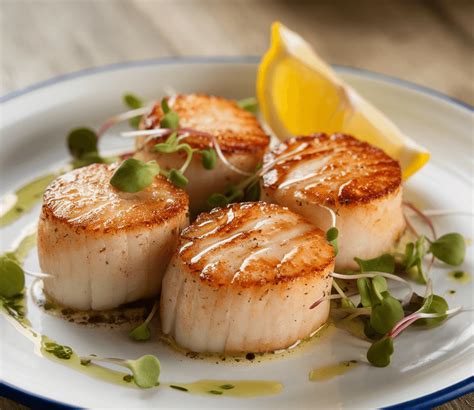
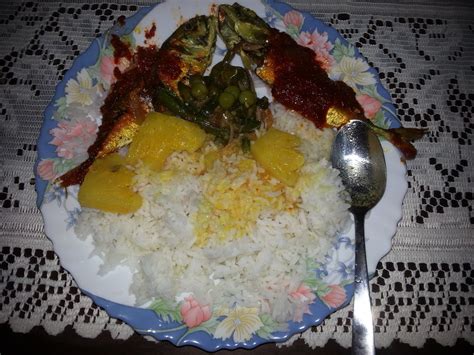
One of the most fundamental principles in visual design, including food plating, is the “rule of odds.” This concept suggests that elements arranged in odd numbers (like 3, 5, or 7) are more visually appealing and dynamic than even numbers. When plating, think about arranging your main components in groups of three. For instance, if you have meatballs, serve three or five rather than two or four. This creates a more natural and balanced look.
Beyond the rule of odds, consider the “triangle plating” method. Imagine an invisible triangle on your plate and place your main protein at one point, your starch at another, and your vegetables or sauce at the third. This classic approach ensures balance and guides the eye across the plate. Don’t just plop food down; consciously arrange each element to create visual harmony and movement.
Hack 2: Embrace Color and Contrast for Visual Punch
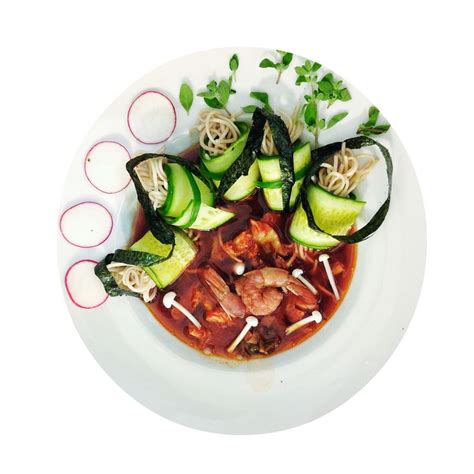
Food isn’t just about taste; it’s a feast for the eyes. Incorporating a variety of colors and textures can dramatically elevate a dish’s appeal. Think beyond monochrome. If your main dish is a uniform color (like a creamy pasta or a brown stew), introduce contrasting elements. A sprinkle of fresh green herbs, a vibrant red cherry tomato, or a dash of bright orange paprika can instantly add life and excitement to the plate.
Texture also plays a crucial role. A dish with varying textures, like crispy fried onions on a smooth soup, or crunchy nuts over soft risotto, offers a more interesting eating experience. Aim for at least 2-3 distinct colors and textures on your plate. This not only makes the food look more appetizing but also signals a broader range of flavors and nutrients, stimulating the appetite before the first bite.

Hack 3: The Magic of Garnish and Finishing Touches
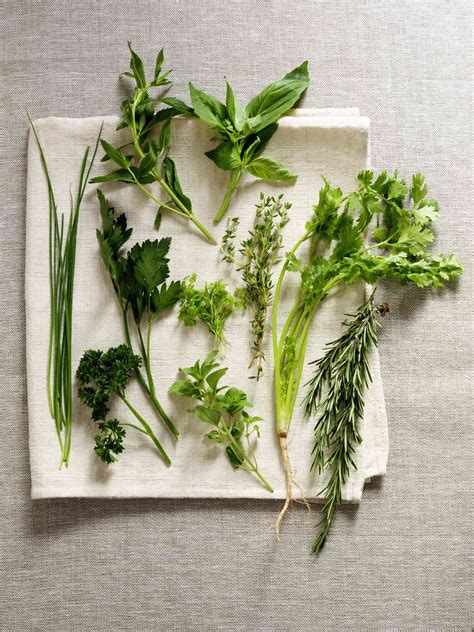
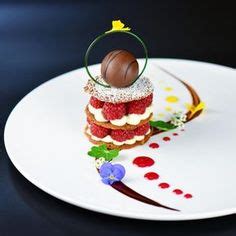
Often, the difference between a good-looking dish and a great-looking one lies in the final flourishes. Garnishes are not just decorative; they can add complementary flavors, aromas, and textures. A sprig of fresh rosemary, a swirl of extra virgin olive oil, a dusting of finely grated Parmesan, or a few edible flowers can transform a simple meal into something special.
Consider the sauce as a decorative element too. Instead of just spooning it over everything, try drizzling it artfully around the main components, or creating a swoosh with the back of a spoon. A clean plate edge is also paramount – wipe away any accidental drips or smudges before serving. These small, thoughtful details demonstrate care and attention, making the meal feel more luxurious and inviting.
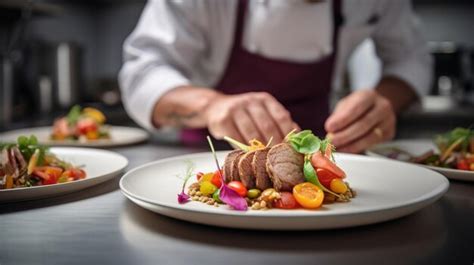
Plating your food beautifully is a simple yet powerful way to elevate your everyday home dining experience. By focusing on thoughtful arrangement, vibrant colors, and meticulous finishing touches, you can turn ordinary meals into extraordinary culinary presentations. So, next time you’re cooking, take an extra minute to plate with intention. Your eyes, and your taste buds, will thank you!