Elevate everyday meals: how to plate simple real food beautifully?

Why Plating Matters for Everyday Meals
In our fast-paced world, the joy of a home-cooked meal often lies in its simplicity and wholesome ingredients. But what if you could transform your everyday dishes—a simple roasted chicken, a colorful salad, or a hearty lentil soup—into something visually stunning without adding extra complexity? The art of food plating isn’t reserved for Michelin-starred restaurants; it’s a powerful tool anyone can use to elevate their dining experience, making each meal feel more intentional, appealing, and enjoyable. Beautifully plated food stimulates the senses before the first bite, enhancing perceived taste and satisfaction.
The Foundation: Choosing Your Canvas
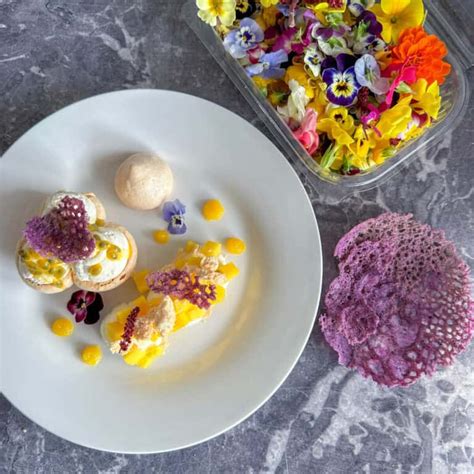
Before you even think about arrangement, consider your plate. The right “canvas” can make all the difference. Opt for simple, solid-colored plates, especially white, as they allow your food’s natural colors to pop. Avoid overly patterned plates that can compete with your dish. Size matters too; don’t overcrowd a small plate, but also avoid making a small portion look lonely on an oversized one. A good rule of thumb is to leave some negative space around the edges, letting the food breathe and the presentation stand out.

Mastering Arrangement: Balance and Flow
Think of your plate as a clock face or a painter’s palette. Generally, protein goes at 6 o’clock, starch at 9 o’clock, and vegetables at 3 o’clock. However, for simpler dishes, it’s more about creating balance and visual flow. Consider the “rule of odds,” grouping items in odd numbers (e.g., three asparagus spears instead of two) for a more dynamic look. Build height where appropriate—a small stack of roasted vegetables or a mound of grain can add dimension. Don’t be afraid to leave some empty space; it guides the eye and prevents the plate from looking cluttered.

Color, Texture, and Contrast: The Spice of Life
Even simple ingredients offer a wealth of colors and textures. A monochromatic dish can be visually boring, so consciously incorporate elements that provide contrast. If your main dish is brown (like a stew), add a sprinkle of fresh green herbs or a dollop of bright red tomato salsa. Consider different textures too: crispy croutons on a creamy soup, crunchy nuts on soft roasted vegetables, or a smooth sauce alongside a rough-cut protein. These contrasts aren’t just for flavor; they add depth and interest to the visual appeal.
The Finishing Touches: Garnishes and Drizzles
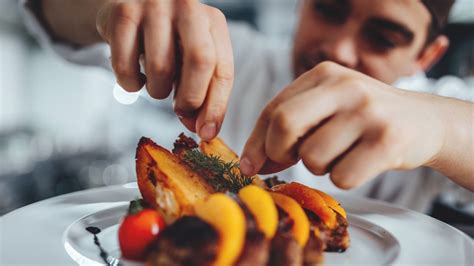
Often, it’s the small details that make the biggest impact. Garnishes aren’t just for decoration; they should be edible and complement the dish. A sprig of fresh parsley, a few toasted sesame seeds, a sprinkle of chili flakes, or a delicate microgreen can instantly elevate a plate. Similarly, a final drizzle of a flavorful olive oil, a swirl of balsamic glaze, or a dotting of a vibrant sauce (even a simple yogurt sauce) can add a professional touch and unify the elements on the plate. Remember, less is often more; avoid over-garnishing.
Practical Tips for Everyday Plating
- Keep it Clean: Always wipe the edges of your plate with a clean cloth before serving. Smudges detract from even the most beautiful presentation.
- Use Tools: Tongs, spoons, and even a small offset spatula can help you place ingredients precisely.
- Think in Layers: Start with your base (rice, pasta, greens), add your main protein, then vegetables, and finally garnishes or sauces.
- Don’t Overthink It: The goal isn’t perfection, but enhancement. Start with one new technique per week and build your confidence.
- Be Inspired: Look at food magazines, cookbooks, or social media for ideas, but adapt them to your simple, real food.
Conclusion
Elevating your everyday meals through beautiful plating is a simple, enjoyable practice that doesn’t require complex recipes or exotic ingredients. It’s about paying attention to details, understanding basic principles of aesthetics, and bringing a touch of artistry to your kitchen. By investing a few extra moments in presentation, you not only enhance the visual appeal of your food but also deepen your appreciation for the act of cooking and eating, transforming every meal into a mini culinary celebration.