Elevate everyday meals: Quick plating tips for foodie-worthy photos?
In the age of social media, our meals are often just as much about the visual appeal as they are about taste. Turning a simple weeknight dinner into a foodie-worthy masterpiece doesn’t require culinary school; it just takes a few smart plating tricks. Elevate your everyday cooking and impress your followers (and your family!) with these quick and easy tips for making your dishes look picture-perfect.
Why Plating Matters for Your Food Photos
Think about your favorite restaurant dishes – they’re not just delicious; they’re often works of art. Plating is the culinary equivalent of dressing your food for success. It enhances the perceived value of your dish, makes it more appetizing, and most importantly for our purposes, makes it incredibly photogenic. A beautifully arranged plate tells a story, highlights key ingredients, and invites the viewer to imagine the flavors.
You don’t need fancy equipment or exotic ingredients to make a difference. Even a simple stir-fry or a hearty sandwich can be transformed with a little thought and creativity. The goal is to make your food pop off the plate and look as good as it tastes, ready for its close-up.
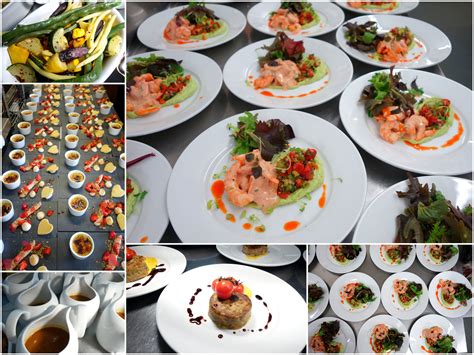
The Foundations: Quick Plating Principles
Before diving into specific techniques, understand a few basic principles:
- Color Contrast: Use ingredients with contrasting colors to make the dish visually interesting. A sprinkle of fresh green herbs on a rich red sauce, or vibrant vegetables on a neutral background, can make a huge difference.
- Texture Variety: Incorporate different textures – crunchy, creamy, smooth, crisp – to add depth. These not only appeal to the palate but also add visual interest.
- Height and Layers: Build your dishes upwards rather than spreading them flat. Stacking elements (like a burger, or even layered vegetables) adds dimension and makes the dish more dynamic.
- Negative Space: Don’t crowd the plate. Leaving some empty space around your food helps the main elements stand out and gives the dish a clean, professional look.
Quick Plating Techniques for Instant Appeal
1. The Swish and Smear
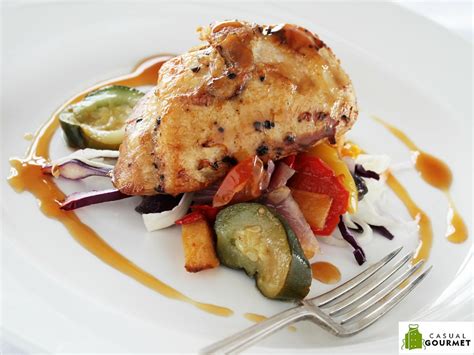
For sauces, purees, or spreads, instead of just dolloping them, try a swish or smear technique. Place a spoonful on the plate and use the back of the spoon to create an elegant arc or a bold streak. This instantly elevates the presentation and makes the dish feel more gourmet.
2. The Art of the Garnish
Garnishes are your best friend for quick visual impact. Think beyond just a sprig of parsley:
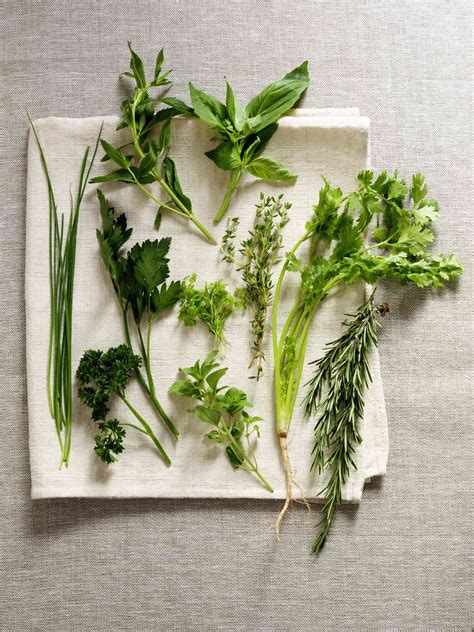
- Fresh Herbs: Chopped chives, cilantro, dill, or mint add color and freshness.
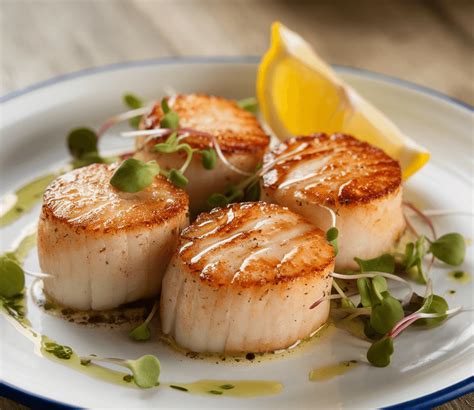
- Citrus Zest/Wedges: A grating of lemon or lime zest, or a small wedge, adds a pop of color and brightness.
- Toasted Seeds/Nuts: Sesame seeds, pumpkin seeds, slivered almonds, or crushed pistachios add texture and visual intrigue.
- Edible Flowers: For a truly elegant touch, edible flowers can transform a dish.
3. Wipe Your Plate Rim
This is a fundamental rule in professional kitchens. Before serving, take a clean damp cloth or paper towel and wipe away any drips, smudges, or stray food particles from the rim of the plate. A clean canvas makes your food look much more intentional and appealing.
4. Odd Numbers and the Rule of Thirds
Arranging elements in odd numbers (e.g., three scallops instead of two) often looks more natural and aesthetically pleasing. Mentally divide your plate into thirds (like a tic-tac-toe board) and place your focal points where the lines intersect. This creates balance and draws the eye.
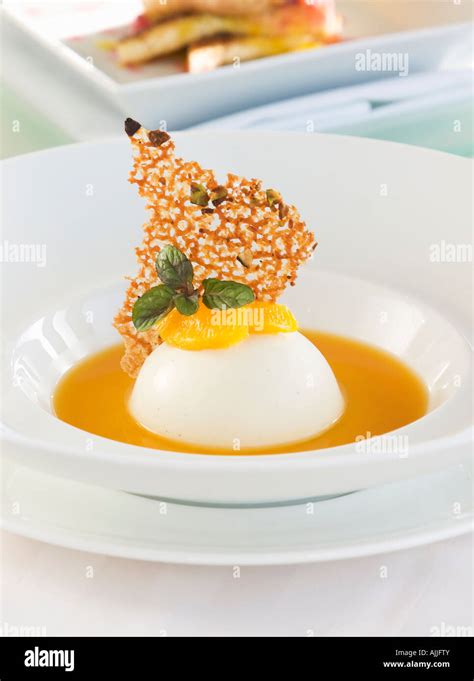
Lighting and Angles: Beyond the Plate
1. Embrace Natural Light
The best light for food photography is natural, diffused light. Position your plate near a window but out of direct sunlight. If the light is too harsh, use a thin white curtain or parchment paper to soften it. Avoid overhead kitchen lights, which can cast harsh shadows and give your food an unappetizing yellow tint.
2. Choose Your Angle Wisely
- Overhead Shot (Flat Lay): Perfect for bowls, pizzas, tacos, or dishes with many components where you want to show the entire spread.
- 45-Degree Angle: A versatile and flattering angle for almost any dish, mimicking how we naturally view our food.
- Straight-On (Eye-Level): Ideal for showing off height and layers, like burgers, sandwiches, or stacked desserts.
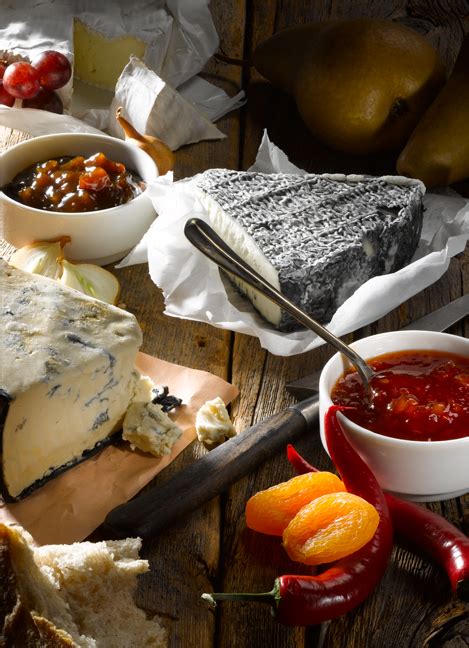
Simple Props and Backgrounds
You don’t need a professional studio. Simple additions can make a big difference:
- Minimalist Backgrounds: A plain tabletop, a wooden cutting board, or even a simple linen napkin can serve as a great backdrop. Avoid busy patterns that distract from the food.
- Textiles: A folded napkin, a dish towel, or a placemat can add texture and color to your composition.
- Utensils and Ingredients: A strategically placed fork, a knife, or a few scattered raw ingredients (like a lemon or some herbs) can add context and visual interest.
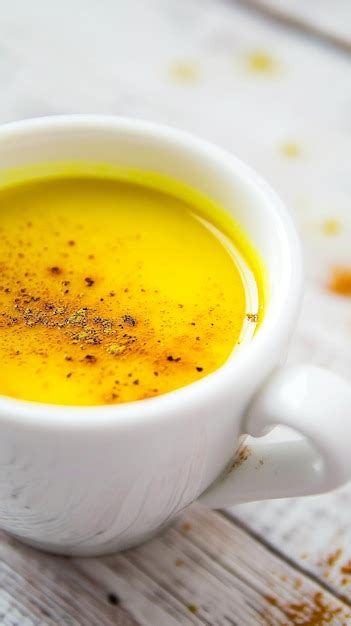
Practice Makes Perfect (and Yummy)
The beauty of these tips is that they’re easy to integrate into your daily cooking routine. Start with one or two ideas – maybe a quick garnish or wiping the plate rim – and gradually experiment with more complex arrangements. Soon, you’ll be instinctively plating your meals like a pro, creating dishes that are not only delicious but also consistently ready for their close-up. Happy plating, and get ready to flood your feed with gorgeous, foodie-worthy photos!