Elevate home dish visuals: what plating tricks impress real foodies?
Are you tired of your delicious home-cooked meals looking, well, a little… plain? While taste is paramount, the visual appeal of a dish can significantly enhance the dining experience, even for the most seasoned foodies. Transforming a simple plate into a culinary work of art doesn’t require a professional kitchen or years of training. With a few clever plating tricks, you can elevate your home dishes from delicious to downright dazzling.
The Foundation: Choose Your Canvas Wisely
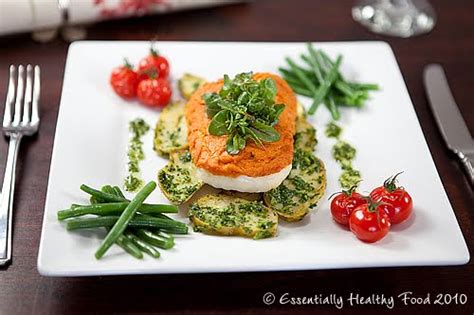
Before you even think about arranging food, consider the plate itself. White, neutral-colored plates are often preferred as they allow the food’s colors to pop without distraction. Round plates are classic, but square or rectangular dishes can offer a modern edge. The size matters too – don’t overcrowd a small plate, but also avoid making a dish look sparse on an oversized one. Aim for negative space, where about one-third of the plate remains empty, drawing the eye to the main event.

Mastering Color, Texture, and Contrast
A truly impressive dish is a feast for the eyes, incorporating a vibrant palette and a variety of textures.
- Color: Think about complementary and contrasting colors. A bright green garnish against a rich red sauce, or a golden-brown sear next to a creamy white puree, creates visual interest. Don’t let your plate be monochrome; add a pop of color with fresh herbs, a vibrant vegetable, or a fruit compote.
- Texture: Incorporate different textures. A crispy element (like a crouton or fried onion), a smooth puree, a tender protein, and fresh greens all contribute to a more dynamic mouthfeel and visual appeal. This contrast prevents the dish from looking flat or uniform.

Building Height and Dimension
Flat food is boring food, visually speaking. Professional chefs are masters at building dishes upwards, creating inviting three-dimensional presentations.
- Stacking: Neatly stack ingredients, such as alternating layers of vegetables and protein, or placing your main component atop a bed of grains or a dollop of puree.
- Leaning: Instead of lying flat, lean components against each other. A perfectly seared scallop can lean against a vegetable medley, or asparagus spears can stand upright.
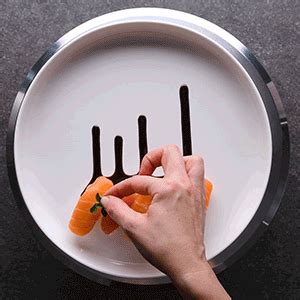
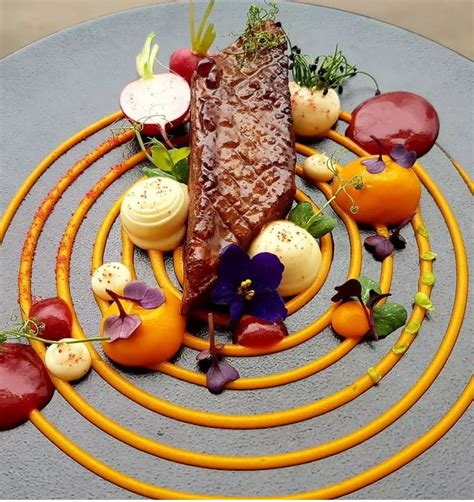
- Saucing: Apply sauces deliberately, using squeeze bottles or spoons to create dots, swirls, or drags. A sauce can act as a “glue” to help components stay in place while adding color and moisture.

The Art of Garnishing and Finishing Touches
Garnishes aren’t just for show; they can add flavor and aroma while completing the visual story of your dish.
- Fresh Herbs: A sprig of parsley, cilantro, or rosemary instantly freshens a plate. Chop herbs finely for a delicate finish or leave larger leaves for a bolder statement.
- Microgreens: These tiny greens add a touch of gourmet elegance and a slight peppery or nutty flavor.
- Edible Flowers: For special occasions, edible flowers can add stunning color and a delicate touch.
- Spices and Zest: A sprinkle of paprika, chili flakes, or a grating of citrus zest can provide both visual flair and an aromatic boost.
- The Wipe-Down: Always inspect your plate before serving. Use a clean cloth or paper towel to wipe away any drips, smudges, or fingerprints from the rim of the plate. A clean rim screams professionalism.
Embrace the Rule of Odds (and Asymmetry)
While symmetry can be beautiful, asymmetry often feels more dynamic and natural in food presentation. When arranging components, try to use odd numbers (3, 5, 7) of items if possible. For instance, three scallops look more appealing than two or four. Placing elements slightly off-center or in a zigzag pattern can also create a more artistic and less rigid appearance, guiding the diner’s eye across the plate.

Conclusion
Elevating your home dish visuals is an enjoyable and rewarding aspect of cooking. By paying attention to details like plate choice, color contrast, height, thoughtful garnishes, and intentional arrangement, you can transform everyday meals into memorable culinary experiences. These simple plating tricks don’t just make your food look better; they make it taste better by setting the stage for a delightful sensory journey. So next time you’re in the kitchen, grab a clean plate and get creative – your inner foodie, and your guests, will thank you!