Elevate recipe presentation: Tips for vibrant colors & stunning plating?

The Art of Visual Gastronomy: Why Presentation Matters
In the culinary world, taste is paramount, but sight often takes the first bite. The visual appeal of a dish can significantly enhance the dining experience, making even simple recipes feel gourmet. Mastering the art of food presentation, from vibrant colors to stunning plating techniques, elevates your cooking from merely sustenance to an act of creative expression. Let’s explore how to transform your dishes into edible masterpieces that delight both the palate and the eye.
Mastering Vibrant Colors: A Feast for the Eyes
Color is the most immediate sensory trigger in food presentation. Bright, natural hues signal freshness, flavor, and health. Here’s how to maximize your dish’s chromatic charm:
1. Start with Fresh, High-Quality Ingredients
The foundation of vibrant presentation lies in the quality of your ingredients. Fresh, seasonal produce naturally boasts more intense and appealing colors. Opt for crisp greens, deeply colored berries, and richly hued vegetables, as their natural pigments will shine through.
2. Embrace Natural Color Contrasts
Thoughtful juxtaposition of colors can make a dish pop. Pair dark greens with bright reds, or creamy whites with earthy browns. Consider the color wheel: complementary colors (like red and green, or yellow and purple) create dynamic and appealing contrasts that draw the eye.
3. Cooking Techniques that Preserve Vibrancy
The way you cook can dramatically impact color. Blanching vegetables briefly in boiling water followed by an ice bath helps lock in their vibrant green. Roasting can deepen the colors of root vegetables, while grilling adds attractive char marks. Avoid overcooking, which can dull colors and textures.

Principles of Stunning Plating: Crafting Edible Art
Plating is about more than just arranging food; it’s about creating a harmonious composition. Consider these fundamental principles to turn your plate into a canvas:
1. The Rule of Odds and Focal Points
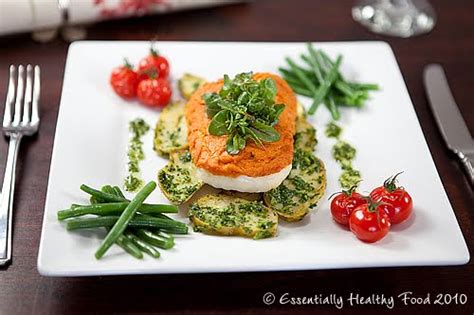
Arrange elements in odd numbers (e.g., three asparagus spears, five scallops) as they are generally more visually appealing and dynamic. Establish a clear focal point – the star of your dish – usually placed slightly off-center to create visual interest.
2. Balance, Height, and Texture
Strive for balance in your plating, distributing elements evenly to prevent the dish from looking lopsided. Add height by layering ingredients or stacking components, which adds a professional touch. Incorporate a variety of textures – creamy, crunchy, smooth, crisp – to provide sensory diversity and visual intrigue.
3. Utilizing Negative Space
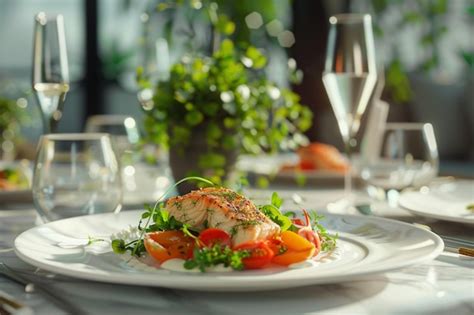
Don’t overcrowd the plate. Negative space, the empty areas on your plate, is crucial for allowing each component to breathe and be appreciated. It guides the eye and prevents the dish from appearing messy or overwhelming.
Practical Plating Techniques for Home Cooks
Ready to put theory into practice? These techniques are easily adaptable for any home kitchen:
1. The Power of the Garnish
Garnishes are not just for decoration; they add flavor, texture, and a final burst of color. Think fresh herbs (chives, parsley, cilantro), edible flowers, citrus zest, or a sprinkle of toasted nuts. Ensure your garnish complements the dish’s flavors.
2. Sauces and Drizzles: Adding Elegance
Sauces can be integral to plating. Use squeeze bottles or spoons to create elegant drizzles, swirls, or dots. A well-placed swipe of purée or a precisely poured reduction can elevate the entire presentation and tie the dish together.
3. Choosing the Right Canvas: Dishware Matters
The plate itself is your canvas. White plates are often preferred as they make food colors pop, but consider other colors and shapes that complement your dish. Ensure your plate is clean, free of smudges, and appropriately sized for the portion.

Advanced Tips for Professional Appeal
To truly master the art of food presentation, consider these additional insights:
1. Cleanliness is Key
Before serving, always wipe the rim of your plate with a clean, damp cloth or paper towel to remove any drips, smudges, or stray ingredients. A pristine plate immediately conveys professionalism and attention to detail.
2. Consider Your Audience
While artistic plating is great, adjust the complexity based on the dining occasion. A casual family dinner might benefit from rustic charm, while a special occasion calls for more refined aesthetics.
3. Practice Makes Perfect
Like any skill, food presentation improves with practice. Experiment with different arrangements, garnishes, and plating tools. Don’t be afraid to try new things and find what works best for you and your dishes.

Conclusion: Elevate Every Meal
Elevating your recipe presentation through vibrant colors and stunning plating is a rewarding endeavor that transforms ordinary meals into extraordinary culinary experiences. By paying attention to the freshness of ingredients, thoughtful arrangement, and meticulous finishing touches, you not only make your food look more appetizing but also communicate passion and care to those you feed. So, grab your tongs, your squeeze bottles, and your creativity – it’s time to make every dish a masterpiece.