Elevate rustic recipes: what simple plating techniques yield stunning visual feeds?

Rustic food, by its very nature, celebrates hearty flavors, comfort, and tradition. Think bubbling stews, crusty artisan breads, roasted root vegetables, and generously portioned casseroles. While the focus is often on taste and sustenance, a little attention to plating can dramatically elevate these humble dishes, transforming them into works of art that are as pleasing to the eye as they are to the palate. And in today’s visual world, a beautifully plated dish is also a social media star. Let’s explore simple techniques to make your rustic creations visually irresistible.
The Foundation: Choosing Your Canvas and Keeping it Clean
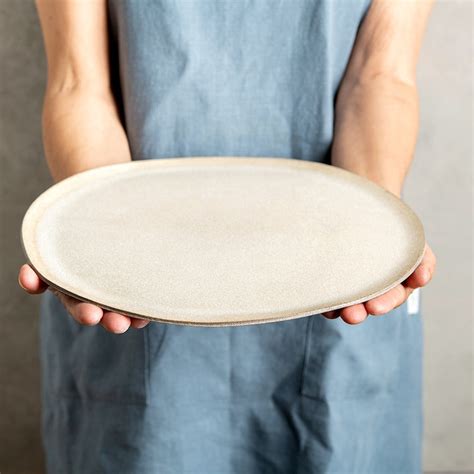
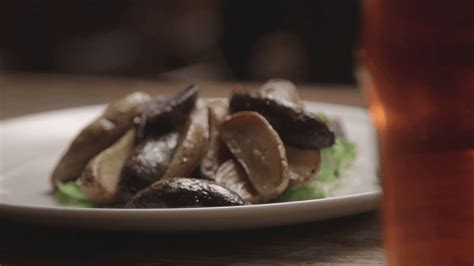
Plating begins before the food even touches the plate. The vessel you choose plays a crucial role. For rustic dishes, opt for plates, bowls, or platters with a matte finish, earthy tones, or handmade ceramics that complement the natural aesthetic of the food. Think deep blues, forest greens, natural wood, or classic cream and off-white. Avoid overly ornate or brightly colored plates that might compete with your dish.
Equally important is a clean canvas. Before serving, wipe the rim of your plate or bowl with a clean cloth to remove any drips, smudges, or stray ingredients. A pristine border frames your food beautifully and signals attention to detail.
Building Blocks: Arrangement, Height, and the Rule of Odds
How you arrange components on the plate can make a huge difference. Instead of simply dumping food, think about creating visual interest:
- Focal Point: Designate a main component (e.g., a perfectly seared piece of meat, a vibrant vegetable stack) and build around it.
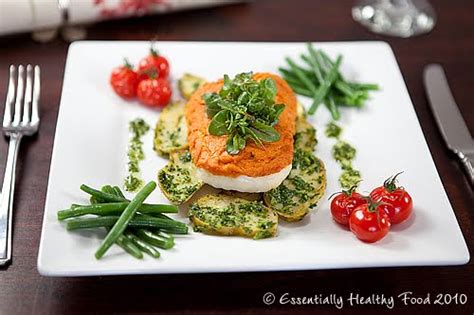
- Rule of Odds: Arrange components in odd numbers (e.g., three asparagus spears, five roasted potatoes). This creates a more dynamic and visually appealing composition than even numbers.
- Creating Height: Rustic dishes can sometimes look flat. Add height by stacking ingredients (e.g., a mound of mashed potatoes, layered root vegetables, or a carefully placed protein). This adds dimension and makes the plate look more substantial and thoughtfully prepared.
- Negative Space: Don’t overcrowd the plate. Leave some empty space (negative space) around your food. This allows the eye to rest and highlights the beauty of the dish.
The Art of Contrast: Color and Texture
Rustic dishes often feature rich, earthy colors like browns, deep reds, and greens. While beautiful, too much of one color can make a dish look monotonous. Introduce contrasting colors to make your plate pop.
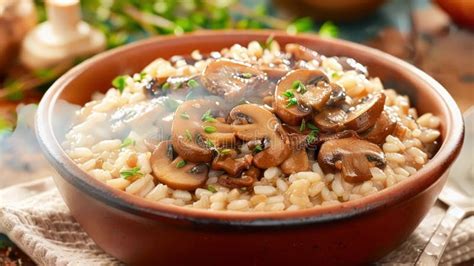
- Vibrant Veggies: A sprinkle of fresh parsley, cilantro, chives, or a dash of finely diced red bell pepper can brighten a stew or casserole instantly.
- Citrus Zest: A grating of lemon or orange zest adds both color and an aromatic zing.
- Textural Delights: Contrast soft textures with crunchy ones. Think crispy croutons on a creamy soup, toasted nuts on a vegetable dish, or a sprinkling of flaky sea salt on a roast. A mix of textures makes each bite more interesting and the plate more appealing.
Finishing Touches: Garnishes and Drizzles
These are the final flourishes that transform a good dish into a stunning one:
- Fresh Herbs: A sprig of rosemary, a few basil leaves, or a scatter of chopped chives are simple, effective garnishes.
- Microgreens/Edible Flowers: For a more refined touch, microgreens or edible flowers can add delicate color and a hint of freshness.
- Sauces and Oils: Drizzle sauces or oils artfully. Use a spoon or a squeeze bottle to create lines, dots, or swirls. A swirl of crème fraîche on soup or a zigzag of balsamic glaze adds sophistication.
- Dustings: A light dusting of paprika, cocoa powder (for desserts), or even powdered sugar can add a professional finish.
Practical Tips for Home Cooks
You don’t need to be a Michelin-starred chef to plate beautifully. Here are a few practical pointers:
- Keep it Simple: Don’t overdo it. Sometimes, less is more. A few thoughtful touches are better than an overloaded plate.
- Practice Makes Perfect: Experiment with different arrangements. Take photos of your work to see what looks best from various angles.
- Consider the Lighting: If you’re photographing your food, natural, diffused light is your best friend. Avoid harsh overhead lighting.
- Taste as You Go: Remember, the visual appeal enhances the experience, but the flavor is paramount. Ensure your plating choices don’t compromise the dish’s temperature or taste.
Elevating rustic recipes through simple plating techniques is a rewarding endeavor. It transforms your home-cooked meals from mere sustenance into memorable dining experiences. With a little creativity and attention to detail, you can easily turn your comforting classics into visually stunning feasts that delight both the eyes and the stomach.