Elevate simple plating for impressive food photos?

Transforming Everyday Meals into Visual Feasts
Many home cooks create delicious food, but struggle to make it look as good as it tastes in photos. Simple plating techniques can bridge this gap, turning an ordinary dish into a share-worthy masterpiece. You don’t need to be a Michelin-star chef to create visually appealing meals; often, a few thoughtful adjustments are all it takes to make your food pop on camera.
The Foundation: Your Plate and Your Palette
Choosing the right plate is crucial. White or neutral-colored plates allow your food to stand out, acting as a clean canvas. Consider the size and shape – don’t overcrowd a small plate, but also avoid making a single portion look lost on a large one. The goal is balance.
Next, think about the interplay of colors and textures. A dish with varying colors and textures is inherently more appealing. If your food is monochromatic, consider colorful garnishes or a contrasting sauce to add visual interest and depth. This thoughtful approach to your ingredients’ visual qualities can dramatically improve your final shot.

Mastering Plating Techniques
The Rule of Thirds and Odd Numbers: Just like in photography, placing key elements off-center can create more dynamic compositions. Arrange components in odd numbers (e.g., three asparagus spears, five shrimp) for visual harmony and a more natural, less rigid look.
Building Height and Dimension: Flat food can look unappetizing. Stack components artfully (e.g., overlapping slices, a mound of grains topped with protein) to add visual interest and depth. Using spoons or tongs for precision can help create these deliberate arrangements.
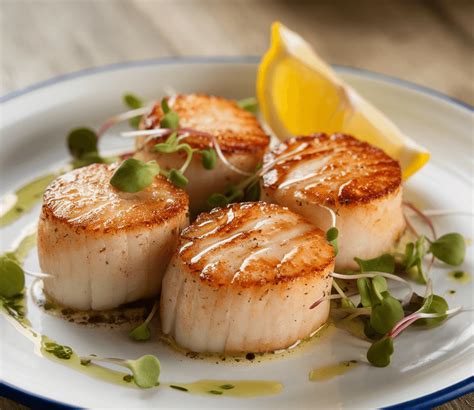
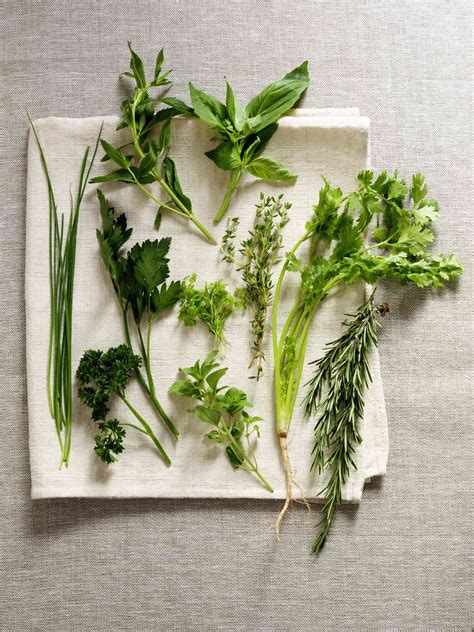
Garnishes and Sauces: These are your finishing touches. A sprinkle of fresh herbs, a drizzle of contrasting sauce, or a few edible flowers can elevate a dish significantly. Remember less is often more; avoid overwhelming the main ingredients. Garnishes should complement, not compete, with the star of the dish.
![Free Food 4k Wallpaper Downloads, [100+] Food 4k Wallpapers for FREE ...](/images/aHR0cHM6Ly90czMubW0uYmluZy5uZXQvdGg/aWQ9T0lQLnBhWm9rUnI2SEZkWFpRb0lBS21EamdIYUVLJnBpZD0xNS4x.webp)
Practical Tips for the Home Cook
Keep it Clean: Always wipe the rim of your plate with a damp cloth or paper towel before photographing. Smudges or drips detract from even the most beautifully plated food. A clean edge provides a professional finish.
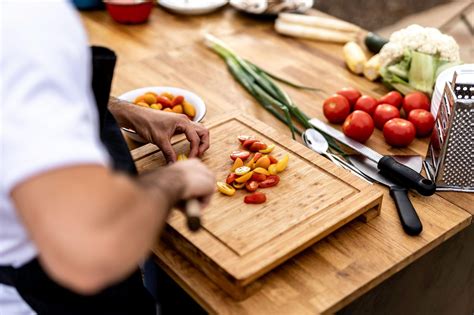
Work Quickly: Food looks its best when fresh. Have your camera ready and lighting set up before you start plating. Components like fresh herbs can wilt, and sauces can dry out, losing their vibrant appeal if you take too long.
Practice Makes Perfect: Don’t get discouraged if your first attempts aren’t perfect. Experiment with different arrangements, angles, and garnishes. Over time, you’ll develop an eye for what looks good and what techniques work best for various types of dishes.

Elevate Your Culinary Story
Simple plating isn’t just about making food look good; it’s about telling a visual story that enhances the dining experience, even through a screen. By applying these straightforward techniques, you can transform your home-cooked meals into stunning photographic subjects, impressing your friends, family, and social media followers alike. Start experimenting today and watch your food photos reach new heights.