Elevating plating: how do Michelin chefs make every dish visually stunning?

The Art of the Plate: Beyond Taste, A Visual Feast
In the world of fine dining, a dish isn’t merely about taste; it’s a multi-sensory experience where sight plays an equally crucial role. Michelin-starred chefs, renowned for their culinary prowess, understand that the visual appeal of a dish can significantly enhance its perceived flavor and overall enjoyment. Plating, for these masters, is not an afterthought but an integral part of the creative process, a canvas where ingredients become brushstrokes and the plate a masterpiece.
So, what are the secrets behind their ability to consistently craft dishes that are as breathtaking to behold as they are delicious to devour? It boils down to a combination of foundational art principles, meticulous technique, and an unwavering commitment to perfection.

Composition and Balance: The Foundation of Visual Appeal
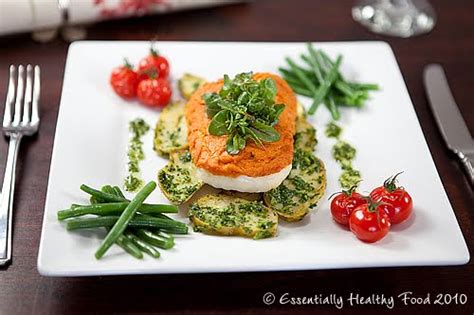
Just like a painter considers composition, a Michelin chef carefully arranges elements on the plate. Balance is paramount. This isn’t just about weight but also about color, texture, and shape. Chefs often employ the ‘rule of thirds’ or ‘odd numbers’ to create dynamic, interesting arrangements rather than static, symmetrical ones. A focal point is established, drawing the diner’s eye to the star ingredient or a particularly intricate component, around which other elements gracefully support and enhance.
Negative space, often overlooked, is equally vital. The empty areas on the plate allow the arranged components to breathe, preventing a cluttered look and emphasizing the artistry of what is present. It guides the eye and adds elegance, making each ingredient feel intentional and valued.
Height, Texture, and Color: Adding Dimension and Contrast
To prevent a dish from looking flat, Michelin chefs expertly introduce height and dimension. This can be achieved through stacking ingredients, creating delicate towers, or using sauces and purees as bases to elevate other components. Mousse, foams, and crisps also contribute to varying levels and visual interest, making the dish seem more dynamic and complex.
Texture contrast is another powerful tool. The interplay of smooth purees, crispy garnishes, tender proteins, and crunchy vegetables creates not only a delightful mouthfeel but also visual intrigue. Similarly, judicious use of color ensures vibrancy and distinction. Bright, fresh colors from herbs, edible flowers, or vibrant vegetable purees are used to pop against more neutral tones, creating a harmonious yet stimulating palette. A dish that looks boring rarely tastes exceptional.
Precision and Tools: The Hands of the Artist
The execution of these plating principles demands extreme precision. Michelin chefs often use an array of specialized tools akin to an artist’s kit: fine-tipped tweezers for placing microgreens or delicate herbs, squeeze bottles for creating precise dots or swooshes of sauce, ring molds for perfect circular portions, and stencils for intricate patterns. Every element is placed with purpose, ensuring clean lines and a pristine finish.
Techniques such as quenelles (oval shapes of soft ingredients), dragging sauces with the back of a spoon, and careful layering are honed over years of practice. The goal is not just beauty, but also to ensure that each component contributes meaningfully to the overall flavor profile while fitting perfectly into the visual narrative.
Ingredients as Art Elements: Beyond Functionality
For Michelin chefs, ingredients are not just food; they are artistic elements. Microgreens, edible flowers, vegetable ‘pearls,’ and herb oils are chosen not only for their flavor but also for their aesthetic contribution. They act as natural garnishes, adding bursts of color, intricate textures, and delicate shapes that elevate the dish’s visual complexity.
Understanding the natural beauty and structural integrity of each ingredient allows chefs to manipulate them into stunning forms. A perfectly seared scallop, a vibrant purée of pea, or a delicate shard of tuile becomes a part of a larger, edible sculpture, reflecting the chef’s vision and respect for the produce.

Storytelling on the Plate: A Narrative Approach
Ultimately, Michelin plating often tells a story. Whether it’s reflecting the changing seasons with autumnal colors and ingredients, evoking a landscape through artful arrangement, or conveying the heritage of a dish through its components, the plate becomes a narrative medium. This storytelling adds another layer of depth to the dining experience, engaging the diner’s imagination and creating a lasting impression.
The visual journey from the kitchen to the table is as carefully orchestrated as the flavors themselves. It transforms eating from a mere necessity into an immersive theatrical performance, where the chef is both the playwright and the director, and the diner, an eager audience.

Conclusion: A Symphony for the Senses
Michelin chefs elevate plating to an art form by meticulously applying principles of composition, balance, contrast, and precision. They use every element—from the main protein to the tiniest microgreen—to create a visually stunning symphony for the senses. It’s a testament to their dedication that they not only master flavor but also dedicate immense effort to ensuring every dish is a feast for the eyes, proving that true culinary genius delights on every level.