Everyday eats, gourmet look: What are your simplest food styling hacks?

Elevate Your Everyday Meals with Simple Styling
Eating is a multi-sensory experience, and while taste is paramount, visual appeal plays a significant role in our enjoyment of food. You don’t need a culinary degree or an elaborate setup to make your everyday meals look restaurant-worthy. With a few simple food styling hacks, you can easily transform a humble weeknight dinner into a feast for the eyes. It’s about enhancing what’s already there, making your food look as delicious as it tastes.
The Magic of Garnish: Freshness and Pop
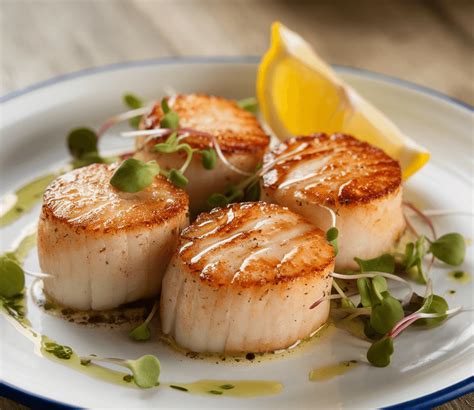
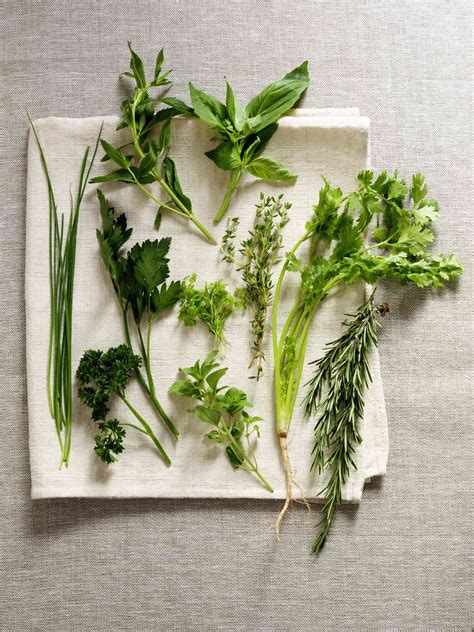
One of the quickest and most impactful ways to elevate a dish is through thoughtful garnishing. Fresh herbs like parsley, cilantro, dill, or chives, finely chopped or as small sprigs, can instantly add color, freshness, and aromatic appeal. A sprinkle of toasted seeds (sesame, pumpkin), a zest of lemon or lime, or a drizzle of a contrasting sauce (like balsamic glaze or a swirl of crème fraîche) can provide a professional finishing touch. Think about what complements the flavors and adds a contrasting pop of color or texture.
Strategic Plating: Composition is Key
How you arrange food on the plate makes a huge difference. Instead of piling everything in the center, consider these techniques:
- The Rule of Thirds: Imagine your plate divided into thirds horizontally and vertically. Place the main components at the intersections for a balanced look.
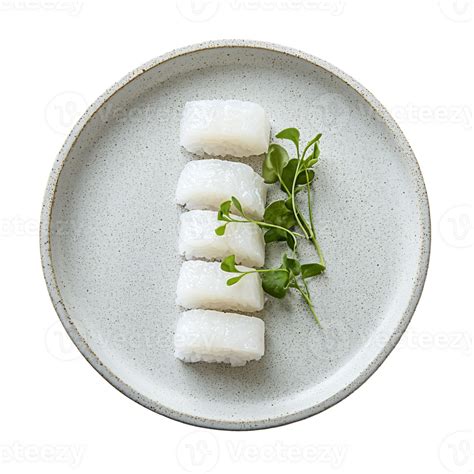
- Negative Space: Don’t overcrowd the plate. Leaving some empty space around your food allows each component to stand out and gives the dish an elegant, less cluttered appearance.
- Stacking and Height: Build up your components, creating height. For instance, stack a protein on a bed of vegetables or grains. This adds dimension and makes the dish more dynamic.
- Clean Edges: Use a clean cloth or paper towel to wipe any drips or smudges from the rim of the plate before serving. A pristine plate screams professionalism.
Embrace Color and Texture for Visual Interest
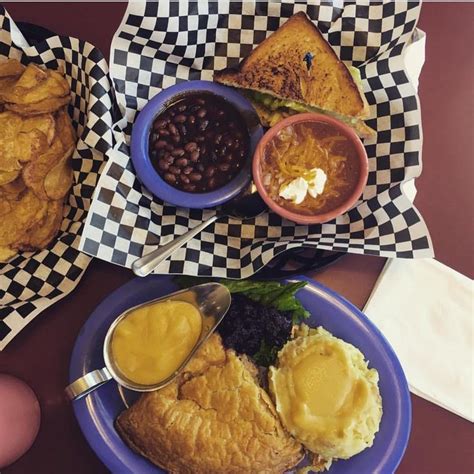
A dish with varying colors and textures is inherently more appealing. If your meal is monochromatic (e.g., all brown or beige), think about adding an element of bright color – a sprinkle of paprika, some roasted red peppers, or a vibrant green pea purée. Similarly, contrasting textures – the crunch of nuts against creamy soup, crispy skin on a tender piece of chicken – make the eating experience more engaging.
Choose Your Canvas Wisely: Plates and Bowls
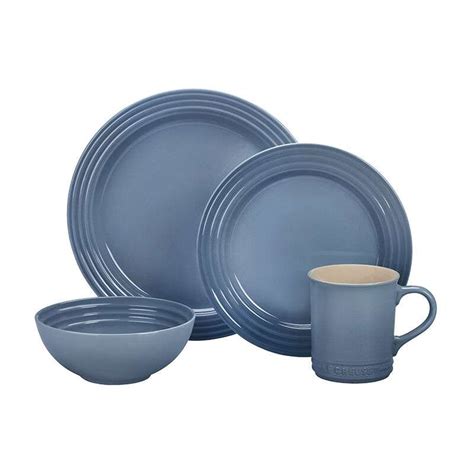
The dinnerware itself can either enhance or detract from your food. Generally, simple, neutral-colored plates (white, black, or earthy tones) allow your food to be the star. Avoid overly busy patterns. The size of the plate also matters; an oversized plate with a small portion can create a minimalist, gourmet feel, while a smaller plate can make a modest portion look more substantial. Bowls are excellent for dishes with sauces, stews, or pasta, providing a cozy, inviting presentation.
Lighting and Background: Your Food’s Best Angle
If you’re snapping a photo of your culinary creation (and who isn’t these days?), good lighting is crucial. Natural light is almost always best; position your dish near a window but out of direct sunlight. Overcast days offer fantastic diffused light. A simple, uncluttered background – a wooden table, a plain tablecloth, or even a sheet of craft paper – will help your food stand out without distractions. Avoid harsh overhead lighting or a busy background.
Conclusion: Style with Confidence
Food styling doesn’t have to be intimidating. By incorporating these simple hacks into your routine, you’ll not only impress your family and friends but also enhance your own dining experience. Start small, experiment with different garnishes and plating styles, and most importantly, have fun transforming your everyday eats into gourmet-looking masterpieces. A little effort goes a long way in making every meal feel special.