Expert plating hacks to elevate home dishes to restaurant-quality art?

Ever wondered why a dish at a high-end restaurant looks so much more appealing than the same meal prepared at home? Often, it’s not just the ingredients or the cooking method, but the artistry of presentation. Elevating your home dishes to restaurant-quality art is a skill that’s easier to master than you might think. With a few expert plating hacks, you can turn a simple meal into a feast for the eyes, enhancing the entire dining experience.
The Foundation: Understanding Balance and Focus
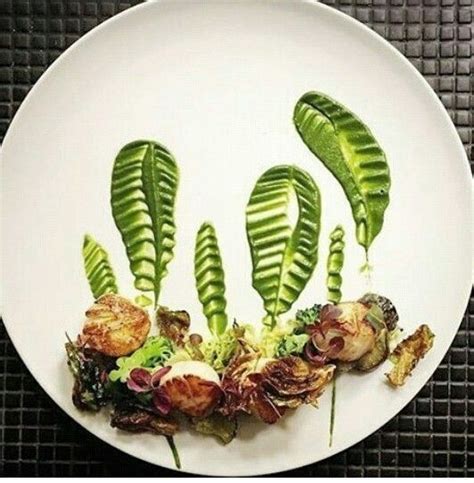
At the heart of great plating lies balance and a clear focal point. Think of your plate as a canvas. Instead of piling everything in the center, consider the rule of thirds or an asymmetrical arrangement. Place your main protein slightly off-center, then build around it with complementary components. This creates visual interest and guides the diner’s eye across the dish. Don’t be afraid to leave some negative space; an overcrowded plate looks messy and unappetizing.

Playing with Color and Texture
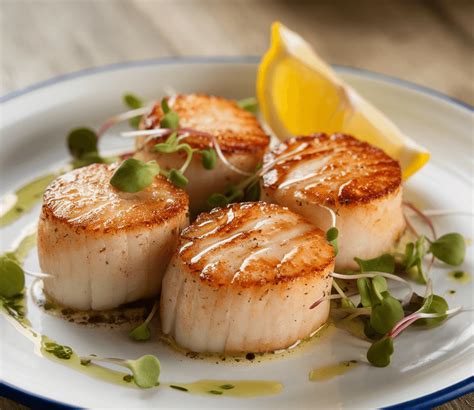
Color is arguably one of the most impactful elements in plating. A vibrant array of colors instantly makes a dish more appealing. Think about contrasting colors – a bright red tomato next to a green basil leaf, or a golden-brown sear against a creamy white sauce. Don’t forget texture! A plate that offers a variety of textures – crispy, creamy, smooth, crunchy – is far more engaging. Incorporate different cooking methods or ingredients specifically for their textural contribution, like toasted nuts, fresh herbs, or a crispy fried element.
Building Height and Dimension
Flat dishes can look uninspired. Professional chefs often build upwards to add dynamic interest. Use your main protein as a base, then strategically stack or lean components against it. A small mound of mashed potatoes can elevate a piece of fish, or layered vegetables can add verticality to a stir-fry. Tools like ring molds can help create perfect towers, but even a spoon can be used to sculpt ingredients into appealing shapes. Remember, height adds a sense of generosity and sophistication.

The Art of Saucing and Garnishing
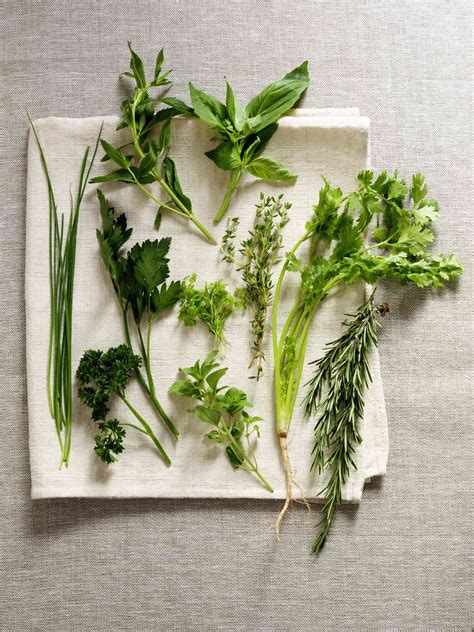
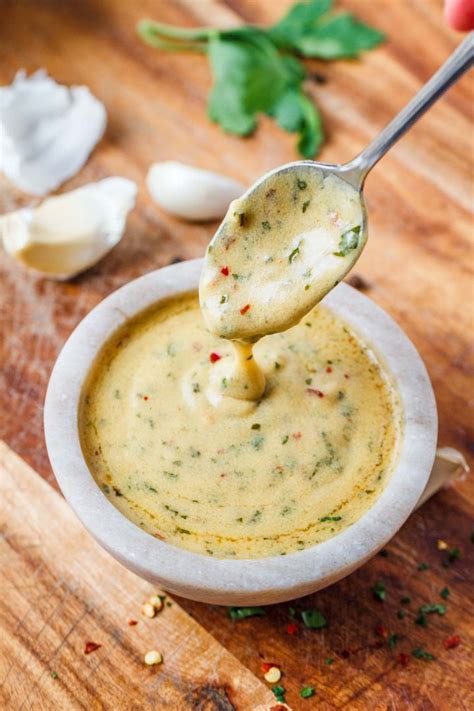
Sauces aren’t just for flavor; they’re essential for plating. Instead of pouring a pool of sauce over everything, consider artistic applications. A delicate drizzle, a sweeping swoosh with the back of a spoon, or small dots strategically placed around the plate can add elegance and moisture. Garnishes, too, should be intentional and edible. Fresh herbs like parsley, chives, or cilantro, microgreens, edible flowers, or a sprinkle of paprika can add a final flourish of color and freshness. Always ensure your garnishes complement the dish’s flavors, not just its appearance.
Mastering Cleanliness and Presentation Tools
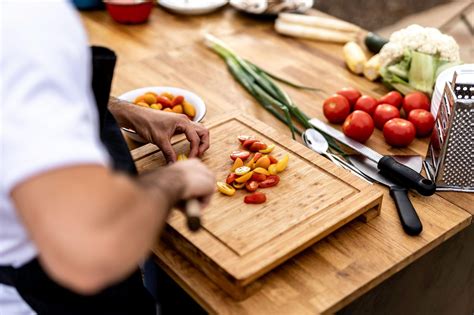
One of the simplest yet most crucial plating hacks is cleanliness. Before serving, always wipe the rim of your plate with a clean cloth or paper towel to remove any drips, smudges, or stray ingredients. A pristine plate immediately elevates the perception of your dish. For more advanced techniques, consider investing in a few basic plating tools: squeeze bottles for sauces, offset spatulas for precise placement, or even just good quality tongs and spoons. These tools give you greater control and precision, making the plating process smoother and more professional.

Practice Makes Perfect: Experiment and Enjoy
Like any skill, plating improves with practice. Don’t be afraid to experiment with different arrangements, colors, and textures. Take photos of your dishes – it’s a great way to critically assess your work and see what looks good and what could be improved. Start with simple dishes and gradually introduce more complex techniques. Remember, the goal is to make your food as delightful to the eye as it is to the palate. By applying these expert plating hacks, you’ll not only impress your guests but also find new joy in the culinary process, turning every home meal into a restaurant-worthy experience.