Food adventures: How to capture stunning visuals of authentic local eats?
Embarking on a culinary journey is often as much about the visual feast as it is about the taste. For the modern traveler, capturing the vibrant spirit and deliciousness of authentic local eats has become an integral part of the adventure. It’s about more than just snapping a quick picture; it’s about telling a story, preserving a memory, and inspiring others. This guide will help you transform your food snapshots into stunning visual narratives, bringing the soul of local cuisine to life through your lens.
Understanding the Essence of Local Eats
Before you even pick up your camera, take a moment to appreciate the dish in front of you. Authentic local food is steeped in culture, history, and tradition. It’s not just ingredients on a plate; it’s a reflection of its environment, the people who prepared it, and generations of culinary heritage. Your goal is to capture this essence. Think about the context: is it street food served on a bustling corner, a family recipe in a cozy diner, or a delicate pastry from a hidden patisserie? Understanding the story behind the food will naturally guide your photographic approach.
Essential Gear for Food Photography on the Go
While a professional camera setup can offer incredible versatility, you don’t need expensive equipment to capture compelling food photos. Your smartphone, with its increasingly advanced cameras, is often more than capable for travel photography. The key is to know its limitations and strengths.
If you’re using a DSLR or mirrorless camera, a versatile prime lens (like a 50mm or 35mm) is excellent for food, offering a wide aperture for beautiful depth of field. Consider a small, portable diffuser or reflector – even a piece of white cardstock can significantly improve your lighting. Leave the bulky tripod at home unless you’re planning specific low-light shots; you’ll often be shooting in tight spaces or on the fly.

Mastering Lighting: The Golden Rule
Lighting is arguably the most crucial element in food photography. Natural light is almost always your best friend. Avoid using harsh direct flash, which can flatten the food, create unflattering reflections, and kill its natural appeal. Instead, seek out soft, diffused light, ideally from a window or an open doorway.
Position your dish near the light source, experimenting with side-lighting or back-lighting. Side-lighting emphasizes texture and dimensionality, while back-lighting can make liquids glow and steam appear more prominent. If the light is too harsh, use a diffuser (a thin white cloth or a professional diffuser) to soften it. Conversely, if you need to brighten shadows, a small reflector can bounce light back onto the dish. Always be observant of your surroundings; a cafe table near a window, a shaded outdoor spot, or even a gap between buildings can provide ideal lighting conditions.

Composition and Storytelling
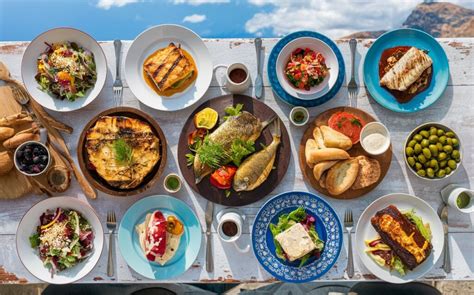
Composition is how you arrange elements within your frame to create an engaging image. For food photography, various angles can tell different stories. An overhead or ‘flat lay’ shot works wonderfully for showcasing multiple dishes, intricate patterns, or colorful ingredients. An eye-level shot helps to convey the depth and height of a dish, often connecting the viewer more intimately with the food. Getting closer can highlight textures and details that might otherwise be missed.
Don’t be afraid to include elements that provide context or tell a story. A chef’s hand serving the dish, local cutlery, a blurry background of the bustling street market, or a hint of the restaurant’s decor can add authenticity and depth. Focus on visual elements like steam, crumbs, condensation, or a drizzle of sauce to evoke freshness and appeal. Use the rule of thirds, leading lines, and negative space to create balance and draw the viewer’s eye to your subject.

Post-Processing for Perfection
Once you’ve captured your photos, a little post-processing can elevate them from good to great. Mobile editing apps like Adobe Lightroom Mobile, Snapseed, or VSCO offer powerful tools to fine-tune your images. Focus on subtle enhancements rather than drastic changes. Adjust exposure to brighten the image without blowing out highlights, tweak the contrast to add depth, and correct the white balance to ensure colors look natural and appetizing.
A slight boost in saturation can make ingredients pop, while sharpening can define textures. Be mindful not to over-edit; the goal is to enhance the natural beauty of the food, not to create an artificial representation. Remember that the best edits are often the ones you don’t even notice, simply making the photo look its best.
Capturing stunning visuals of authentic local eats is a rewarding pursuit that enriches your travel experiences and allows you to share your adventures with the world. By paying attention to lighting, composition, storytelling, and thoughtful post-processing, you can transform simple food photos into mouth-watering works of art. So next time you encounter a delectable local dish, take a moment, compose your shot, and let your lens tell its delicious story.