Foodie fridge goals: best organization for zero produce waste?
For any true foodie, a well-stocked fridge is a treasure trove of culinary potential. But the flip side of that abundance can often be the disheartening sight of wilted greens, moldy berries, or forgotten vegetables at the back of the crisper drawer. Food waste, particularly produce waste, is a significant problem both for our wallets and the environment. The good news? With a bit of strategic organization, you can transform your fridge into a zero-waste powerhouse.
Understanding Your Fridge’s Microclimates
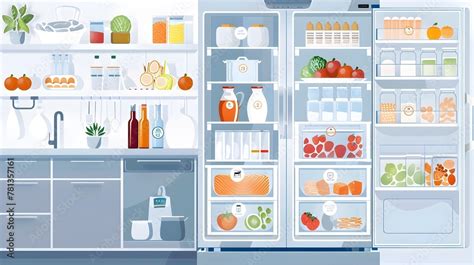
Your refrigerator isn’t one uniform cold box; it has distinct zones, each with its own temperature and humidity levels. Learning to utilize these microclimates is the first step towards optimal produce preservation.
- Top Shelf: Usually the warmest spot. Ideal for ready-to-eat foods, leftovers, and cooked items.
- Middle Shelves: Consistent temperature. Best for dairy, eggs, and deli meats.
- Bottom Shelf: Often the coldest and most stable. Perfect for raw meat, poultry, and fish to prevent cross-contamination.
- Crisper Drawers: These are your produce heroes!
- High-Humidity Drawer: Typically for ethylene-sensitive items that need moisture, like leafy greens, broccoli, carrots, and cucumbers. Keep the vent almost closed.
- Low-Humidity Drawer: For ethylene-producing fruits and vegetables that can spoil quickly in high moisture, such as apples, pears, and ripe fruits. Keep the vent more open.
- Door: The warmest part of the fridge due to frequent opening. Only store condiments, jams, and non-perishables here. Never milk or eggs.
The FIFO Rule: First In, First Out
This principle is crucial for preventing forgotten produce. When you bring new groceries home, move older items to the front. This simple habit ensures that you consume items before they expire or spoil. Consider designated ‘Eat Me First’ bins for items nearing their end or leftovers that need to be consumed promptly.
Smart Storage Solutions for Every Type of Produce
Beyond knowing your zones, how you store individual items makes a huge difference:
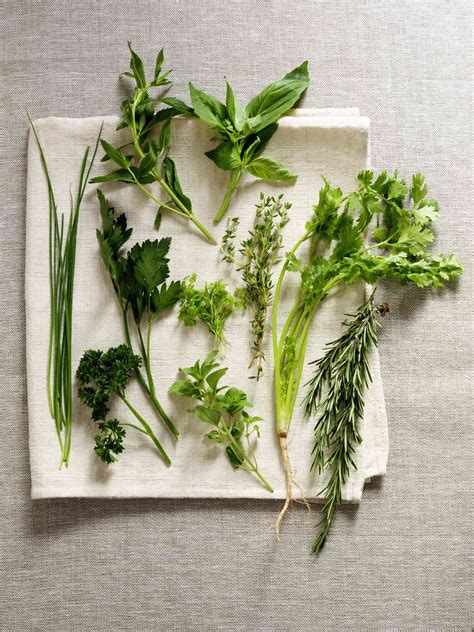
- Leafy Greens & Herbs: Wash, dry thoroughly (a salad spinner is your friend!), then wrap in a damp paper towel and store in an airtight container or a reusable produce bag in the high-humidity crisper. Alternatively, treat herbs like flowers by placing stems in a jar with an inch of water, then cover loosely with a bag and refrigerate.
- Berries: Don’t wash until just before eating. Store in a single layer in a breathable container (or original packaging) lined with a paper towel. A quick vinegar bath (1 part vinegar to 3 parts water) before rinsing and drying can also extend their life.
- Carrots, Celery, & Asparagus: Trim ends, then stand upright in a jar with an inch of water, covering loosely. For carrots and celery, they can also be stored in an airtight container filled with water.
- Root Vegetables (Beets, Radishes, Turnips): Remove green tops (which draw moisture from the roots), then store roots in a high-humidity crisper.
- Apples & Pears: Store in the low-humidity crisper. Keep them away from other produce if you want to slow ripening, as they release ethylene gas.
- Citrus: Best stored in the fridge for longevity, though they can sit on the counter for about a week.
- Avocados: Store unripe avocados on the counter. Once ripe, move to the fridge to slow further ripening.
Leverage Meal Prep and Visibility
One of the biggest reasons for produce waste is simply forgetting what you have. Enhance visibility and ease of use:
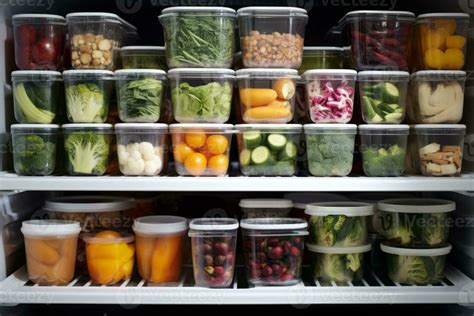
- Wash & Chop Ahead: Pre-wash, chop, and store fruits and vegetables in clear, airtight containers. This not only makes them last longer but also makes healthy snacking and cooking much more accessible.
- Label Everything: Use labels with dates for prepped items and leftovers.
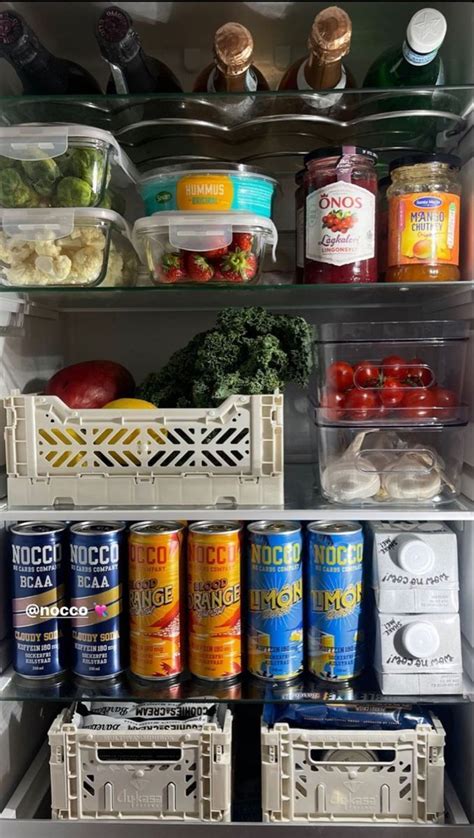
- Clear Containers: Ditch opaque containers. Clear containers allow you to see what you have at a glance, preventing items from getting lost in the back.
Regular Audits and Creative Repurposing
Even with the best organization, some items might start to look a little sad. Don’t throw them out!
- Weekly Audit: Make it a habit to check your fridge once a week before grocery shopping. Plan meals around what needs to be used up.
- Revive & Repurpose: Slightly wilted greens can be refreshed in an ice bath. Softening vegetables are perfect for soups, stews, frittatas, stir-fries, or roasting. Overripe fruits are excellent for smoothies, muffins, jams, or fruit purees.
- Scrap Stock: Vegetable scraps like onion peels, carrot ends, and herb stems can be frozen and used to make flavorful vegetable broth later.

Conclusion
Achieving a zero-produce-waste fridge is a continuous journey, but with these organizational strategies and smart storage practices, you’ll be well on your way. Not only will you save money and reduce your environmental footprint, but you’ll also enjoy fresher, more vibrant ingredients for all your culinary adventures. Happy organizing, fellow foodies!