Foodie fridge goals: How do you visually organize to reduce waste & inspire cooking?

Transform Your Fridge, Transform Your Cooking
Ever open your refrigerator only to be met with a chaotic jumble, making it impossible to find ingredients or leading to forgotten produce wilting in the back? For foodies, a well-organized fridge isn’t just about aesthetics; it’s a powerful tool for reducing food waste, saving money, and inspiring delicious meals. Let’s dive into how visual organization can revolutionize your kitchen experience.
The Power of Visibility: Why Visual Organization Works
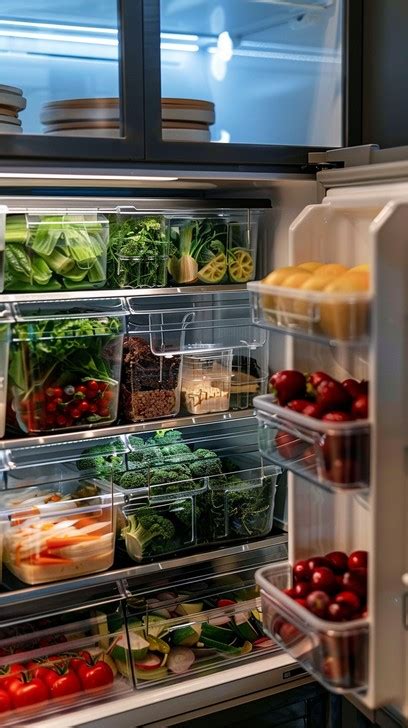
When you can see what you have at a glance, you’re less likely to buy duplicates and more likely to use ingredients before they spoil. A visually accessible fridge encourages spontaneous cooking and helps you plan meals around what’s already on hand. It turns potential food waste into culinary opportunity.
- Reduce Waste: No more forgotten leftovers or moldy produce lurking in hidden corners.
- Save Money: You’ll shop smarter and waste less, keeping more money in your pocket.
- Inspire Cooking: Seeing fresh ingredients makes you excited to create.
- Stress-Free Meal Prep: Easily grab what you need for weeknight dinners.
Setting the Stage: Prep Before You Organize
Before you start assigning shelves, a little prep goes a long way. First, empty your fridge completely. Discard anything expired or spoiled. Wipe down all surfaces. This fresh start is crucial for truly seeing what you have and how best to arrange it.
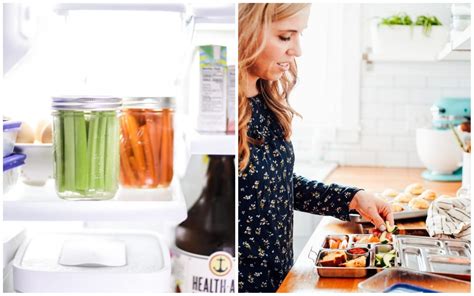
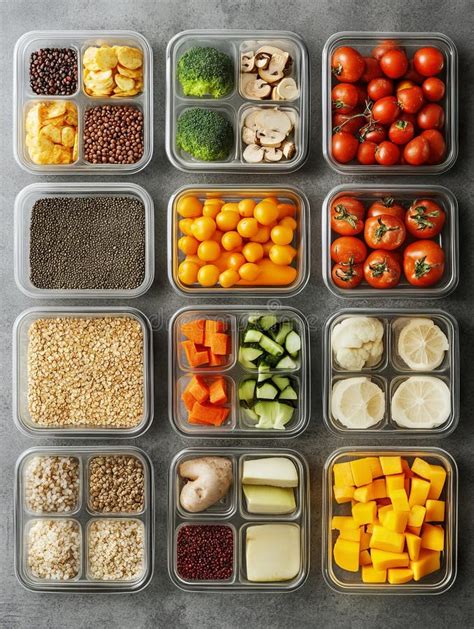
Next, consider your storage solutions. Clear bins, turntables, and stackable containers are your best friends. Transparency is key – if you can see it, you’ll use it.

Zoning In: Designing Your Fridge Layout
Think of your fridge as prime real estate, with different zones suited for different items. This maximizes freshness and utility.
Top Shelf: Ready-to-Eat & Leftovers
This is the prime spot for items that don’t need cooking, like yogurt, deli meats, cheeses, and especially leftovers. Place leftovers in clear containers, ideally at eye level, so they’re the first thing you see. Labeling with dates is a bonus!
Middle Shelves: Dairy, Eggs & Cooked Meats
These shelves maintain a consistent cool temperature, making them ideal for dairy products, eggs, and cooked meats. Avoid storing eggs in the door, as temperature fluctuations can affect their quality.
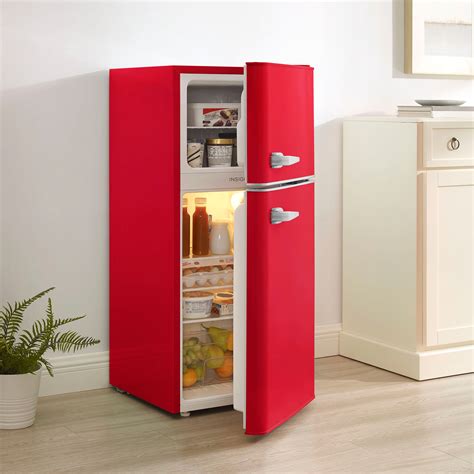
Bottom Shelf: Raw Meats & Seafood
Always store raw meats and seafood on the lowest shelf to prevent any drips from contaminating other foods below. Use a dedicated tray or container to catch potential spills.
Crisper Drawers: Fruits & Vegetables
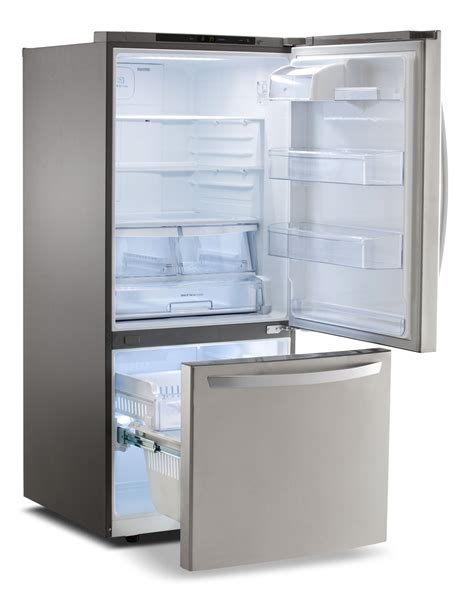
Most fridges have two crisper drawers with humidity controls. Dedicate one to high-humidity produce (leafy greens, herbs, broccoli) and the other to low-humidity produce (apples, mushrooms, peppers). Keep them clean and organized to prevent anything from getting lost.

Door Shelves: Condiments & Beverages
The fridge door is the warmest part, experiencing the most temperature fluctuations. It’s perfect for condiments, sauces, jams, and drinks – items with natural preservatives or those less susceptible to spoilage from minor temperature changes.
Maintaining Your Foodie Fridge
Organization isn’t a one-time event. Regular maintenance is crucial. Do a quick tidy-up before each grocery shop, and designate a “use me first” bin for items nearing their expiry. This proactive approach ensures your fridge remains a source of inspiration, not exasperation.
The Payoff: Less Waste, More Joy
By investing a little time in visually organizing your fridge, you’ll gain more than just a tidy appliance. You’ll gain control over your food budget, reduce your environmental footprint, and most importantly, rediscover the joy of cooking with fresh, accessible ingredients. Open your fridge and be inspired!