Foodie hacks: Smartest fresh ingredient storage for zero waste?
For any true foodie, the joy of cooking begins with vibrant, fresh ingredients. But that joy can quickly turn to frustration when produce wilts, browns, or spoils before its time, leading to unnecessary waste and a lighter wallet. The good news? Smart storage isn’t just a chore; it’s a culinary superpower that can keep your ingredients at their peak, reduce your environmental footprint, and elevate your home cooking.
The Zero-Waste Imperative: Why Smart Storage Matters
Food waste is a significant global issue, contributing to greenhouse gas emissions and squandering valuable resources. In the home kitchen, it often stems from improper storage. By mastering the art of preserving your fresh produce, you’re not only saving money but also making a tangible impact on the planet. From crisp lettuce to ripe avocados, every ingredient has an optimal storage environment that can drastically extend its edible life.
Understanding Your Ingredients: Key to Longevity
Before diving into specific hacks, it’s crucial to understand why food spoils. Factors like ethylene gas, moisture, temperature, and air exposure play significant roles. Ethylene, a natural ripening hormone emitted by some fruits (like apples, bananas, and avocados), can accelerate the spoilage of sensitive produce (like leafy greens, broccoli, and berries). Humidity levels are also critical; too much can lead to mold, while too little causes wilting.
Hack #1: The Leafy Green & Herb Revival Method
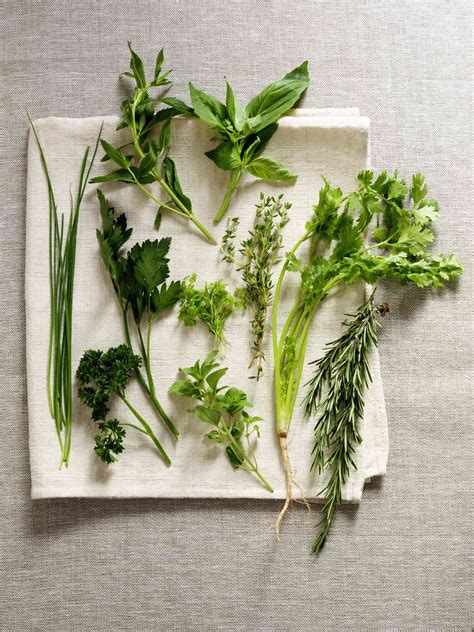
Wilting greens and herbs are a common complaint. To combat this, wash and thoroughly dry your greens (a salad spinner is your best friend here). Wrap them in a dry paper towel, then place them in an airtight container or a reusable silicone bag. This method creates a controlled, humid environment that prevents both drying out and excess moisture buildup, keeping them crisp for weeks.
For hardy herbs like parsley or cilantro, trim the stems and place them upright in a glass of water, much like a bouquet, then cover loosely with a plastic bag and refrigerate. Basil, however, prefers room temperature in a glass of water, away from direct sunlight.
Hack #2: Fruit & Veggie Segregation for Success
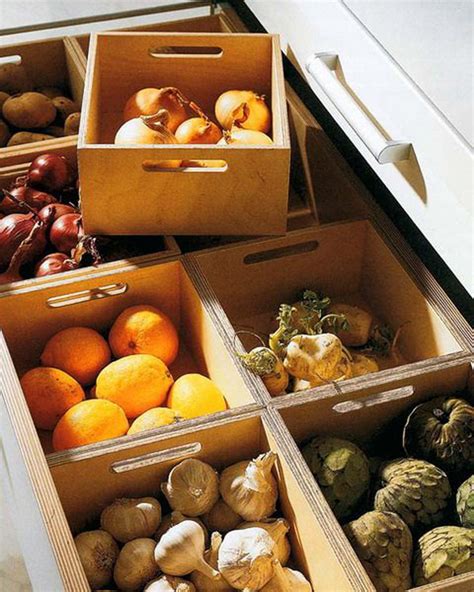
Remember that ethylene gas? It’s a game-changer for storage. Always store ethylene-producing fruits (apples, bananas, cantaloupe, avocados, tomatoes) separately from ethylene-sensitive vegetables and fruits (broccoli, lettuce, berries, cucumbers, carrots). Bananas, in particular, should often be stored on their own. Potatoes and onions should be kept in a cool, dark, and dry place, but never together, as gases from onions can cause potatoes to sprout faster.

Hack #3: Berry Bliss & Root Vegetable Rules
Berries are notoriously fragile. To extend their life, give them a quick vinegar bath (one part white vinegar to three parts water) to kill mold spores, then rinse thoroughly and dry completely before storing in a single layer in an open or vented container in the fridge. This air circulation is key.
Root vegetables like carrots, radishes, and beets last longer when their green tops are removed (which draw moisture from the roots). Store them in airtight containers with a slightly damp paper towel to maintain humidity. Asparagus can be stored upright in a jar with water, similar to herbs.
Beyond the Fridge: Smart Tools for Smart Foodies
Investing in the right tools can make a big difference. Glass airtight containers, reusable silicone bags, and beeswax wraps are excellent zero-waste alternatives to single-use plastics. Specialized produce keepers offer built-in ventilation and humidity control. For bulk buys, a vacuum sealer can dramatically extend the life of many items, even allowing you to freeze perfectly portioned ingredients.

Maximizing Scraps: The Ultimate Zero-Waste Move
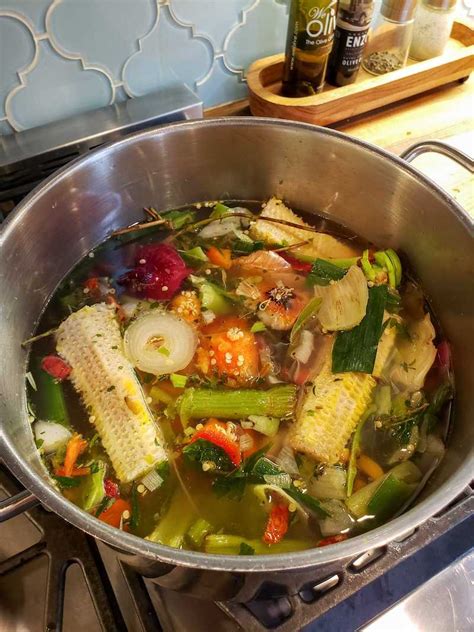
True zero-waste living goes beyond just preventing spoilage; it’s about utilizing every part of your ingredients. Regrow green onions, celery, or romaine lettuce from their bases in a shallow dish of water. Keep a bag in your freezer for vegetable scraps (onion peels, carrot tops, herb stems) to make flavorful homemade vegetable broth. Even citrus peels can be candied or used to make infused vinegar cleaners.
Conclusion: A Fresher Kitchen, A Happier Planet
Embracing smart storage hacks isn’t just about prolonging the life of your food; it’s about fostering a mindful, sustainable approach to cooking and consumption. By understanding your ingredients and implementing these simple yet effective strategies, you’ll enjoy fresher flavors, reduce waste, and contribute to a healthier planet, one perfectly preserved ingredient at a time. Happy cooking, zero-waste style!