Foodie plating: Elevate everyday recipes for stunning visual feeds?

In an age where our phones eat first, transforming a simple home-cooked meal into a visually stunning masterpiece is no longer just for professional chefs. “Foodie plating” is the art of arranging food on a plate to enhance its aesthetic appeal, making everyday recipes look like they came straight from a gourmet restaurant. It’s about more than just making your Instagram feed pop; it’s about elevating the entire dining experience, stimulating the senses before the first bite even touches the tongue.
Why Presentation is the Secret Ingredient
The saying “we eat with our eyes first” holds profound truth. A beautifully plated dish can make even the simplest ingredients seem more appetizing and special. It shows care and attention to detail, which in turn enhances the perceived value and enjoyment of the meal. For home cooks, mastering a few basic plating techniques can turn mundane weeknight dinners into memorable culinary events, impressing family and guests alike, and yes, garnering those coveted likes on social media.
Fundamental Principles for Stunning Plates
Great plating isn’t random; it follows a few core artistic principles. Understanding these will give you a framework for creating visually balanced and appealing dishes.
- Balance and Contrast: Think about color, texture, and shape. A plate should have a mix of vibrant colors (e.g., green herbs, red tomatoes), varied textures (crunchy, creamy, smooth), and different shapes (round vegetables, straight-cut proteins). Contrast is key to making elements stand out.
- Focal Point: Every plate needs a star. This is usually the main protein or a key vegetable component. Arrange other elements to complement and draw the eye towards this focal point.
- Negative Space: Don’t overcrowd the plate. Leaving some empty space around your food helps it breathe and makes the presentation look cleaner and more elegant, rather than cluttered.
- The Rule of Odds: When arranging small components (like cherry tomatoes or shrimp), group them in odd numbers (three or five) for a more visually appealing and dynamic arrangement than even numbers.
- Height and Dimension: Flat food looks uninteresting. Build height by stacking ingredients or leaning them against each other. This adds a three-dimensional quality that professional chefs often utilize.
Essential Tools and Techniques for the Home Chef
You don’t need a professional kitchen setup to plate like a pro. A few simple tools and techniques can make a world of difference.
The Right Foundation: Your Plate
Opt for white or neutral-colored plates. They act as a clean canvas, allowing the colors of your food to pop. Different shapes and sizes can also influence the presentation – shallow bowls for pasta, flat plates for mains.
Garnishes: The Finishing Touch
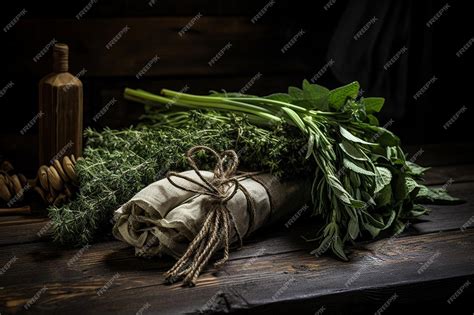
Garnishes aren’t just for show; they can add flavor and texture. Think fresh herbs (parsley, cilantro, dill), a sprinkle of toasted seeds, a drizzle of flavored oil, or a dusting of paprika. Choose garnishes that complement the dish’s flavors.
Sauces and Drizzles: Adding Artistry
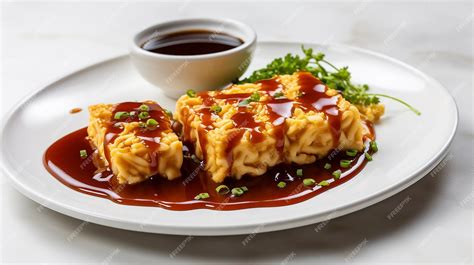
Sauces can be used artistically. Use a squeeze bottle or the back of a spoon to create swirls, dots, or clean lines on the plate. Remember, less is often more – a strategic drizzle is better than a drowning puddle.
Elevating Everyday Recipes: Practical Applications
Pasta Perfection
Instead of a messy mound, twirl long pasta with tongs onto the plate to create a neat, elegant nest. Top with your sauce, a sprinkle of fresh parmesan, and a basil leaf or two. Short pasta can be scooped neatly, ensuring even sauce distribution.
Salad Artistry
Layering is key for salads. Start with your greens, then add larger components like grilled chicken or hard-boiled eggs, followed by smaller, colorful elements like cherry tomatoes, cucumber slices, or crumbled cheese. Drizzle dressing lightly, or serve on the side.
Soup and Stew Transformations
A simple bowl of soup can be elevated with a swirl of cream or pesto, a scattering of croutons, fresh herbs, or a dollop of yogurt. Think about contrasting colors and textures.
Proteins and Sides: Arrangement is Key
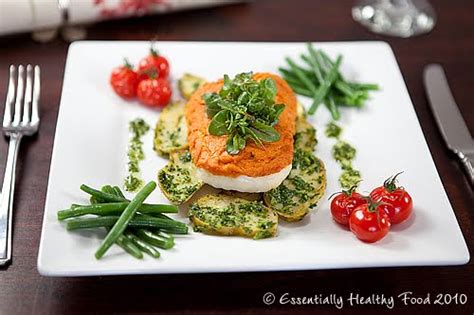
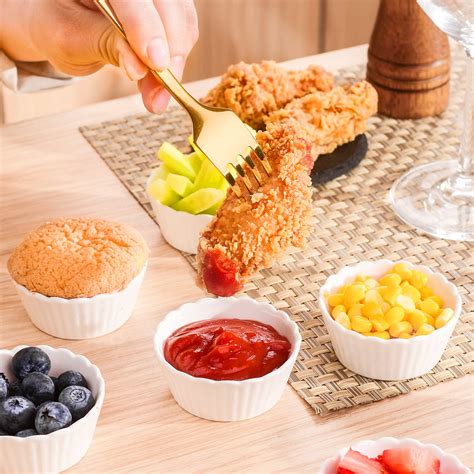
For roasted meats or fish, slice them neatly and arrange them to show off their best attributes. Pair with neatly portioned sides. For instance, a quenelle of mashed potatoes or a small bundle of asparagus tied with a chive can transform a plate.
Lighting and Angles: The Photography Bonus
Once your masterpiece is plated, good lighting is crucial for capturing it. Natural light is always best. Position your dish near a window, avoiding direct sunlight which can create harsh shadows. Experiment with different angles – overhead shots are great for showing off the entire plate, while a slight angle can highlight height and dimension.

Conclusion: Plate with Purpose, Enjoy with Passion
Foodie plating is an accessible way to bring a touch of gourmet elegance to your home kitchen. It encourages mindfulness in cooking and eating, transforming a routine meal into an experience. Don’t be afraid to experiment, play with different arrangements, and most importantly, have fun with it. Your taste buds, your eyes, and your social media followers will thank you.