Foodie Visual Bites: Best image specs for quick load & high quality?
The Art of Appetizing: Why Image Specs Matter for Foodies
In the vibrant world of food blogging and culinary content, visuals are not just an addition—they are the main course. A mouth-watering photograph can instantly convey flavor, texture, and mood, drawing viewers in and making them crave your dishes. However, even the most stunning food photography can fall flat if it takes ages to load or appears pixelated. Balancing lightning-fast load times with impeccable image quality is crucial for engaging your audience and improving your site’s SEO. This article dives into the optimal image specifications that will make your foodie visuals truly irresistible.

Demystifying Image Formats: The Right Choice for Food
The first step in image optimization is selecting the correct file format. For food photography, where intricate details and vibrant colors are paramount, the choice significantly impacts both quality and file size.
JPEG: The Tried and True
JPEG (Joint Photographic Experts Group) has long been the standard for photographic images due to its excellent compression capabilities, especially for images with smooth gradients and many colors. It’s a lossy format, meaning some data is discarded during compression, so finding the right balance between quality (e.g., 70-80% quality setting) and file size is key.
WebP: The Modern Champion
WebP, developed by Google, offers superior lossy and lossless compression for images on the web. It can achieve significantly smaller file sizes (often 25-35% smaller than JPEGs) at equivalent or even higher visual quality. Its widespread browser support makes it the go-to choice for modern web publishers. For food photography, WebP means faster loading times without compromising the richness of your culinary creations.
PNG: For Transparency, Not Photos
While PNG (Portable Network Graphics) is excellent for images requiring transparency (like logos or graphics), its lossless compression often results in much larger file sizes for photographs compared to JPEG or WebP. It’s generally not recommended for primary food photos.
Mastering Compression and Quality Balance
Once you’ve chosen your format, particularly if it’s JPEG or WebP (lossy compression), the next step is to master the art of compression. Most image editing software allows you to adjust the quality slider when saving. For JPEGs, a quality setting between 70% and 80% often provides a sweet spot, drastically reducing file size with minimal perceptible loss of detail. For WebP, the quality threshold is even more generous, often allowing for lower quality settings (e.g., 60-70%) while maintaining excellent visual fidelity.
Consider progressive JPEG for older browsers if you’re not fully on WebP, which displays a blurry version of the image that gradually sharpens as it loads, giving the impression of faster loading.

Optimal Dimensions and Resolution for Responsive Design
Gone are the days of fixed image sizes. Your audience views your content on everything from tiny smartphones to large desktop monitors. This necessitates a responsive image strategy.
- Maximum Width: Determine the maximum width your content area will display an image. For many blogs, this might be around 1200-1600 pixels. Avoid uploading images that are significantly larger than they will ever be displayed, as this creates unnecessary file bloat.
- Multiple Sizes (srcset): Use the
srcsetattribute in your<img>tags to provide browsers with multiple image resolutions. This allows the browser to serve the most appropriate size based on the user’s device, screen resolution, and pixel density (e.g., Retina displays). - DPI/PPI: For web images, DPI (dots per inch) or PPI (pixels per inch) is largely irrelevant; what matters are the pixel dimensions. An image at 72 PPI with dimensions of 1200×800 pixels will look the same as an image at 300 PPI with the same pixel dimensions when displayed on a screen. Focus on pixel dimensions.

Workflow and Tools for Foodie Visual Bites
Integrating these best practices into your content creation workflow is simpler than you might think:
- Shoot High Quality: Always start with the highest quality raw or large JPEG files from your camera.
- Edit & Crop: Edit your photos for color, exposure, and composition. Crop to your desired aspect ratio.
- Resize: Before exporting for web, resize your image to its maximum display width (e.g., 1600px).
- Optimize & Convert: Use tools like Adobe Photoshop’s “Save for Web” (or export as WebP), Squoosh.app, TinyPNG, or online WebP converters to apply optimal compression and convert to WebP. Many CMS platforms (like WordPress with plugins) also handle this automatically upon upload.
- Implement Responsive Images: Utilize
srcsetandsizesattributes in your HTML, or ensure your CMS theme/plugin supports responsive image delivery. - Lazy Loading: Implement lazy loading for images that are “below the fold.” This means images only load when they are about to become visible in the user’s viewport, significantly improving initial page load times. Modern browsers often support native lazy loading (
loading="lazy"attribute). - Content Delivery Networks (CDNs): For larger sites, a CDN can deliver your images from a server geographically closer to your users, further speeding up load times.
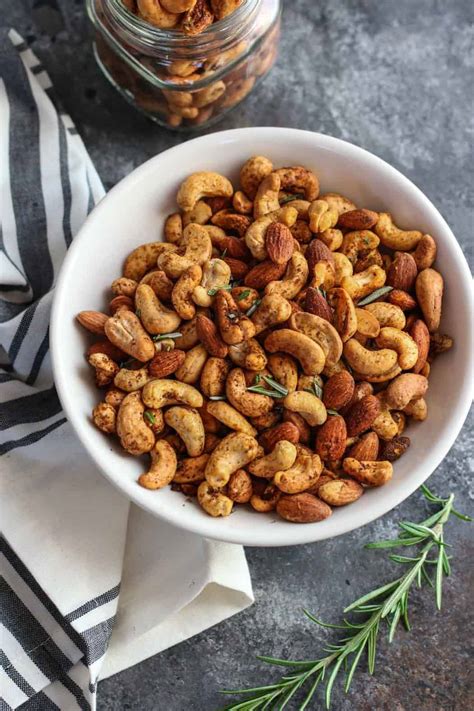
The Recipe for Visual Success
By thoughtfully choosing your image format (WebP is king), carefully balancing compression with visual fidelity, and implementing responsive image strategies, you empower your foodie visuals to shine. Your delicious dishes will not only look stunning but will also load in a flash, keeping your audience engaged, your bounce rate low, and your search engine rankings happy. So go ahead, serve up those visual bites with confidence and speed!