Foolproof method for perfectly crispy roasted vegetables every time?
The Quest for Crispy Perfection
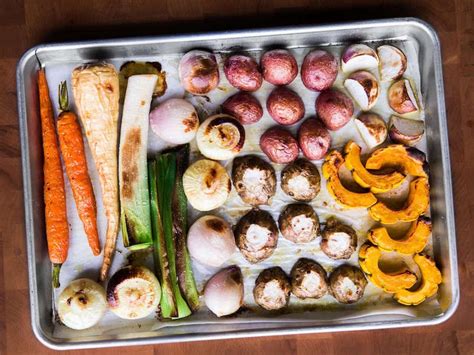
There’s nothing quite as satisfying as a perfectly roasted vegetable: tender on the inside, beautifully caramelized, and gloriously crispy on the outside. Yet, achieving that ideal crispness can sometimes feel like a culinary elusive dream, often resulting in soggy, steamed vegetables instead. Fear not, home cooks! The secret to consistently crispy roasted vegetables lies in understanding a few fundamental principles. Forget guesswork; this foolproof method guarantees golden, irresistible results every single time.
Understanding the Enemy: Moisture
The primary adversary of crispiness is moisture. Vegetables naturally contain a lot of water, and if that water isn’t allowed to escape and evaporate during cooking, they will steam rather than roast. This is why many people end up with limp, watery results. Our method focuses heavily on minimizing and managing moisture at every stage.
Step 1: The Mighty Dry
- Wash Thoroughly: Rinse your vegetables well.
- Dry Meticulously: This is arguably the most critical step. After washing, spread your chopped vegetables on a clean kitchen towel or paper towels and pat them thoroughly dry. You can even let them air dry for 15-30 minutes if time allows. Any residual water will turn to steam and prevent browning and crisping.
Optimal Sizing and Spacing
How you cut your vegetables and how you arrange them on the baking sheet are just as important as drying them.
Step 2: Uniformity is Key
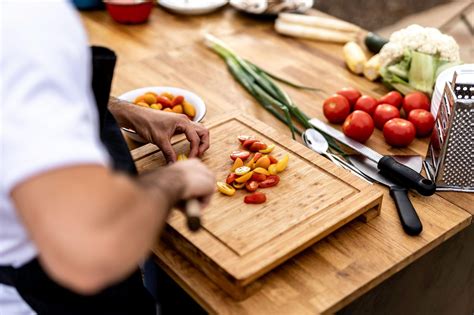
Cut your vegetables into roughly uniform pieces. This ensures even cooking. Small pieces might burn before larger ones are tender, while inconsistent sizes lead to a mix of overcooked and undercooked bits. Aim for bite-sized pieces that are roughly similar in shape and thickness.
Step 3: Give Them Room to Breathe
Crowding your baking sheet is another common mistake that leads to steaming. When vegetables are packed tightly, the moisture they release has nowhere to go but back into the pan, creating a steamy environment. Always use a large enough baking sheet (or multiple sheets) so that your vegetables can lie in a single layer with a little space between each piece. This allows for proper air circulation and moisture evaporation.
Heat and Fat: The Browning Agents
Once dried and spaced, high heat and the right fat are essential for achieving that coveted golden crisp.
Step 4: The Right Fat and Enough of It
Toss your thoroughly dried vegetables with a high smoke point oil, such as olive oil, avocado oil, or grapeseed oil. Don’t be shy with the oil – it helps conduct heat, brown the vegetables, and prevent sticking. A good rule of thumb is enough oil to lightly coat every piece, but not so much that they’re swimming in it. Season now with salt and pepper.
Step 5: Crank Up the Heat
Preheat your oven to a high temperature, typically between 400°F (200°C) and 425°F (220°C). A hot oven ensures that the surface of the vegetables quickly browns and crisps before the insides become mushy. You can even preheat your baking sheet in the oven while it’s heating up; placing cold vegetables on a hot pan gives them an immediate head start on browning.
The Final Touches and Troubleshooting
Step 6: Don’t Forget to Flip (Optional but Recommended)
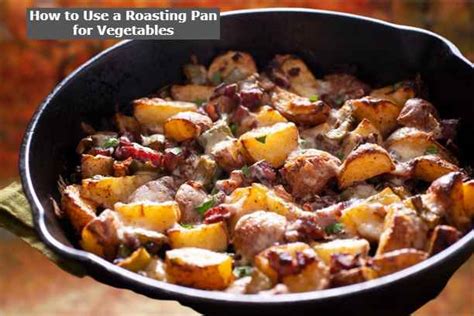
For maximum crispness on all sides, flip or stir your vegetables halfway through the roasting time. This ensures even browning. Roast until they are tender when pierced with a fork and deeply golden brown and crispy on the edges, usually 20-40 minutes depending on the vegetable.
Step 7: Seasoning Beyond Salt and Pepper
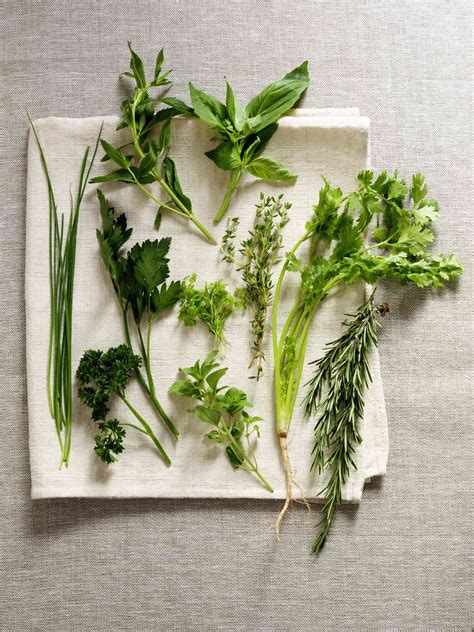
If you’re adding delicate herbs (like parsley or cilantro) or cheeses, wait until after the vegetables are roasted to prevent them from burning or becoming overly dry.
Troubleshooting Common Issues
- Still Soggy? You likely didn’t dry them enough, or you overcrowded the pan.
- Burning? Your oven might be too hot, or the pieces are too small.
- Not Browning? Not enough oil, oven not hot enough, or too much moisture.
Conclusion: Crispy Veggies Await!
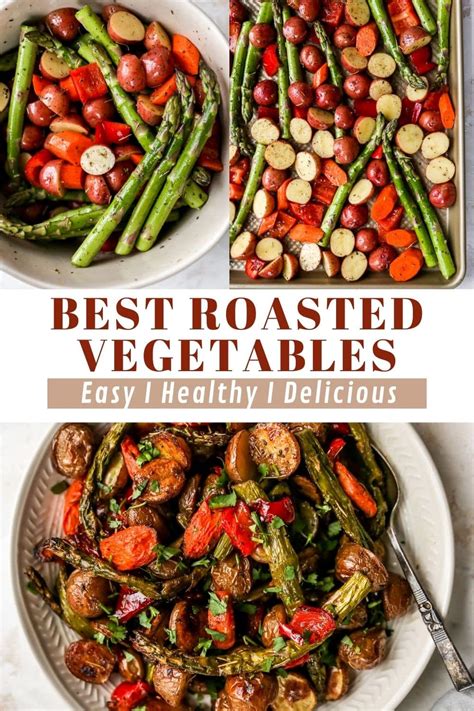
By following these straightforward steps – focusing on dryness, proper spacing, high heat, and the right fat – you can consistently achieve perfectly crispy, flavorful roasted vegetables every single time. Elevate your weeknight meals and impress your guests with this simple yet transformative method. Happy roasting!