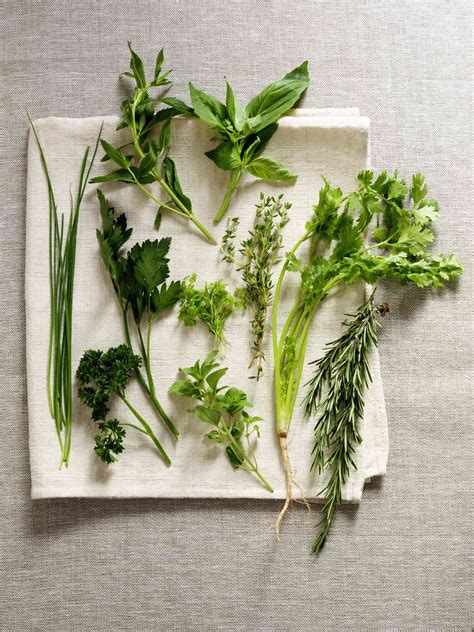
Foolproof visual guide: How to keep fresh herbs vibrant for delicious meals?
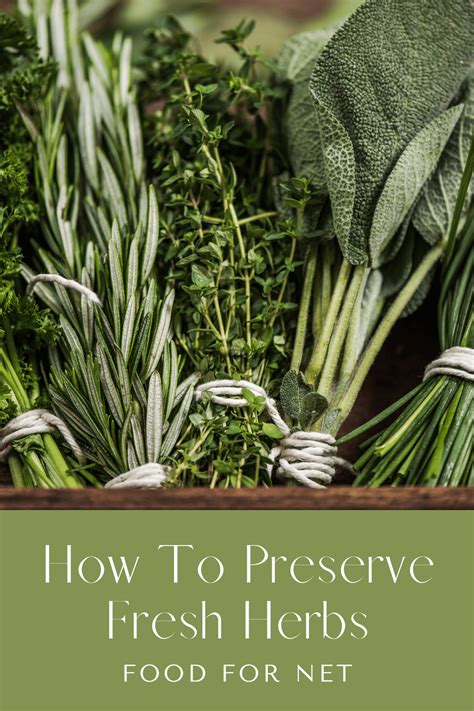
Fresh herbs are the secret weapon in any culinary arsenal, transforming ordinary dishes into extraordinary meals with their vibrant flavors and aromas. However, their delicate nature often leads to wilting and spoilage before you can use them all. Don’t let your precious herbs turn limp and sad! This visual guide provides foolproof methods to keep them crisp, green, and ready for your next culinary adventure.
Understanding Herb Types and Their Needs
Before diving into storage techniques, it’s helpful to categorize herbs based on their tenderness and moisture requirements. Generally, herbs fall into two main groups: “soft” (tender stems, delicate leaves) and “hard” (woody stems, sturdy leaves). Knowing this distinction helps in choosing the best preservation method.
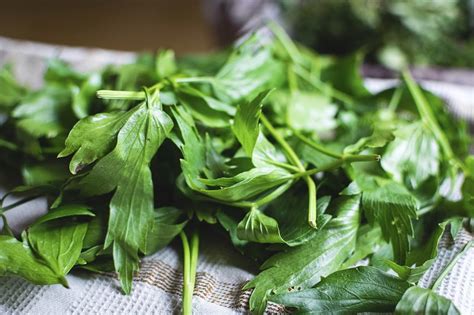
Method 1: The “Bouquet” Method for Most Herbs
This classic method works wonderfully for herbs like parsley, cilantro, mint, and even chives. It mimics how flowers are kept fresh in a vase.
Steps:
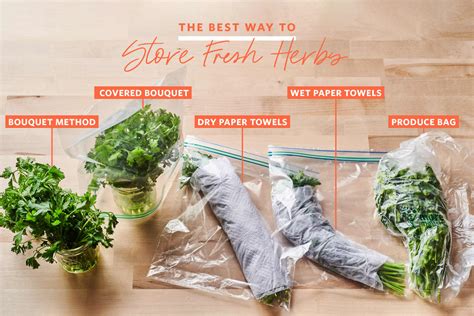
- Trim the Stems: Snip about an inch off the bottom of the stems. Remove any leaves that would sit below the water line to prevent rot.
- Water Bath: Place the trimmed herbs upright in a glass or jar with about an inch of fresh, cool water.
- Cover Loosely: For most herbs, loosely cover the top with a plastic bag (e.g., a produce bag or Ziploc bag) to create a mini-greenhouse effect, trapping moisture.
- Refrigerate: Store the glass in the refrigerator. Change the water every day or two. This method can keep herbs fresh for 1-2 weeks.
Note on Basil: Basil is an exception. It prefers warmer temperatures, so store it on your counter, away from direct sunlight, using the same water bath method but without refrigeration. Cover loosely if your home is dry.
Method 2: The “Paper Towel Roll” for Tender Herbs
For extra-tender herbs like dill, tarragon, or even chives if you prefer, the paper towel roll method provides a snug, moist environment.
Steps:
- Dampen Paper Towel: Lightly dampen a few sheets of paper towel (not soaking wet).
- Wrap Herbs: Lay your herbs flat on the damp paper towel. Gently roll them up into a loose bundle.
- Seal and Refrigerate: Place the wrapped bundle into a plastic bag or an airtight container. Store in the refrigerator.
This method keeps herbs fresh for about a week. Check the paper towel periodically and re-dampen if it feels dry.

Method 3: Freezing Herbs for Long-Term Storage
When you have an abundance of herbs or want to preserve their flavor for months, freezing is an excellent option, especially for hardy varieties like rosemary, thyme, oregano, and even parsley or cilantro.
Steps:
- Wash and Chop: Wash herbs thoroughly and pat them completely dry. Finely chop them.
- Ice Cube Tray Method: Spoon the chopped herbs into ice cube trays.
- Cover with Oil or Water: Pour olive oil or water over the herbs, just enough to cover them. Olive oil works well for savory herbs intended for cooking; water is good for any herb that might go into soups or stews.
- Freeze: Place the trays in the freezer until solid.
- Store: Once frozen, pop the herb cubes out and transfer them to an airtight freezer bag or container. Label with the herb name and date.
Frozen herb cubes can last for several months, ready to be dropped directly into hot pans, soups, or sauces.

General Tips for Maximum Freshness
- Don’t Wash Until Ready: Excess moisture promotes spoilage. Only wash herbs just before you’re about to use them.
- Air Circulation: Avoid packing herbs too tightly in containers or bags; they need a little breathing room.
- Inspect Regularly: Remove any wilting or discolored leaves promptly to prevent spoilage from spreading.
- Handle Gently: Herbs are delicate. Avoid crushing or bruising them.
With these simple yet effective techniques, you can significantly extend the life of your fresh herbs, ensuring they remain vibrant and flavorful, ready to elevate every dish. Say goodbye to wasted herbs and hello to a garden of flavor in your fridge!