For perfect seared scallops, what visual cues signal a beautiful golden crust?

The Allure of the Golden Scallop
Seared scallops are a culinary delight, celebrated for their sweet, tender interior and that irresistibly savory, caramelized crust. This crust isn’t just for flavor; it’s a testament to proper technique and heat management. But how do you know when you’ve hit that sweet spot? The answer lies in paying close attention to distinct visual cues that signal perfection.
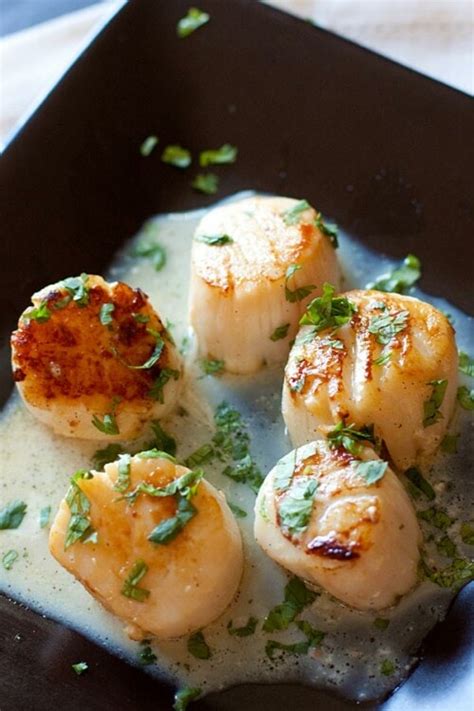
Key Visual Cues for a Perfect Crust
1. The Depth of Golden Brown
The most obvious indicator is color. A perfectly seared scallop will develop a rich, deep golden-brown hue on its seared side. This isn’t just a light tan; it should be robust and even, reminiscent of toasted bread or caramel. Avoid anything too pale, which indicates insufficient searing, or anything excessively dark brown to black, which means you’ve gone too far and are likely burning the exterior.

2. Defined, Crisp Edges
As the scallop sears, its edges will start to firm up and may even show a slight crispness. You’ll notice a clear demarcation between the seared golden side and the lighter, unseared side. These edges should appear slightly opaque and cooked through, not translucent or raw-looking. The slight curl or browning around the circumference is a great sign.
3. Surface Texture and Irregularities
Look closely at the surface of the scallop. A truly perfect crust won’t be perfectly smooth. Instead, it will have a slightly irregular, almost pebbled texture, indicating the caramelization of natural sugars and proteins. This textured surface catches the light beautifully and is a hallmark of the Maillard reaction doing its magic. You might even see tiny air bubbles forming just beneath the surface as moisture escapes.
4. Firming Up and Release from the Pan
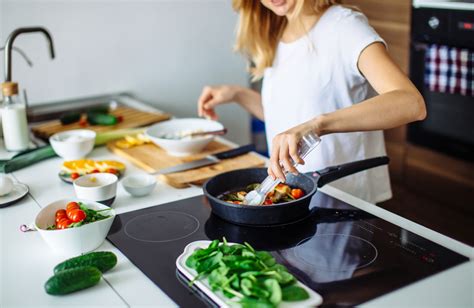
While not strictly visual on the scallop itself, how the scallop interacts with the pan is a crucial cue. When the scallop has formed a good crust, it will naturally release from the pan with minimal effort. If it’s sticking, it likely hasn’t developed that crucial crust yet. A gentle nudge with tongs should confirm it’s moving freely, indicating a robust sear.
Achieving the Golden Standard
To consistently achieve these visual cues, remember a few fundamental principles:
- Dry Scallops: Pat them thoroughly dry with paper towels to remove all surface moisture. Moisture steams rather than sears.
- Hot Pan: Use a very hot pan (cast iron or stainless steel work best) with a high smoke point oil.
- Don’t Overcrowd: Give each scallop space; overcrowding lowers pan temperature and leads to steaming.
- Leave Them Alone: Resist the urge to move them. Let them sear undisturbed for 2-3 minutes per side. The visual cues will emerge only if they have consistent contact with the hot surface.
By tuning into these visual signals – the rich golden color, defined edges, textured surface, and easy release from the pan – you’ll confidently create perfectly seared scallops every time, delivering that coveted restaurant-quality finish right in your own kitchen.