Fresh herbs: best storage for vibrant greens in real foodie visual feeds?

The Struggle is Real: Keeping Herbs Photo-Ready
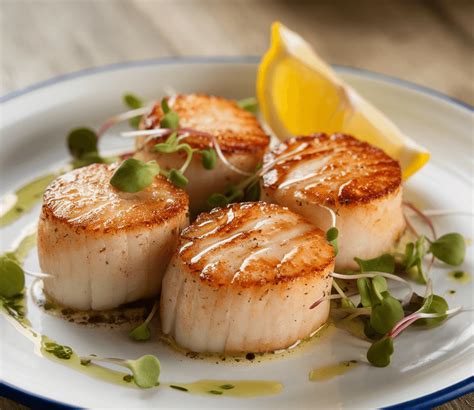
Ever scrolled through a stunning foodie feed, admiring the vibrant greens garnishing a dish, only to sigh at your own limp, sad herbs? In the world of visual gastronomy, fresh herbs aren’t just an ingredient; they’re a crucial aesthetic element, adding a pop of color and life that makes dishes truly sing. But maintaining that ‘just picked’ vibrancy from market to plate can feel like a culinary superpower. Fear not, fellow food enthusiasts – mastering herb storage is simpler than you think.
Why Proper Herb Storage is a Game-Changer
Beyond their role as a visual flourish, fresh herbs bring unparalleled aroma and flavor to your cooking. Poor storage doesn’t just make them unsightly; it rapidly diminishes their potency, leaving you with dull flavors and wasted ingredients. The key to long-lasting, vibrant herbs lies in understanding their specific needs and protecting them from their biggest enemies: dehydration, excessive moisture, and temperature fluctuations.
Tender Herbs: The “Flower Bouquet” Method
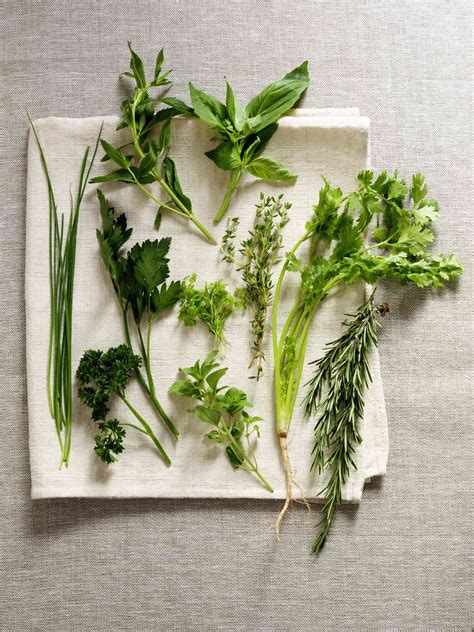
For delicate, leafy herbs like parsley, cilantro, mint, and dill, mimicking a flower bouquet is the gold standard. Trim the bottoms of the stems and place them upright in a glass jar or container with about an inch of water, just like a vase of flowers. Cover the leaves loosely with a plastic bag (or even better, a reusable silicone bag or an inverted large container) to create a humid microclimate, then refrigerate. Change the water every day or two. This method can keep these herbs fresh and perky for up to two weeks.
Basil is a special case: Unlike its tender counterparts, basil dislikes the cold. Store it using the same bouquet method, but keep it on your countertop at room temperature, away from direct sunlight. Refrigeration will cause basil leaves to blacken quickly.

Hardy Herbs: The “Dry Wrap and Chill”
Robust, woody-stemmed herbs such as rosemary, thyme, oregano, and sage thrive on a different approach. These herbs prefer to be kept relatively dry. Start by gently washing and thoroughly drying them – a salad spinner or paper towels are your best friends here. Wrap the dry herbs loosely in a slightly damp paper towel, then place them inside a resealable plastic bag or an airtight container. Store this in the refrigerator. This method prevents them from drying out too quickly while also protecting against excessive moisture that leads to mold. They can easily last for two to three weeks, sometimes even longer.

Beyond the Fridge: Freezing for Future Feeds
When you have an abundance of herbs, or simply want to prep ahead, freezing is an excellent option that preserves much of their flavor and color for cooking, if not always their pristine texture for garnishing. For tender herbs, chop them finely and pack them into ice cube trays. Cover with olive oil or water and freeze. Once frozen, pop out the cubes and store them in a freezer-safe bag. These herb-infused cubes are perfect for adding to soups, stews, sauces, or sautéed dishes. Hardy herbs can often be frozen whole on the stem, then transferred to a freezer bag.

The Visual Payoff: Always Photo-Ready
Imagine pulling out a bunch of vibrant, green cilantro or a fragrant sprig of rosemary, ready to elevate your culinary creations and capture that perfect Instagram-worthy shot. By investing a few minutes in proper storage techniques, you’re not just prolonging the life of your herbs; you’re preserving their flavor, minimizing food waste, and ensuring your dishes always look as good as they taste. A vibrant garnish isn’t just decoration – it’s the finishing touch of a truly confident cook. So, next time you bring home a fresh bundle, give it the love it deserves, and watch your foodie feed flourish.