Garnish secrets for visually stunning, easy recipe presentations?

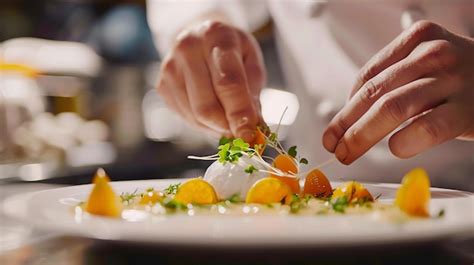
Transforming a delicious meal into a visually stunning masterpiece doesn’t require a culinary degree or hours of intricate work. Often, it’s the simplest touches – a sprinkle here, a carefully placed sprig there – that elevate a dish from ‘just food’ to an inviting feast for the eyes. Mastering a few easy garnishing secrets can dramatically enhance your recipe presentations, making every meal feel special.
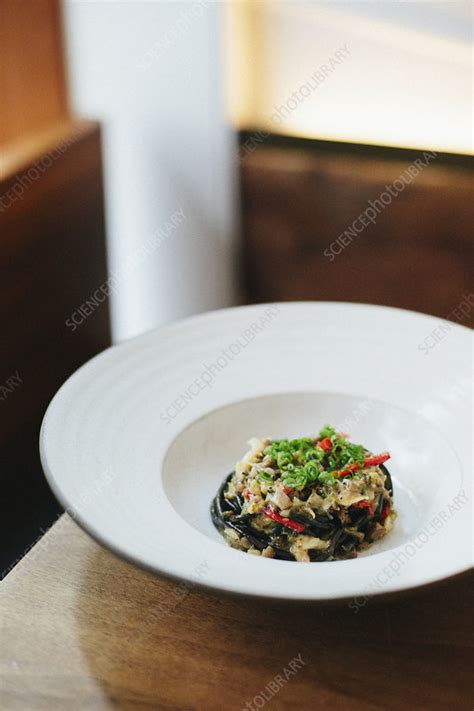
The Power of Visual Appeal: Why Garnish Matters
Our brains are wired to ‘eat with our eyes’ first. A beautifully presented dish not only looks more appetizing but can also make the food taste better by setting a positive expectation. Garnishing isn’t just about aesthetics; it’s about adding contrast in color, texture, and height, providing freshness, and often, an extra layer of flavor that complements the main components.
The good news is that you don’t need complex ingredients or advanced skills. Many effective garnishes are already in your pantry or fridge, ready to be utilized with minimal effort.
Savory Sensations: Effortless Garnishes for Main Courses
Fresh Herbs: The Unsung Heroes
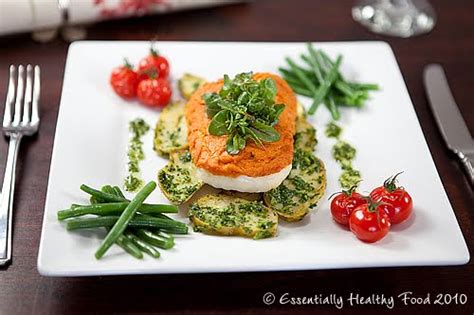
Chopped fresh herbs like parsley, cilantro, chives, or dill are perhaps the easiest and most impactful garnishes. A quick sprinkle over soups, roasted vegetables, pasta, or grilled meats adds a vibrant pop of green, a burst of fresh aroma, and a subtle flavor enhancement. For a more elegant touch, use a small sprig of rosemary, thyme, or oregano.
Citrus Zest and Slices: Brightening Every Plate
A finely grated zest of lemon or lime provides a fantastic aromatic lift and a bright color contrast to fish, chicken, salads, and even desserts. Thin slices or wedges of citrus also work wonders, offering both visual appeal and a squeeze of fresh juice. Think a lemon slice with salmon or a lime wedge with tacos.
Toasted Nuts and Seeds: Adding Texture and Crunch
A scattering of toasted pine nuts, sesame seeds, almonds, or pumpkin seeds instantly adds an appealing crunch and depth of flavor. These are perfect for salads, stir-fries, noodle dishes, and even creamy soups, providing a textural counterpoint that excites the palate.
Drizzles and Swirls: Finishing Touches
A swirl of good olive oil, a drizzle of balsamic glaze, or a dotting of flavored aioli can dramatically transform the look of a dish. These liquid garnishes create beautiful patterns and add richness. Consider a few drops of chili oil on an Asian-inspired dish or a basil oil drizzle on a Caprese salad.
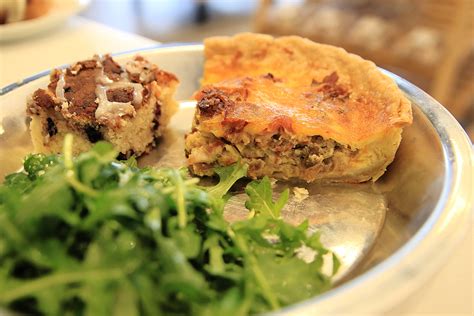
Sweet Delights: Simple Garnishes for Desserts
Dusting and Drizzling: Classic Elegance
A light dusting of powdered sugar over berries, cakes, or pancakes, or a sprinkle of cocoa powder over tiramisu or hot chocolate, creates an instant elegant finish. For a more decadent touch, a chocolate drizzle, caramel sauce, or fruit coulis can transform a plain dessert into a work of art.
Fresh Fruit and Berries: Nature’s Candy
Colorful berries (strawberries, blueberries, raspberries) or thinly sliced fruits (kiwi, mango, orange) are fantastic dessert garnishes. Their vibrant hues and fresh taste beautifully complement anything from cheesecakes to puddings, adding a refreshing contrast.
Mint Leaves and Edible Flowers: Botanical Beauty
A single fresh mint leaf can make a significant difference to a fruit salad, chocolate dessert, or a scoop of ice cream. Similarly, edible flowers (like violas or pansies) add a touch of delicate beauty and sophistication, making any sweet treat feel gourmet.
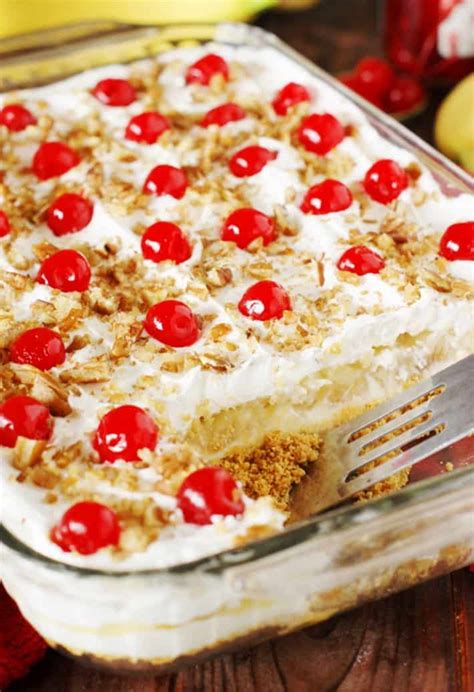
Tools of the Trade: Your Garnish Arsenal
You don’t need fancy equipment to be a garnishing pro. A sharp chef’s knife for fine chopping, a vegetable peeler for ribbons, a microplane or zester for citrus, and maybe a small sieve for dusting are often all you need. Simple squeeze bottles can also help create precise drizzles.
The key is to think about contrast: contrast in color, contrast in texture, and contrast in height. Don’t overcrowd the plate, and always ensure your garnish is edible and complements the dish’s flavors.

Bringing It All Together: Practice Makes Perfect
Garnishing is a skill that improves with practice. Start with simple techniques and ingredients you love. Observe how professional chefs and food stylists present their dishes for inspiration. Remember, the goal is to enhance, not distract. A few thoughtful touches can transform your everyday cooking into visually stunning presentations, delighting both your palate and your guests’ eyes.