How can dynamic Visual Bites reduce scroll-fatigue in foodie recipe feeds?

The Endless Scroll: A Recipe for Fatigue
In the vibrant world of online foodie communities, recipe feeds are a cornerstone of inspiration and culinary exploration. However, as users scroll through an ever-expanding stream of static images and lengthy text descriptions, a pervasive problem emerges: scroll-fatigue. This phenomenon, characterized by mental exhaustion and disengagement, often leads to users abandoning their browsing sessions before finding truly compelling content. The traditional feed format, with its repetitive visual patterns and information density, struggles to hold attention in a fast-paced digital environment.
The challenge lies in capturing and sustaining user interest beyond the initial glance. While high-quality photography has been the gold standard, its static nature can become monotonous. Users crave more dynamic and immediate forms of information that not only showcase the final dish but also convey the experience, texture, and process in a digestible format.
Introducing Dynamic Visual Bites: A Fresh Approach
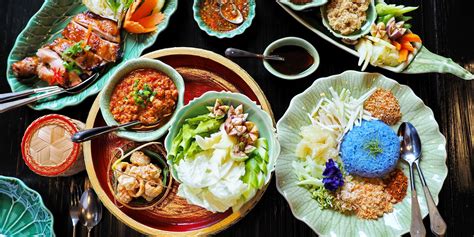
Enter dynamic Visual Bites—short, engaging, and often interactive visual elements designed to break the monotony and deliver information effectively. Unlike static images, Visual Bites leverage motion, sound (optional), and interactivity to tell a more compelling story in a fraction of the time. These can range from quick animated GIFs showing a key cooking technique, to short video clips highlighting a dish’s texture, or even interactive graphics illustrating ingredient substitutions.
The power of Visual Bites lies in their ability to provide “snackable” content that minimizes cognitive load while maximizing engagement. By presenting information in a more immediate and stimulating way, they transform passive scrolling into an active and enjoyable discovery process.
How Dynamic Visual Bites Combat Fatigue
- Breaks Monotony: Introducing movement and variety to a feed dominated by static images instantly revitalizes the user experience. A well-placed animation or short video acts as a refreshing visual punctuation mark.
- Accelerated Information Absorption: Humans process visuals far faster than text. Dynamic Visual Bites can convey complex steps or the appeal of a dish (e.g., a sizzling pan, a melting cheese pull) in seconds, making the information more accessible and memorable.
- Enhanced Engagement and Delight: Unexpected motion or interactivity can surprise and delight users, encouraging them to pause, interact, and delve deeper into a recipe. This positive emotional response fosters a stronger connection with the content.

- Improved Discovery: By quickly demonstrating key aspects of a recipe—such as difficulty level, unique ingredients, or a signature technique—Visual Bites help users rapidly assess relevance, reducing the time spent on recipes that aren’t a good fit.
- Contextual Storytelling: A short video of dough being kneaded or sauce simmering tells a richer story than a still photo, providing valuable context that static images often lack.
Types of Dynamic Visual Bites for Recipe Feeds
The application of dynamic Visual Bites is incredibly versatile:
- Short Video Clips: Ideal for demonstrating quick steps (e.g., chopping, mixing, folding), showing off texture (e.g., gooey, crispy), or the plating process. Think 5-15 second bursts of action.
- Animated GIFs: Perfect for looping demonstrations of a single technique, showcasing a ‘before and after,’ or highlighting the visual appeal of a bubbling sauce or rising bread.
- Interactive Infographics: Simple, clickable elements that reveal ingredient quantities for different serving sizes, or offer quick tips when tapped.
- Stop-Motion Animations: Can creatively illustrate ingredient transformations or the assembly of a complex dish in an engaging, whimsical manner.

Implementing Visual Bites: Best Practices and Considerations
While the benefits are clear, effective implementation is key. Visual Bites should be:
- Concise: Keep them short and to the point to maintain their “bite-sized” appeal.
- High Quality: Poor resolution or jumpy visuals will deter rather than engage.
- Relevant: Ensure the dynamic element adds value and directly relates to the recipe. Avoid gratuitous animations.
- Accessible: Consider users with varying bandwidths and provide alternatives (e.g., captions for videos without sound, static image fallbacks).
Platforms can also integrate A/B testing to understand which types of Visual Bites resonate most with their audience, further refining the user experience and maximizing engagement.
The Future of Foodie Feeds
Dynamic Visual Bites represent a significant evolution in online content delivery for the culinary world. By actively addressing the pervasive issue of scroll-fatigue, they promise a more engaging, informative, and ultimately more satisfying user experience. As technology advances and content creation tools become more accessible, we can expect to see an even greater proliferation of these innovative visual elements, transforming how we discover, learn, and interact with recipes online. The era of the static recipe feed is slowly giving way to a dynamic, immersive culinary journey.