How can I adapt a family recipe to be vibrant and visually appealing?

Bringing Your Family Recipes to Life with Visual Flair
Family recipes hold a special place in our hearts, rich with history and flavor. While their taste is often unparalleled, sometimes their visual presentation can be a little, shall we say, rustic. But who says comfort food can’t also be a feast for the eyes? With a few simple tweaks and a creative eye, you can elevate your grandmother’s famous stew or your dad’s classic casserole into a vibrant, visually appealing masterpiece without sacrificing an ounce of its beloved flavor.

Embrace the Power of Color
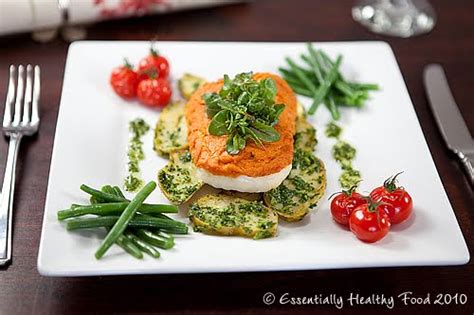
Color is perhaps the most immediate way to make a dish pop. Many traditional recipes, while delicious, can lean towards monochromatic beige or brown. Introduce a spectrum of colors through fresh ingredients. For instance, if you’re making a hearty meat-and-potatoes dish, consider adding:
- Bright Herbs: Fresh parsley, cilantro, dill, or chives chopped finely and sprinkled just before serving add an instant burst of green.
- Vibrant Vegetables: Roast red bell peppers, cherry tomatoes, steamed green beans, or purple cabbage as colorful sides, or incorporate them directly into the dish where appropriate.
- Citrus Zest: A grating of lemon or lime zest not only adds a tangy aroma but also tiny flecks of bright yellow or green.
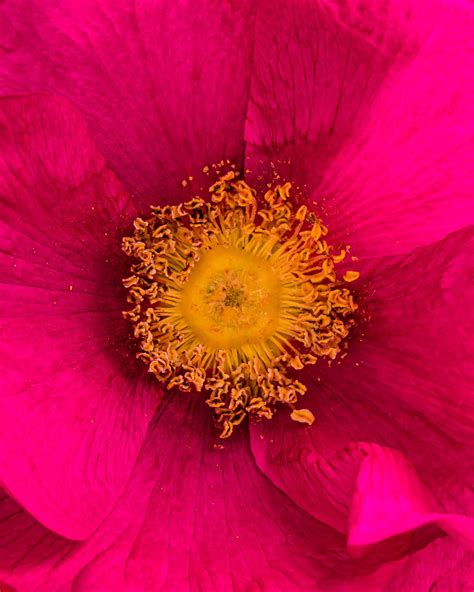
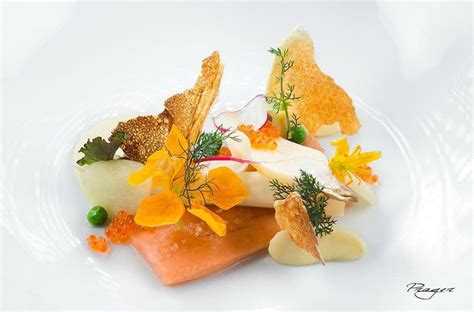
- Edible Flowers: For a truly gourmet touch, a few edible flowers can add unexpected elegance.
Focus on Texture and Contrast
Beyond color, texture plays a crucial role in visual appeal and makes eating more interesting. A plate full of soft, uniformly textured food can look less enticing. Think about adding elements that provide contrast:
- Crispy Elements: Toasted nuts, croutons, fried onions, or even a sprinkle of toasted breadcrumbs can add a delightful crunch and visual interest.
- Creamy vs. Crunchy: If your dish is creamy, add something crispy. If it’s mostly soft, introduce some firmer components.
- Sauces and Drizzles: A swirl of crème fraîche, a zigzag of balsamic glaze, or a drizzle of pesto can introduce a new texture and elevate the presentation.
Master the Art of Garnish
Garnishes are not just for fancy restaurants; they are essential for adding that final touch of visual polish. A well-chosen garnish can tie a dish together and make it look complete.
- Fresh Herbs: As mentioned, a sprig of rosemary, a few basil leaves, or a generous sprinkle of chopped chives are simple yet effective.
- Citrus Wedges/Slices: A lemon wedge or an orange slice can add both color and context to many dishes.
- Spice Dusting: A light dusting of paprika, smoked paprika, or chili powder can add a subtle hue and depth.
- Seeds: Toasted sesame seeds, poppy seeds, or even chia seeds can add a delicate textural and visual element.
Thoughtful Plating and Arrangement
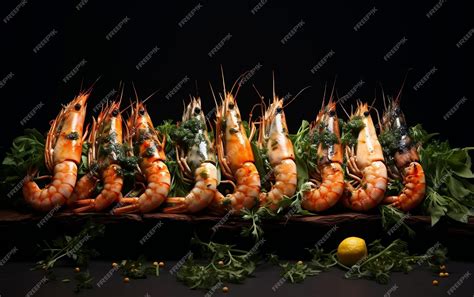
How you arrange food on the plate is just as important as the food itself. Even the simplest ingredients can look gourmet with thoughtful plating.
- The Rule of Odds: When arranging components, grouping in odd numbers (e.g., 3 scallops, 5 asparagus spears) often looks more natural and appealing.
- Create Height: Don’t spread everything flat. Stack components, lean things against each other, or use molds to build up a dish.
- Clean Edges: Use a clean cloth to wipe any drips or smudges from the rim of the plate before serving. A clean plate elevates the entire presentation.
- Negative Space: Don’t overcrowd the plate. Leave some empty space to allow the food to breathe and highlight its features.
Consider Your Servingware and Lighting
The vessel and environment in which a dish is served significantly impact its visual appeal.
- Plates and Bowls: Choose plates that complement your food. White plates are often preferred as they make colors pop, but rustic stoneware or vibrant ceramics can also be stunning for certain dishes.
- Portion Control: Serve appropriate portion sizes. An overfilled plate looks messy, while a perfectly portioned dish looks refined.
- Good Lighting: If you’re photographing your food, natural light is always best. Avoid harsh overhead lights, which can cast unflattering shadows.

Conclusion
Adapting a family recipe to be visually appealing isn’t about changing its essence, but enhancing its presentation. By consciously adding color, introducing contrasting textures, utilizing simple garnishes, and plating with care, you can honor the tradition of your family’s cooking while making it irresistible to the eye. So go ahead, experiment, and turn those beloved, comforting dishes into culinary works of art that taste as good as they look!