How can I elevate everyday recipes with plating techniques for magazine-worthy visuals?
The Art of Plating: Turning Everyday Meals into Visual Feasts
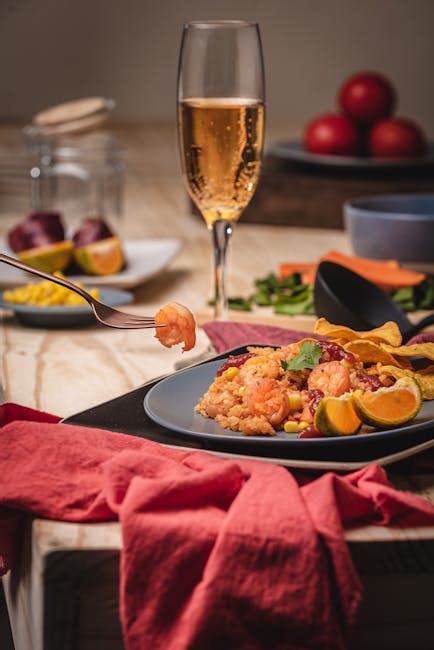
You’ve mastered the recipe, the flavors are perfect, but does your dish truly pop? Elevating everyday recipes from delicious to dazzling often comes down to one crucial element: plating. Professional chefs understand that we eat first with our eyes. By applying a few simple techniques, you can transform your home-cooked meals into magazine-worthy visuals, delighting both your palate and your guests.
Foundational Principles of Stunning Plating
Before diving into specific techniques, let’s grasp the core principles that underpin beautiful food presentation:
- Color: Aim for a vibrant palette. Think about contrasts (e.g., bright green herbs on a rich red sauce) and harmony.
- Texture: A visually interesting dish offers a variety of textures – crispy, creamy, smooth, chunky. This isn’t just for the mouthfeel; it adds visual depth.
- Height and Dimension: Flat food looks uninspired. Building elements upwards adds drama and sophistication.
- Negative Space: Don’t overcrowd the plate. Allowing some blank space helps the main components stand out and gives the eye a place to rest.
- Focal Point: Every dish should have a star. Arrange elements to guide the viewer’s eye to the most important ingredient.
Choosing the Right Canvas: Your Plateware
The vessel itself plays a significant role. Opt for simple, solid-colored plates (often white or off-white) that allow your food to be the star. Consider the shape – round plates are classic, but square or rectangular dishes can offer modern appeal. A wider rim provides more negative space. Use bowls for dishes with sauces or liquid components.

Practical Techniques for Elevated Presentation
1. Think in Odd Numbers and Asymmetry
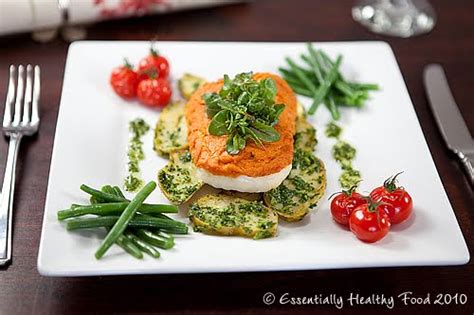
Rather than perfectly symmetrical arrangements, which can feel stiff, aim for odd numbers of elements (e.g., 3 scallops, 5 asparagus spears) and asymmetrical layouts. This creates a more dynamic and natural look, guiding the eye across the plate.
2. Build Height and Dimension
Avoid spreading ingredients flat. Think vertically! Stack components (e.g., mashed potatoes under a protein, layered vegetables), lean elements against each other, or use ring molds to create neat towers. This adds elegance and a professional touch.

3. Master the Art of Saucing
Sauces can be a powerful plating tool. Instead of pouring sauce haphazardly over the entire dish, consider:
- Swipes and Streaks: Use the back of a spoon to create an elegant swipe or a precise line.
- Drizzles and Dots: A controlled drizzle or carefully placed dots of sauce can add visual interest and flavor accents without overwhelming the plate.
- Underneath: Placing a small pool of sauce under your main component can anchor it and add a pop of color.
4. Garnishes: The Finishing Touch
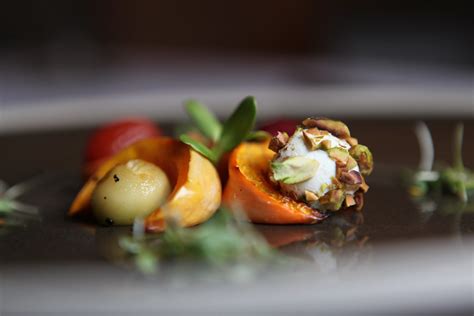
Garnishes aren’t just for flavor; they’re essential for visual appeal. Choose garnishes that relate to the dish’s ingredients or provide a fresh contrast.
- Fresh Herbs: A sprig of parsley, dill, or cilantro adds immediate freshness and color.
- Citrus Zest/Wedges: Brightens both the look and the taste.
- Toasted Nuts/Seeds: Adds texture and a rustic touch.
- Microgreens: Offer delicate height and vibrant color.
Remember, less is often more with garnishes. A single, well-placed sprig is better than an overloaded plate.
5. Precision and Cleanliness
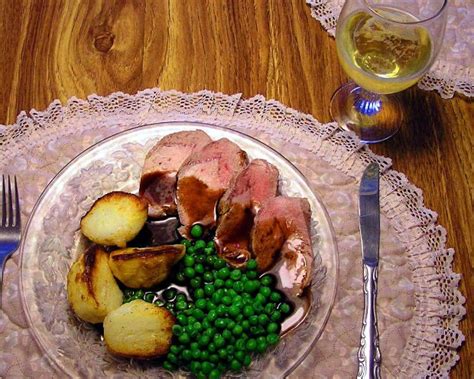
Even the most artfully arranged dish loses its allure if the plate is messy. Use a clean cloth or paper towel to wipe away any drips, smudges, or errant crumbs from the rim of the plate before serving. A pristine presentation speaks volumes about your attention to detail.
Putting It All Together: Practice Makes Perfect
Transforming your plating skills doesn’t happen overnight. Start by applying one or two techniques to a simple dish, like pasta, a salad, or grilled chicken. Experiment with different arrangements, sauce applications, and garnishes. Take photos of your creations to see what works and what doesn’t. With practice, you’ll develop an eye for aesthetics and confidence in making every meal a visual delight.
Embrace the journey of turning everyday cooking into an artistic expression. Your taste buds, and your guests, will thank you for it!