How can I ensure my cooked vegetables retain vibrant color and crisp texture?

The Science Behind Vibrant Veggies
Transforming ordinary vegetables into culinary delights that are both visually appealing and texturally satisfying is a goal for many home cooks. Often, the challenge lies in preventing them from turning dull, olive-green, or becoming unappetizingly soft. The good news is that with a few key techniques, you can consistently achieve bright, crisp vegetables that elevate any meal.
The secret lies in understanding how heat affects vegetable cells and pigments. Overcooking breaks down cell walls and chlorophyll, leading to nutrient loss and undesirable changes in color and texture. Our aim is to cook them just enough to be tender-crisp, preserving their natural beauty and nutritional value.
Mastering Preparation: The First Step to Success
Proper preparation is fundamental. Start by thoroughly washing your vegetables to remove any dirt or impurities. Consistency in cutting is also crucial; uniform pieces will cook at the same rate, preventing some from being overcooked while others remain raw. For example, broccoli florets should be roughly the same size, and carrot sticks should have similar thickness.
The Power of Blanching and Shocking
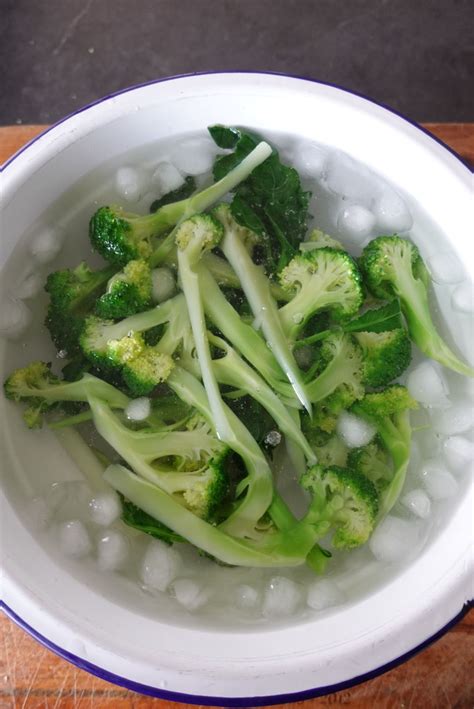
One of the most effective techniques for preserving color and texture, especially for green vegetables like broccoli, green beans, or asparagus, is blanching and shocking. Blanching involves briefly cooking vegetables in boiling salted water for a very short period (30 seconds to 2 minutes), followed immediately by plunging them into an ice bath.
- Blanching: This rapid high heat sets the color, brightens the chlorophyll, and partially cooks the vegetables, bringing out their natural sweetness while maintaining a slight crispness. The salt in the water also helps to firm up the cell walls.
- Shocking (Ice Bath): The immediate transfer to an ice bath halts the cooking process completely, preventing overcooking and preserving that vibrant color and crisp texture. It’s like pressing a “pause” button on their transformation.
Optimal Cooking Methods for Crispness
Beyond blanching, the chosen cooking method significantly impacts the final outcome. The general rule is high heat and short cooking times for most vegetables to maintain their crispness.
Sautéing and Stir-Frying
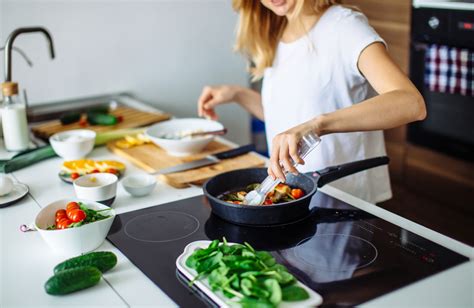
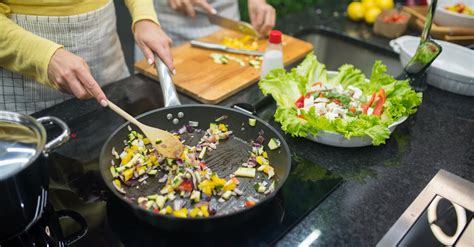
These methods are excellent for quick-cooking vegetables. Use a hot pan or wok with a small amount of oil. Don’t overcrowd the pan; this lowers the temperature and steams the vegetables instead of searing them, leading to a limp result. Cook in batches if necessary, tossing frequently until just tender-crisp.

Roasting
High-temperature roasting (e.g., 400-425°F / 200-220°C) caramelizes the natural sugars in vegetables, giving them a delicious flavor and slightly crispy edges. Ensure vegetables are spread in a single layer on a baking sheet to allow for even cooking and browning, rather than steaming.
Steaming
While steaming is a healthy cooking method, it requires careful timing to avoid limp vegetables. Steam until just fork-tender. A quick blast of high steam followed by immediate removal from heat is key.
Understanding pH and Pigments
The acidity or alkalinity of your cooking environment can drastically affect vegetable color. For green vegetables, chlorophyll is sensitive to acids. Cooking green vegetables with acidic ingredients (like lemon juice or vinegar) for too long can turn them an unappetizing olive-brown. Conversely, too much alkalinity (like baking soda) can make them mushy and dull. The best practice is to add acids towards the end of cooking, if at all, to preserve their bright green.
Finishing Touches: Timing and Serving
Even after proper cooking, how you handle your vegetables immediately afterward matters. If not serving immediately, ensure they are cooled quickly (e.g., by spreading them on a sheet pan to allow steam to escape) to prevent residual heat from continuing the cooking process. For ultimate crispness and color, serve cooked vegetables as soon as possible after they’ve reached the desired doneness. A sprinkle of flaky sea salt or a drizzle of good olive oil just before serving can enhance both flavor and appearance.
Conclusion
Achieving vibrant, crisp cooked vegetables is not just about following a recipe; it’s about understanding the principles of heat, timing, and proper technique. By focusing on consistent preparation, utilizing blanching and shocking, choosing appropriate cooking methods, and paying attention to finishing touches, you can consistently elevate your vegetable dishes from mundane to magnificent, ensuring they are always a feast for both the eyes and the palate.