How can Visual Bites authentically convey a dish’s texture and taste to Real Foodies?

In an increasingly visual world, where social media platforms serve as virtual dining tables, the challenge for creators and restaurateurs is to transcend mere aesthetics. For “Real Foodies” – those who truly appreciate the nuances of culinary art – a picture isn’t just worth a thousand words; it needs to be worth a thousand sensations. How then, do we move beyond pretty pictures to genuinely convey the crisp bite of a perfectly fried onion, the silky richness of a béchamel, or the tangy burst of a fresh berry?
The Sensory Gap: Bridging the Visual-Taste Divide
The human palate is a complex instrument, interpreting flavors, textures, temperatures, and aromas in concert. A photograph, by its nature, is limited to two dimensions and static imagery. This creates a significant sensory gap. Without the ability to smell, touch, or taste, the visual bite must work harder to activate the viewer’s imagination, drawing upon their past experiences and culinary knowledge to fill in the missing sensory information. The goal is not just to show what a dish looks like, but what it feels and tastes like.
Authenticity is key. Real Foodies are discerning; they can spot a heavily processed or over-styled image from a mile away. They crave genuine representation, images that promise a true-to-life culinary experience rather than an idealized, unattainable fantasy. This requires a deeper understanding of food photography principles, focusing on details that evoke sensory responses.

Mastering Light to Reveal Texture and Depth
Light is the painter’s brush in food photography, and its mastery is crucial for conveying texture. Flat, direct light can render a dish lifeless, obscuring the very details that define its mouthfeel. Instead, photographers should aim for directional light sources – side lighting or backlighting – to create shadows and highlights that accentuate ridges, curves, and contours.
- Side Lighting: Emphasizes the rough or smooth surfaces of ingredients, making a crust look crusty and a sauce look glossy.
- Backlighting: Excellent for revealing translucency (e.g., thinly sliced fruit, gelatin) and creating an inviting glow around steam or condensation, hinting at warmth or freshness.
- Diffused Light: Softens harsh shadows and creates a more even, natural look, crucial for delicate textures like soufflés or custards.
By carefully controlling light, photographers can create a sense of three-dimensionality, allowing the viewer’s eye to travel across the dish and perceive its tactile qualities before it even reaches their plate.
Composition and Detail: Cues for Taste Perception
Beyond lighting, composition plays a vital role in communicating taste and texture. Real Foodies look for visual cues that tell a story about the preparation, ingredients, and potential flavors. This often means focusing on the “money shot” – the angle or detail that best encapsulates the dish’s essence.
Close-ups and Macro Shots: These are indispensable for highlighting intricate textures. A close-up of a flaky croissant can convey its buttery crispness, while a tight shot of glistening caramel can suggest its stickiness and sweetness. Depth of field should be used thoughtfully, blurring distracting backgrounds to keep the focus sharply on the key textural element.
Ingredient Showcase: Incorporating raw or key ingredients strategically within the frame can give context to the flavors. A sprig of fresh herbs, a scattering of sea salt, or a drizzle of olive oil doesn’t just add visual appeal; it hints at the aromatic profile and freshness of the dish.

The Art of Authentic Styling and Plating
Food styling for Real Foodies is about enhancing, not artifice. Over-styling can strip a dish of its authenticity, making it look untouchable or inedible. The goal is to make the food look approachable, delicious, and utterly real. Plating should be thoughtful, showcasing the dish’s best features without appearing overly constructed.
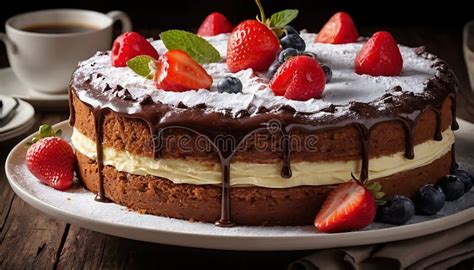
- Embrace Imperfection: A natural crumb, a slightly irregular drizzle, or a perfectly placed drip can add character and a handcrafted feel that resonates with those who appreciate genuine culinary effort.
- Highlight Freshness: Vibrant, natural colors, crisp garnishes, and a hint of condensation on a cold drink all signal freshness and quality.
- Consider the “Doneness”: How a protein is cooked (e.g., the pink center of a medium-rare steak, the perfectly roasted skin of a chicken) is a critical texture and taste indicator. Capture this precisely.
Beyond Static Shots: Capturing the Experience
While still photography is powerful, incorporating dynamic elements can further enhance the sensory experience. For digital platforms, even short video clips or sequential images can work wonders.
Movement and Action Shots: A fork piercing a soft cake, a sprinkle of herbs falling, steam rising from a hot dish, or a sauce being poured can bring a still image to life. These moments inherently convey texture (softness, crispness) and temperature, engaging the viewer more deeply.
Contextual Elements: Including a human hand reaching for a piece, a knife cutting into a crust, or the blurred background of a bustling kitchen or dining setting can add a layer of narrative and make the dish feel more tangible and part of a larger experience. This helps Real Foodies envision themselves enjoying the meal.

Conclusion: The Recipe for Visual Success
Authentically conveying a dish’s texture and taste through Visual Bites is an art form that demands more than just technical proficiency. It requires empathy for the diner, an understanding of culinary nuances, and a commitment to genuine storytelling. By mastering directional lighting, focusing on evocative details in composition, embracing authentic styling, and incorporating dynamic elements, creators can transcend the two-dimensional barrier. They can transform a mere photograph into a sensory promise, a visual invitation that speaks directly to the sophisticated palate of Real Foodies, inspiring not just admiration, but genuine craving.